Delta Cultural Center links Helena history to the broader Arkansas Delta
The Delta Cultural Center is more than one museum: The Depot and The Visitors Center split Helena's story between rail history and the wider Arkansas Delta.
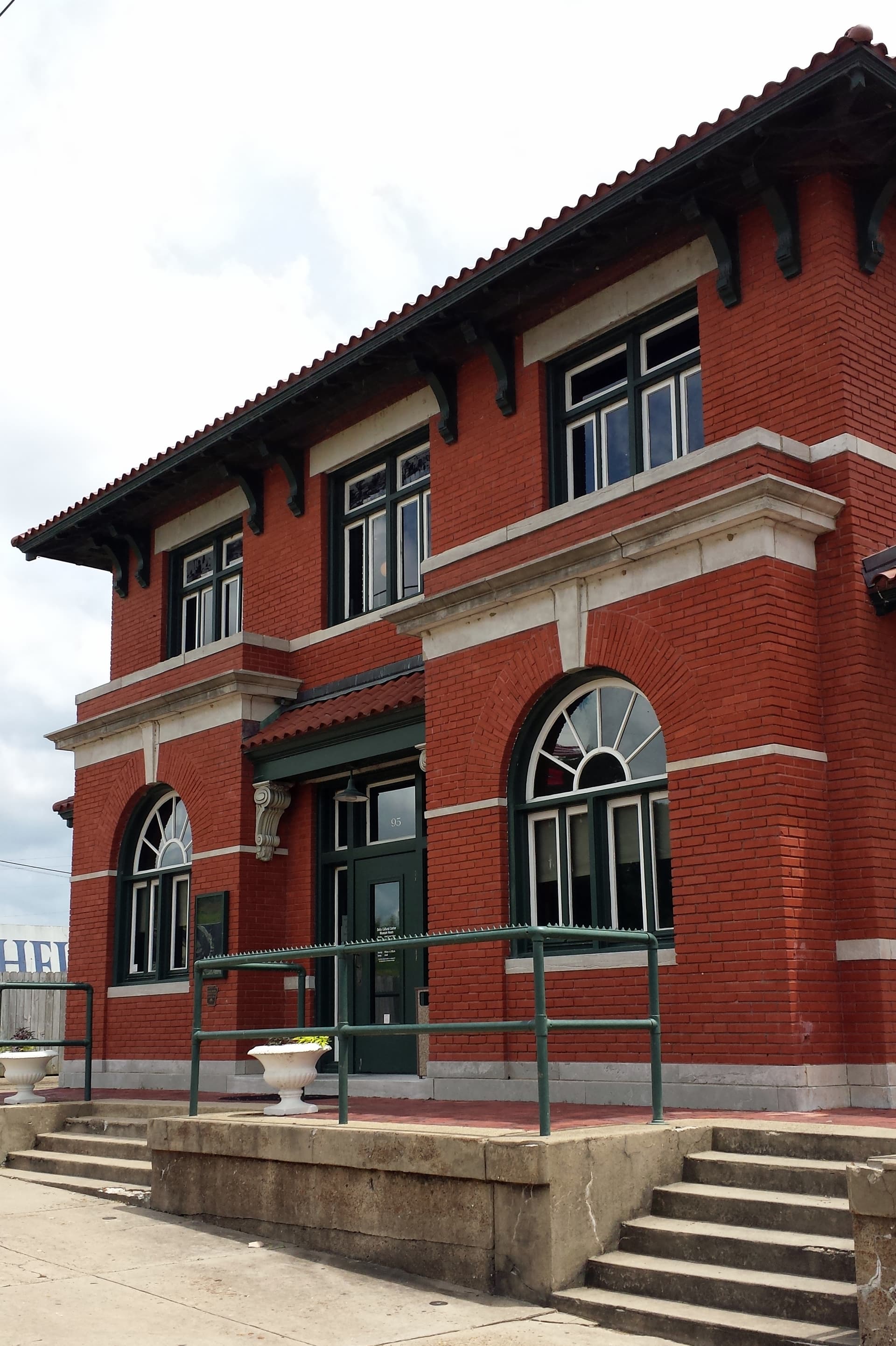
It is easy to think of the Delta Cultural Center as a single museum in downtown Helena-West Helena. In reality, it works as a two-site interpretive complex, and that structure is what lets it tell a story broad enough for Phillips County history, river commerce, rail travel, Civil War memory, and Delta identity all at once.
Two sites, one larger story
The center sits in historic downtown Helena-West Helena, inside a landscape where preservation and tourism overlap with the city’s older commercial core. Arkansas Heritage describes the Delta Cultural Center as a museum of the Arkansas Department of Parks, Heritage, and Tourism, with a mission to preserve, research, document, interpret, and present the heritage of the Arkansas Delta. That mission fits a place that is not a single gallery but a multi-building campus spread across several acres in Helena.
The split between The Depot and The Visitors Center is the key to how the institution works. One site focuses attention on transportation and downtown history, while the other broadens the view to the Arkansas Delta as a region shaped by people, conflict, labor, and cultural change. That is why the center is useful for first-time visitors and longtime residents alike: one building can orient you, but the full campus gives the broader frame.
The Depot and Helena’s railroad identity
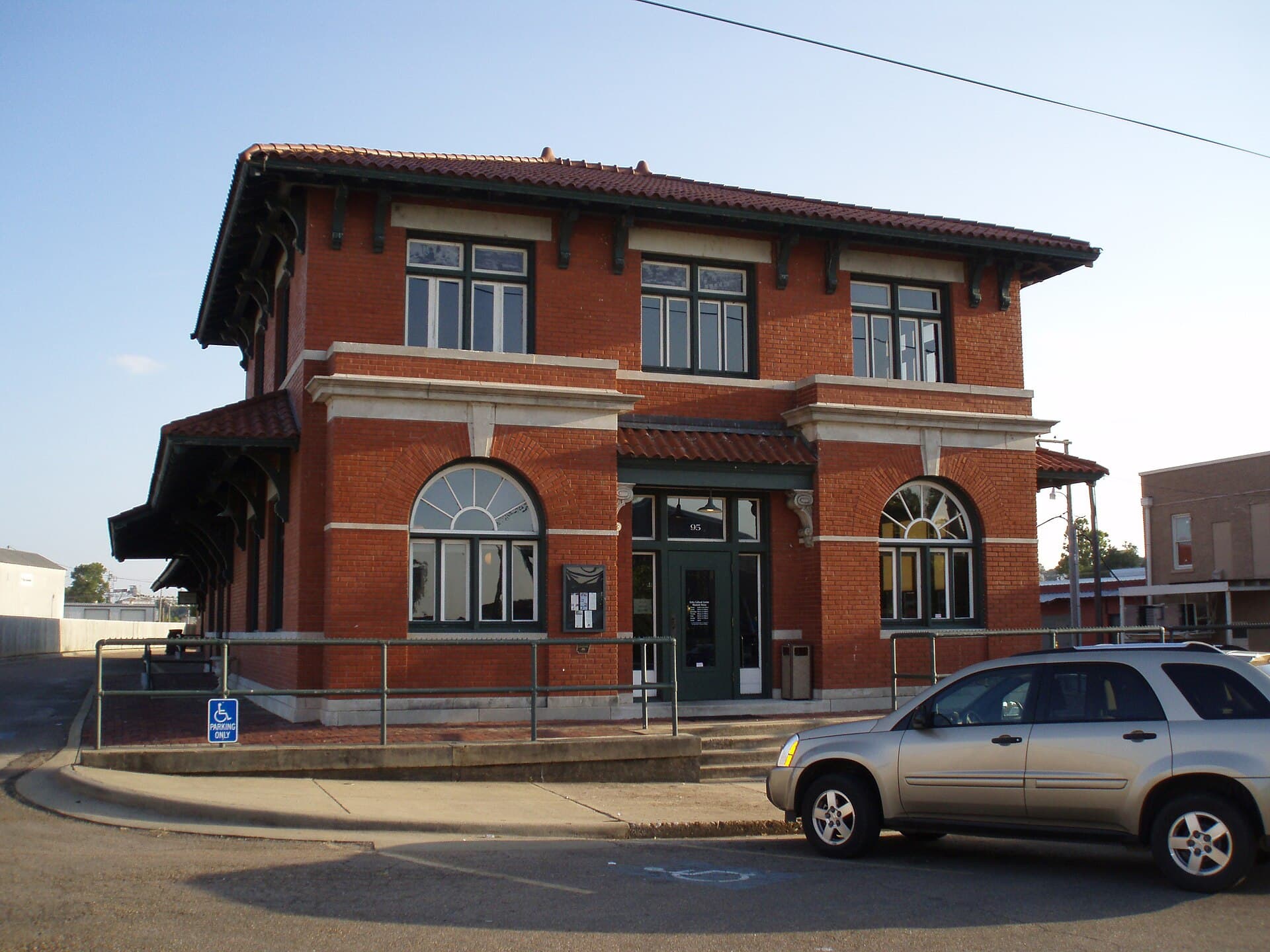
The Depot anchors the center’s connection to Helena’s transportation past. Its main exhibit, “A Heritage of Determination,” traces the story of the Arkansas Delta from prehistoric times to the present, giving the site a wide historical sweep that reaches far beyond one town. The building itself reinforces that approach. The Missouri Pacific Train Depot in Helena was built in 1912, and that date matters because it places the museum inside the city’s railroad era rather than simply using railroads as a theme.
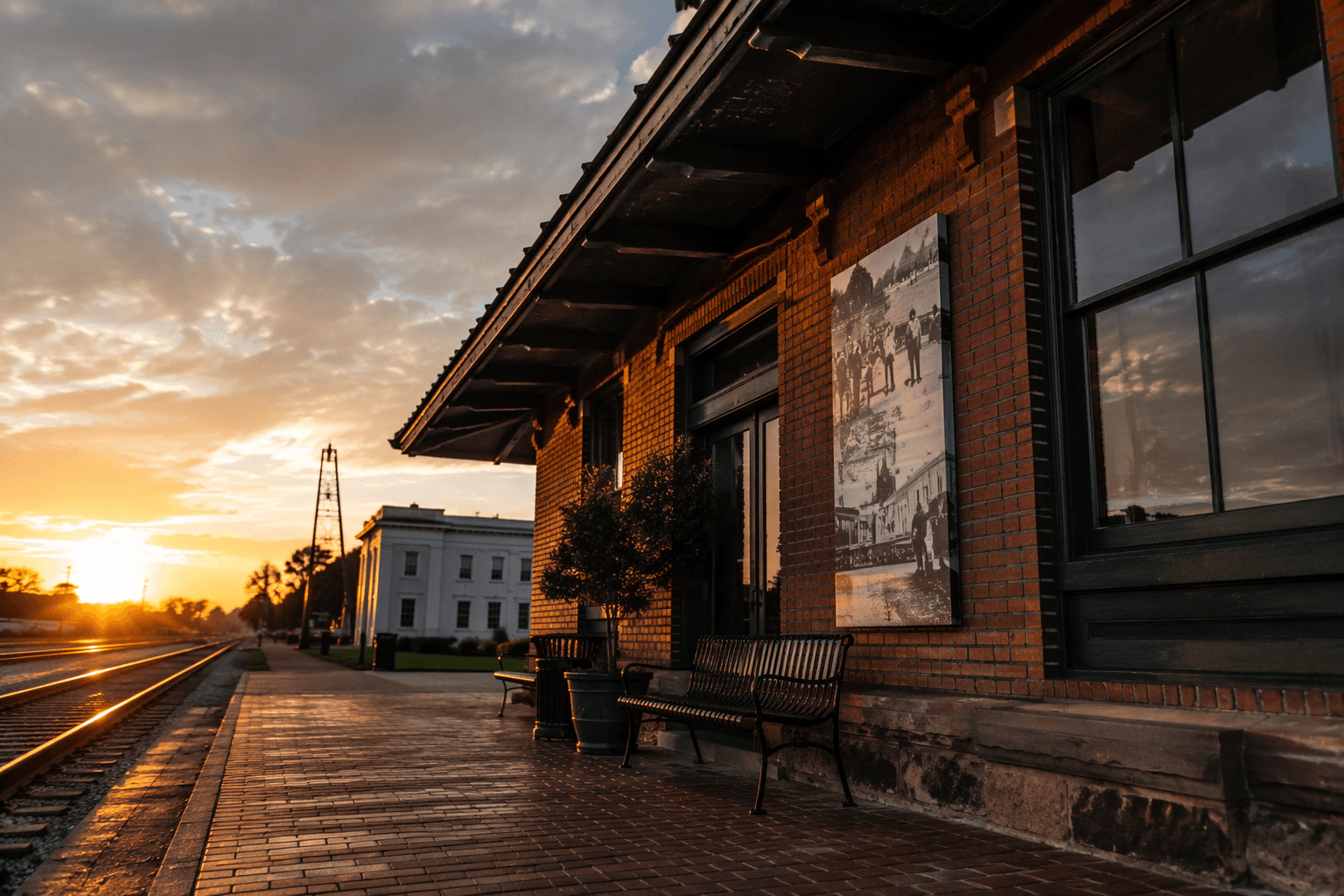
That makes The Depot especially important for understanding historic downtown Helena-West Helena. Rail service shaped how people, goods, and ideas moved through the city, and the preserved depot turns that history into a physical setting instead of a background fact. Visitors who start here get a sense of how Helena functioned as a river town, rail town, and commercial center all at once.
The building also helps explain why the Delta Cultural Center is not just a local-history stop. The same downtown environment that once depended on transportation corridors now serves preservation, interpretation, and tourism. The depot is both exhibit space and artifact, which gives the institution a stronger claim on Helena’s past than a newer building could.
The Visitors Center and the wider Delta
The Visitors Center expands the lens from Helena to the Arkansas Delta as a whole. The Arkansas Department of Finance and Administration’s 2015 report says the center is made up of three connected buildings, two historic commercial buildings and one reconstructed structure. That setup shows the institution’s scale: it is not a single room of displays, but a compound built to hold multiple interpretive layers.
Within that space, the center covers more than local memorabilia. The exhibits include areas dedicated to the Civil War, placing Helena’s wartime history inside the larger regional story. Helena was occupied by Union forces early in the Civil War and later became the site of the Battle of Helena in 1863, so the center sits within a city where military history, emancipation-era change, and memory politics are still part of how the past is understood.
That context matters because the Visitors Center does what a single-site museum cannot. It connects Helena to the broader Arkansas Delta, where conflicts over land, labor, and movement shaped the region over generations. Visitors who stop only for one part of the campus get a partial view; the full site makes clear that Phillips County’s story is not isolated from the rest of the Delta.
Why the split matters for Phillips County
The two-site structure changes what the Delta Cultural Center can explain about Helena-West Helena. The Depot gives the city’s railroad and downtown history a home in a preserved 1912 train depot, while the Visitors Center stretches the story across the Arkansas Delta, including Civil War interpretation and the wider social history of the region. Together, they show how Phillips County sits at the intersection of river commerce, rail transport, and cultural memory.
That broader framing is why the center functions as more than a museum stop. It is used for tours and field trips, which means school groups, local heritage organizations, and regional visitors all encounter the county through the same interpretive framework. Arkansas State Tourism materials and visitor pages also position it as a stop for people exploring Historic Helena and the Great River Road, tying the center to a travel route that already links the Delta’s towns, landscapes, and river history.
The result is a museum campus built for scale. A 2015 state report describes seven facilities and several acres of land in Helena, a detail that captures the institution’s reach better than the word “museum” ever could. Seen as a whole, the Delta Cultural Center gives Phillips County a way to tell one story in two places: The Depot grounds the narrative in Helena’s transportation past, and The Visitors Center opens it onto the broader Delta that shaped the city’s identity.
This article was produced by Prism’s automated news system from verified source data, official records, and press releases, then run through automated quality and moderation checks before publishing. The system is built and supervised by the people who set the standards it runs under. Read our full AI policy.
Did this article answer your question?