Helena Museum links Phillips County history to Arkansas's oldest purpose-built museum
The Helena Museum of Phillips County turns a 1891 library into a civic asset, with Arkansas’s oldest purpose-built museum drawing heritage tourists to downtown Helena.
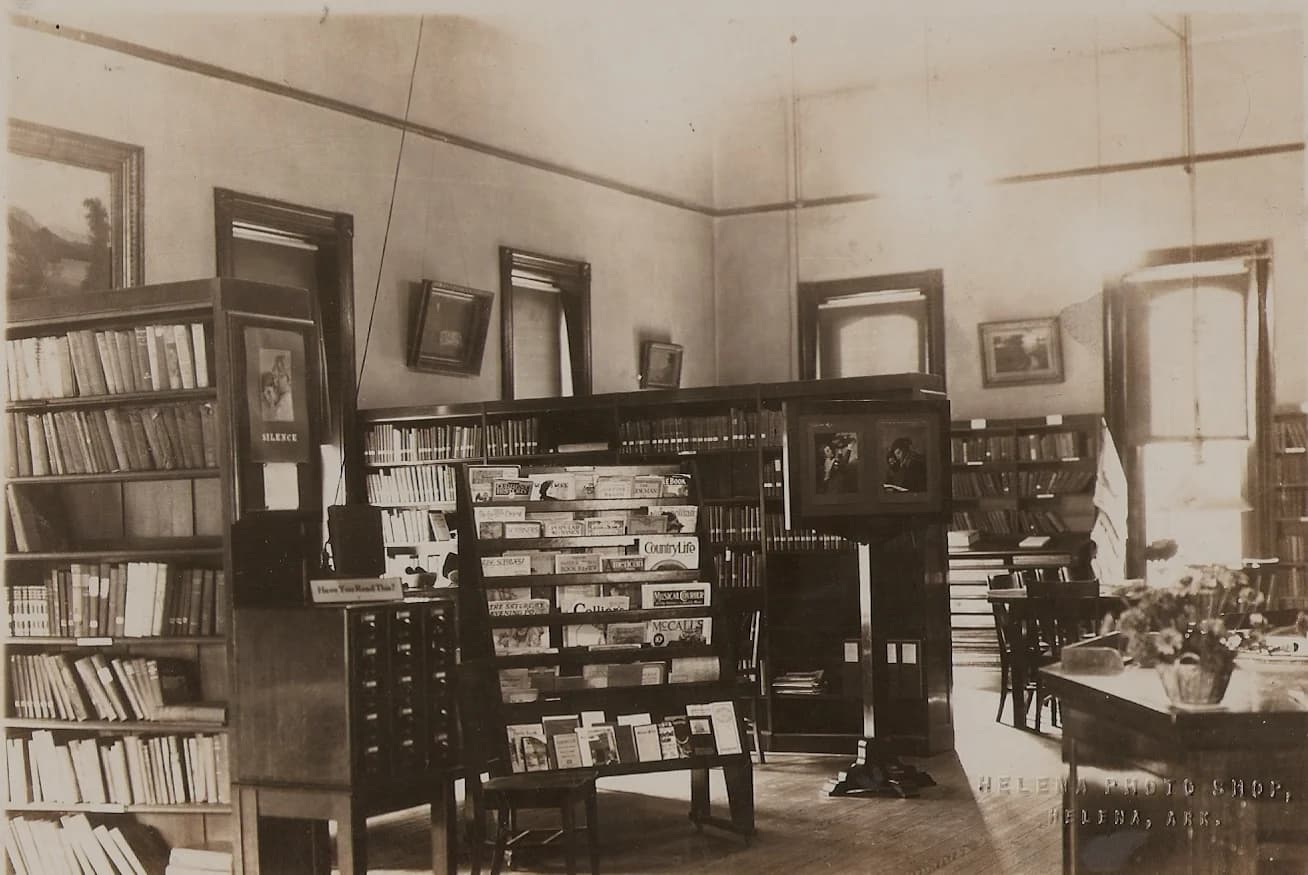
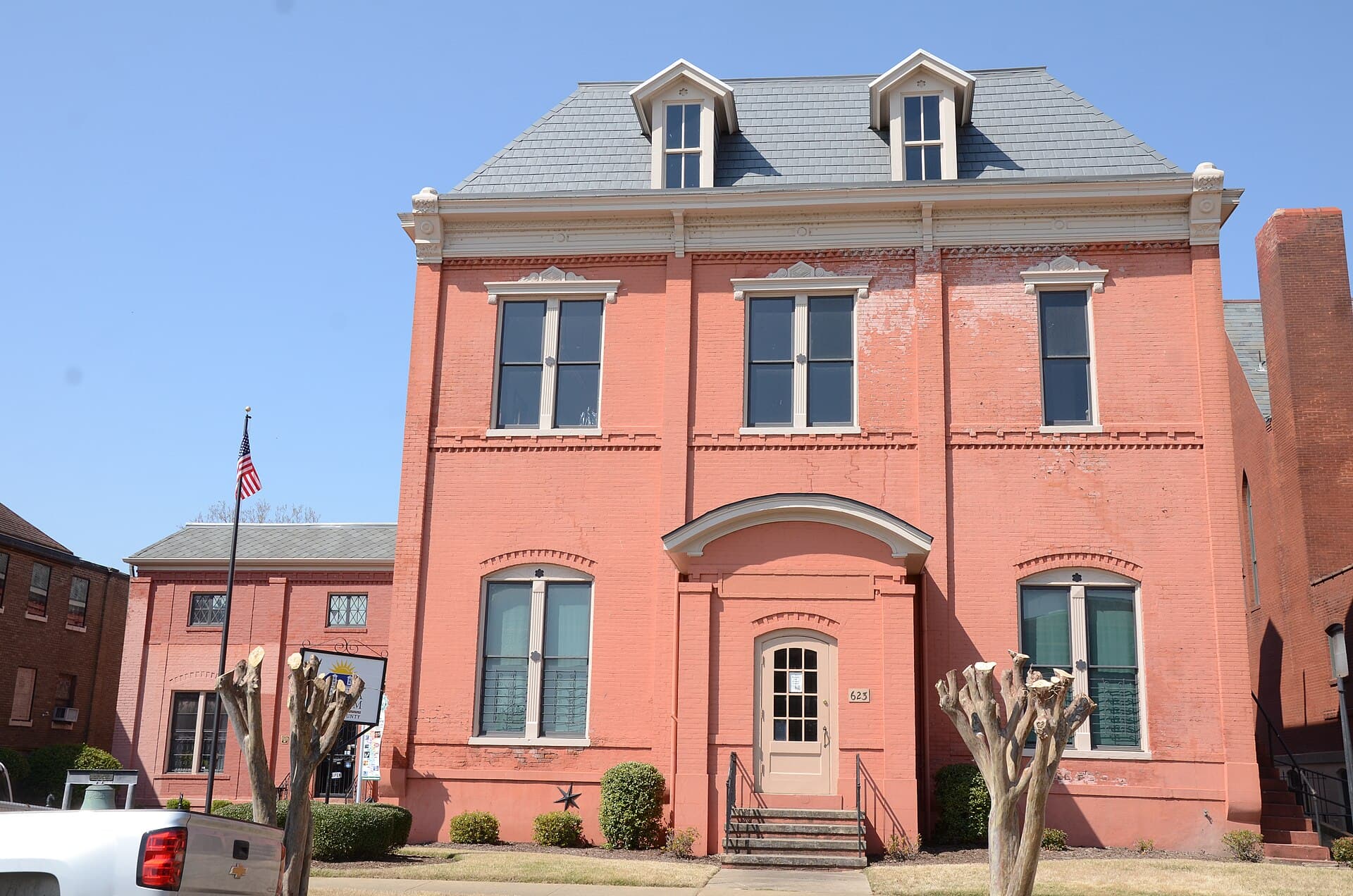
The Helena Museum of Phillips County is one of the few places in Helena where the building itself is the story. Its former library section dates to 1891, making it the oldest public building in Phillips County, and the full complex is recognized as Arkansas’s oldest purpose-built museum.
A building that grew with the county
The museum is not a single frozen moment in time. It is made up of the former Helena Library section, a 1929 addition, and further additions built between 1962 and 1974, a timeline that shows how public space in Phillips County adapted as civic needs changed. The Arkansas State Archives identifies the property as Helena Library and Museum, at 623 Pecan St., and names architect Andrew P. Coolidge as the designer of the 1929 addition.
That layered history matters because it shows how Helena reused a major downtown civic building instead of replacing it. The original 1891 structure still anchors the site, while the later additions allowed the building to stay functional as it shifted from library to museum. In a county where preservation and reuse are tied to local identity, the museum stands as a visible example of how historic infrastructure can remain active rather than becoming a ruin or a plaque.
The property’s formal recognition reinforces that point. It was added to the National Register of Historic Places in 1975, and the National Register nomination form lists it as Historical Library and Museum at 623 Pecan Street in Helena. Those designations place the building in the documented historic fabric of Arkansas, not just the memory of Phillips County residents.
Why 623 Pecan Street still matters
The museum’s address, 623 Pecan Street, places it squarely in downtown Helena, where older civic buildings give the city center its character. That location makes the structure more than a museum destination; it is part of the streetscape that shapes how residents and visitors read Helena-West Helena as a place with a long public history.
The oldest public building in Phillips County is also one of the county’s clearest preservation markers. When a building survives long enough to hold multiple public uses across more than a century, it becomes a practical argument for keeping historic structures in service. That is a civic value with economic consequences, because buildings that stay visible and usable help downtowns retain a sense of place that new construction often cannot replicate.
That same durability also strengthens the case for preservation spending and local stewardship. A building with documented 1891 origins, a named 1929 architect, and later mid-20th-century additions gives Phillips County a rare architectural timeline in one address. For residents, that means the museum is not just about the past, but about maintaining a recognizable core of downtown Helena for the future.

Inside the museum, Phillips County history becomes concrete
The museum’s collections translate broad local history into specific objects. Arkansas Delta Byways says the exhibits include a diorama of the Battle of Helena, Thomas Hindman’s desk, Patrick Cleburne’s prayer book, and other pieces that bring the city’s history into focus. Those artifacts matter because they give visitors tangible entry points into the Civil War era, when Helena sat at the center of events that still shape how the Delta remembers itself.
That kind of presentation also broadens the museum’s reach. The collection is not only for specialists in military history or architecture; it gives families, students, and casual visitors a way to connect names and events to physical objects. The museum’s own framing as a place that tells “the story of the Arkansas Delta” places Phillips County inside a larger regional narrative while still keeping the emphasis on Helena.
The result is a museum that works as both archive and interpreter. The Battle of Helena diorama, Hindman’s desk, and Cleburne’s prayer book make the county’s history legible in a way a textbook page cannot. In a community with deep historical layers, that is a public service as much as a display strategy.
A stop on the Great River Road
The museum’s current value extends beyond preservation. Arkansas Delta Byways identifies it as an official Interpretive Center for the Great River Road National Scenic Byway, which gives the site a role in regional heritage tourism. That designation places the museum in a travel network that already links road-trippers, Delta travelers, and visitors looking for historic stops in eastern Arkansas.
For Phillips County, that matters because tourism here depends on places that can justify a stop, not just a drive-by. A building with a National Register listing, a 1891 core, and a distinct collection of Helena-related artifacts can help draw visitors into downtown instead of sending them straight through on the way to somewhere else. The museum’s location in Helena-West Helena gives the county a heritage anchor that fits naturally into Great River Road itineraries.
The larger payoff is simple: the museum helps turn history into present-day civic value. It preserves one of the county’s oldest public buildings, supports downtown identity at 623 Pecan Street, and gives Phillips County a recognized place in Arkansas’s heritage tourism map. In a county where every enduring landmark matters, the Helena Museum of Phillips County remains one of the clearest reasons to look closely at downtown Helena today.
This article was produced by Prism’s automated news system from verified source data, official records, and press releases, then run through automated quality and moderation checks before publishing. The system is built and supervised by the people who set the standards it runs under. Read our full AI policy.
Did this article answer your question?