King Biscuit Blues Festival anchors Phillips County’s music heritage
King Biscuit still fills downtown Helena with tens of thousands each October, turning blues history into foot traffic, sales, and a living Phillips County identity.
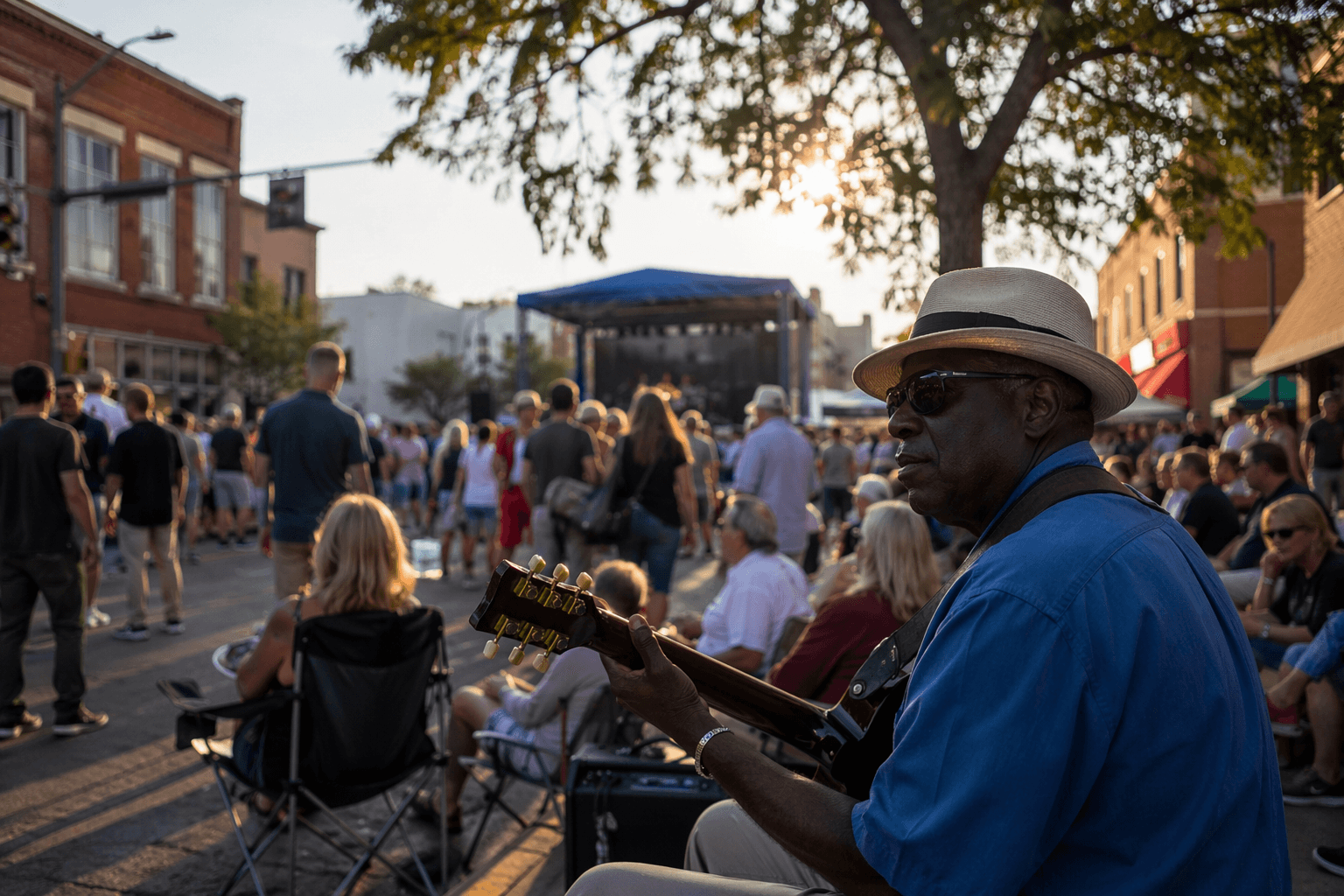
The King Biscuit Blues Festival is more than a weekend of music in Helena. Each October, it pulls tens of thousands into historic downtown Helena, and that crowd gives Phillips County something harder to measure than nostalgia: steady foot traffic, visible storefront activity, and a reason for outsiders to keep looking toward the river town.
What makes the festival endure is that it was never just imported entertainment. It grew out of Helena’s own blues history, out of King Biscuit Time, the radio program that helped make the city famous long before festival stages went up on the streets.
From a lunch-hour radio show to a countywide landmark
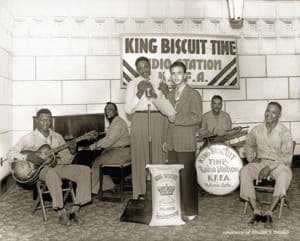
King Biscuit Time first aired on November 21, 1941, on KFFA-AM in Helena. Station manager Sam Anderson helped create it with Sonny Boy Williamson, Robert Lockwood Jr., and sponsor Max Moore of Interstate Grocer Company. The Library of Congress describes the debut as a 15-minute program that went on at 12:15 p.m., aimed squarely at working people listening during the lunch hour.
That detail matters because it explains the logic behind the festival itself. Phillips County’s blues identity was built around a local audience, local radio, and local routines before it became a destination for visitors. King Biscuit Time still broadcasts weekday afternoons from the Delta Cultural Center in downtown Helena-West Helena, keeping that original connection between place and music alive in the center of town.
The program’s reach also stretches beyond Arkansas. The Encyclopedia of Arkansas places it among the longest-running radio shows in history and notes that it featured artists such as Muddy Waters, Jimmy Rogers, Little Walter, James Cotton, and Levon Helm. In 1992, KFFA received a George Peabody Award for its importance in radio and American music, and recordings from King Biscuit Time were later selected for preservation in the National Recording Registry.
Why 1986 changed the downtown story
The King Biscuit Blues Festival began in 1986, when Main Street Helena folded the event into its downtown revitalization effort. That civic origin still shapes the way the festival functions today. It is a cultural celebration, but it is also a practical economic tool that brings attention back to storefronts, sidewalks, and the blocks around downtown Helena.
The festival’s official history says it takes place for three days every October in historic downtown Helena, on the Mississippi River, where tens of thousands of blues fans gather. Later local reporting has described attendance topping 100,000 with as many as seven stages, a sign of how much the event has expanded since its earliest years. However the crowd is counted, the effect is the same: the festival turns a small Delta downtown into one of the region’s busiest public spaces.
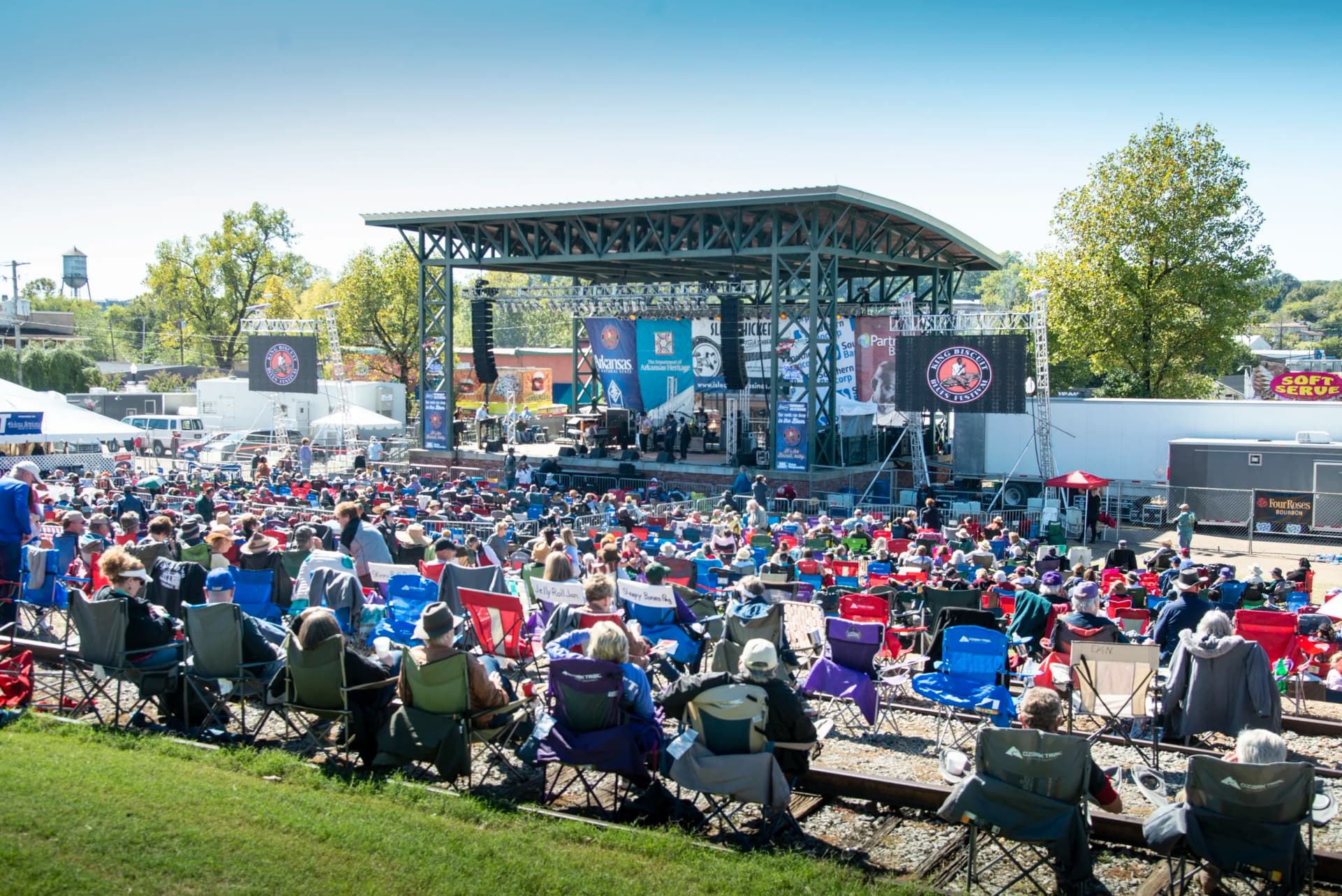
For merchants, that concentration matters. Restaurants, shops, and other downtown businesses benefit from a surge of visitors who are already walking the same streets that carry the city’s history. For county residents, the festival keeps Helena visible, not just as a place with a past, but as a place where people still come to spend time and money.
What visitors find beyond the main stages
The King Biscuit experience does not begin and end with the performances. Visit Helena’s tourism materials connect the festival to the Delta Cultural Center and the Helena Blues Trail, which helps visitors see how radio, memory, and geography reinforce one another in Helena-West Helena. The festival becomes a gateway to the wider story of the city rather than a stand-alone concert weekend.
That broader setting gives Phillips County an advantage. A visitor who comes for the music can also trace the city’s blues landmarks, hear the story of King Biscuit Time, and understand why Helena’s reputation traveled so far. The city’s position, about seventy miles southwest of Memphis, Tennessee, has long made it part of the Delta’s musical map, but the festival gives that map a focal point that can be seen and felt downtown.
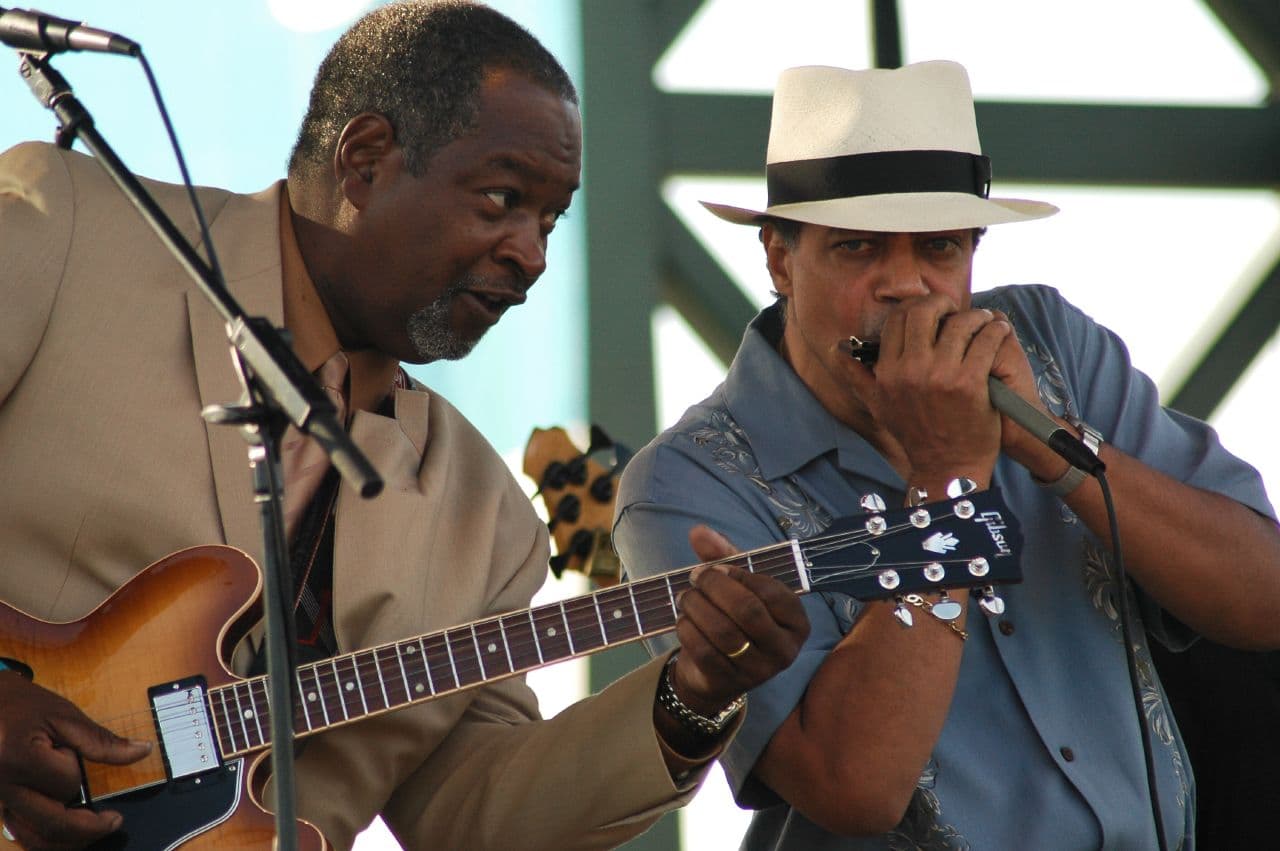
The result is a local identity that is both cultural and commercial. The same blocks that host performances also hold the businesses that depend on annual bursts of activity. The same institutions that preserve the county’s musical memory, especially the Delta Cultural Center, help guide visitors toward the people and places that built it.
Why the festival still matters to Phillips County
The festival’s staying power tells a larger Phillips County story. It shows that cultural heritage can do more than commemorate the past. In Helena, it still shapes where people go, how long they stay, and what parts of downtown they notice.
That is why the stakes are bigger than one weekend of entertainment. If the festival weakens, downtown Helena loses more than a signature event. It loses one of the clearest ways it converts heritage into activity, identity into visibility, and music history into real-world economic life. The county would still have its blues legacy, but it would have fewer moments when that legacy fills the streets, supports merchants, and reminds visitors that Phillips County’s most important stories are still being lived in public.
This article was produced by Prism’s automated news system from verified source data, official records, and press releases, then run through automated quality and moderation checks before publishing. The system is built and supervised by the people who set the standards it runs under. Read our full AI policy.
Did this article answer your question?