Maple Hill Cemetery reveals Helena's layered history and segregation
Maple Hill Cemetery is Helena’s landscape of segregation and memory, where a fenced burial ground records race, land control, and the city’s growth.
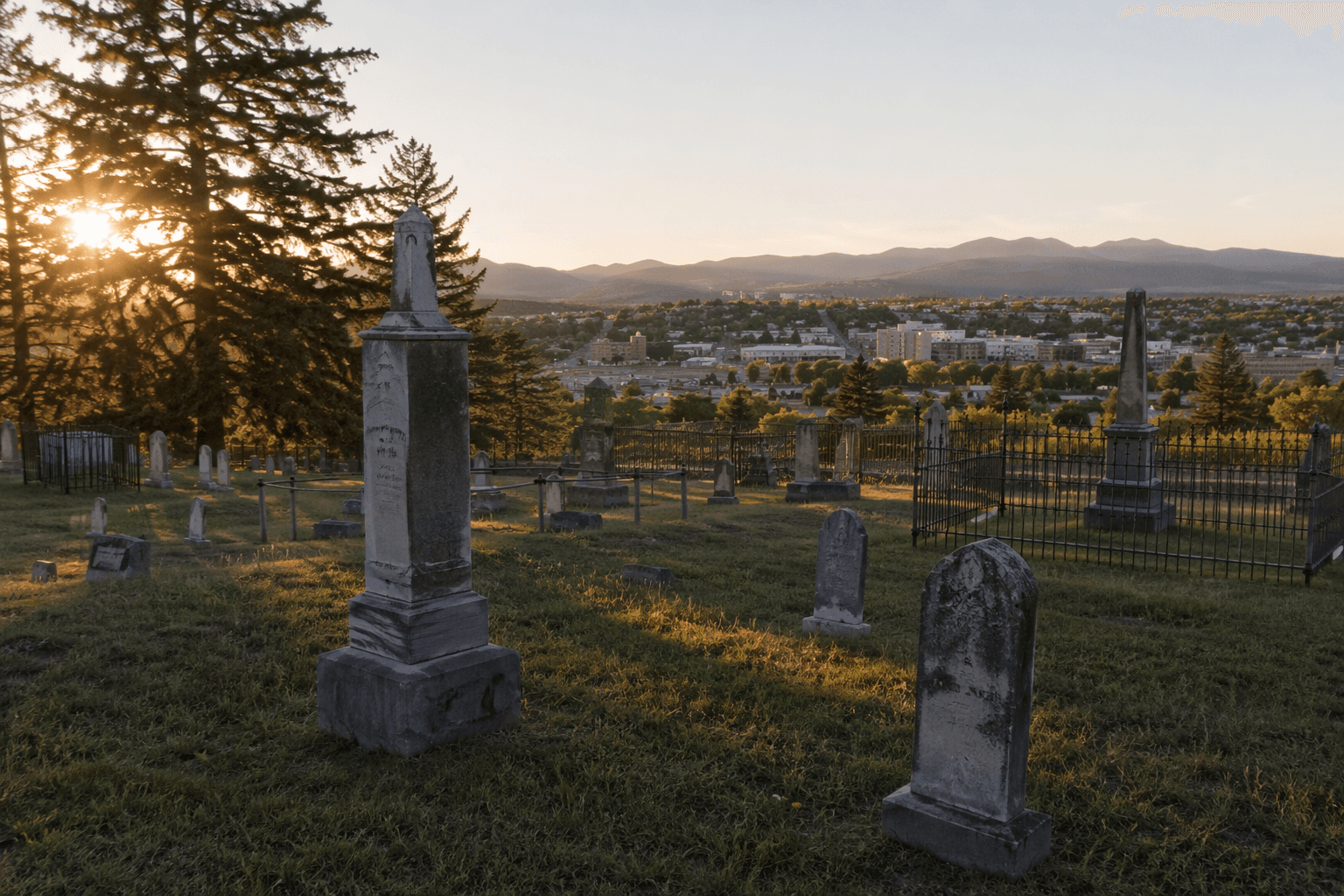
Maple Hill Cemetery in Helena-West Helena sits on higher ground with a river overlook, and its layout still shows how Helena organized race, land, and memory. Once known as Evergreen Cemetery, the site was divided roughly in half by a fence, with African Americans buried on the west side and whites on the east. That split turns the cemetery into a record of Phillips County’s development, not just a place of burial.
A cemetery built into Helena’s growth
The old Evergreen name points back to the Evergreen Cemetery Company, which was incorporated in 1870, when Helena was still shaping its post-Civil War identity. By 1898, the portion east of the fence had been sold to the Maple Hill Cemetery Company, and the transfer of the west side continued in 1899. Those dates matter because they show the cemetery evolving as the city itself expanded, reorganized land ownership, and moved from one company framework to another.
Maple Hill’s setting also tells that story. The site’s high ground and river overlook connect it to Helena’s bluff-top geography, where elevation has long carried practical value and visual meaning. The stately magnolias and later iron gates, added in the 1920s, add successive layers rather than freezing the place in a single era.
The fence still explains the place
The most revealing feature at Maple Hill is the simplest one: the fence that once split the cemetery in two. On one side were African American burials; on the other were white burials. That arrangement makes the cemetery a direct map of segregation, showing how racial boundaries reached into daily life, property use, and even the treatment of the dead.
In that sense, Maple Hill is one of the clearest places in Helena to see who controlled land and how that control was enforced. Burial patterns were not random, and they were not neutral. The divisions on this hill reflected the city’s social order at a time when race shaped where people lived, where they were buried, and how memory was organized after death.
A layered site, not a single story
Maple Hill also contains the Helena Confederate Cemetery in its southwestern corner. That cemetery holds the graves of Confederate soldiers who died during the 1863 Battle of Helena, along with soldiers who died in other conflicts. The result is a single grounds complex with multiple layers of Civil War and postwar memory, all inside one larger cemetery landscape.
That layering gives Maple Hill unusual value for anyone trying to understand Phillips County’s past. It holds the story of segregation, the story of Helena’s bluff-top development, and the story of Civil War remembrance in the same place. Few local sites show so plainly how land can accumulate meaning across generations without losing the marks of earlier divisions.
What visitors and families can use it for now
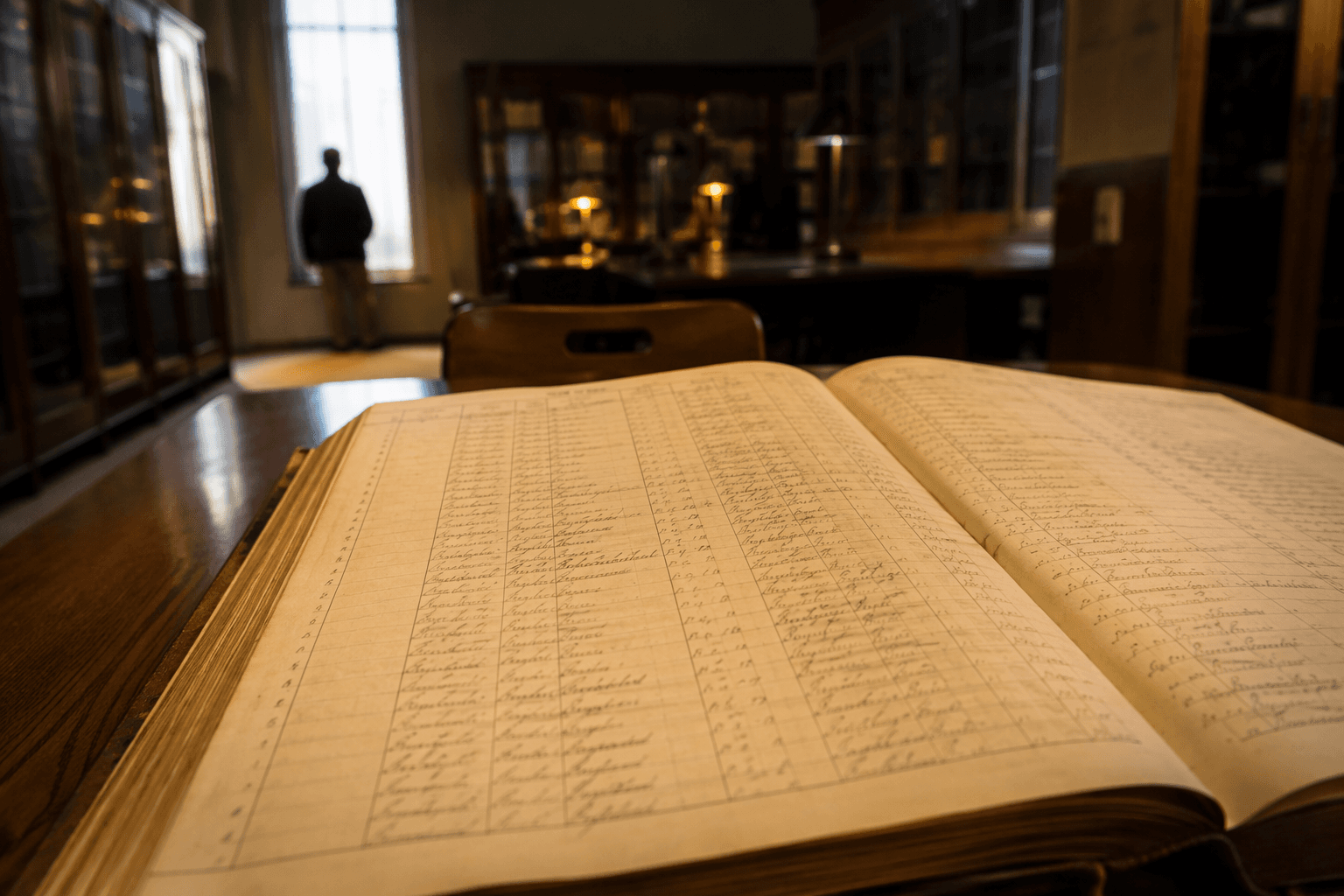
Maple Hill remains useful for more than reflection. Arkansas Gravestones lists 248 cemetery records for the site, which makes it a practical stop for genealogical research and for families tracing names across generations. Find a Grave also identifies Maple Hill as Evergreen Cemetery, reinforcing the older name that still appears in historical references and family memory.
The cemetery is also treated as part of the region’s heritage landscape. Arkansas.com lists Maple Hill Cemetery and Helena Confederate Cemetery together as a tourism attraction, signaling that the site is meant to be read as a destination as well as a burial ground. Its magnolias, river view, and visible historic layers make it one of those Helena places where landscape and record work together.
That context matters in Phillips County, which was established on May 1, 1820, with Helena-West Helena as the county seat. The county had a population of 16,568 in the 2020 Census, and Maple Hill remains one of the most concentrated places to see how the county seat grew, separated, and remembered itself. The cemetery’s layered ground still shows which histories were built into the city, and which ones had to struggle to stay visible.
This article was produced by Prism’s automated news system from verified source data, official records, and press releases, then run through automated quality and moderation checks before publishing. The system is built and supervised by the people who set the standards it runs under. Read our full AI policy.
Did this article answer your question?