Archusa Creek Water Park offers fishing, boating and swimming on 450-acre lake
Archusa Creek Water Park remains Quitman County’s key lake destination, with year-round camping, low-cost access, and a 450-acre reservoir at its center.
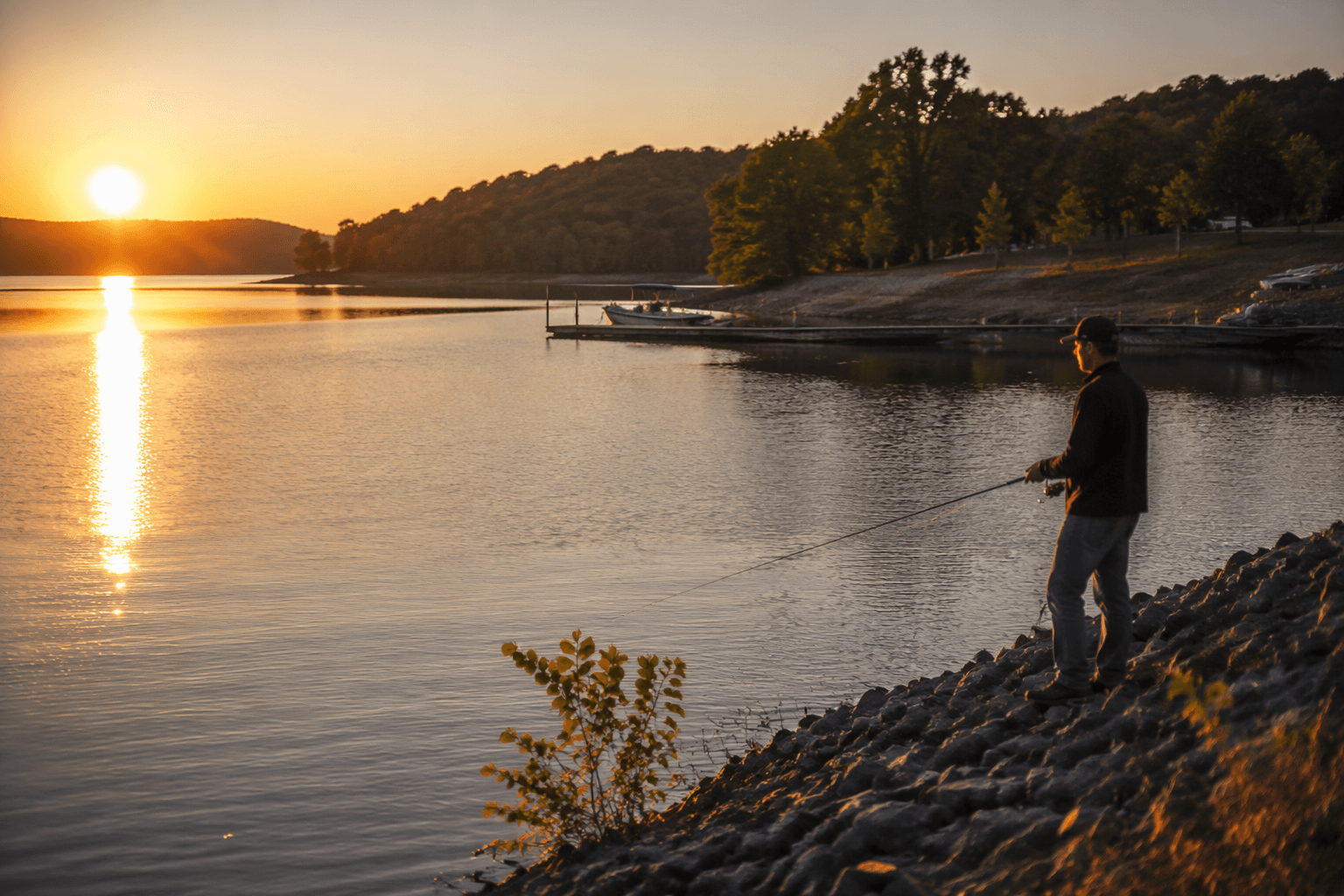
Archusa Creek Water Park gives Quitman County something increasingly rare: a shared outdoor place built around a real body of water, not just a roadside stop. The 450-acre Archusa Creek Lake anchors fishing, boating, swimming, camping, and picnicking in one managed site, and that makes the park useful to families, anglers, and summer visitors who want a full day by the water without leaving the county.
A county lake with a clear identity
The park’s value starts with scale. At 450 acres, Archusa Creek Lake is large enough to support repeat visits, longer stays, and a mix of uses that can fill an entire weekend. The City of Quitman describes Archusa Creek Water Park in practical recreation terms: fishing, boating, swimming, and other water-dependent activities.
That matters in Quitman County because the park is not a generic green space. It is a defined lake-and-park destination with a name, a shoreline, and a set of uses that have remained consistent over time. For anglers, the lake offers open water and shoreline access. For families, the size of the reservoir gives the day structure, with room for swimming, boat time, and meals outdoors rather than a quick in-and-out visit.
Where it is and what it offers
Archusa Creek Water Park is listed at 540 County Road 110 in Quitman, Mississippi, just off Hwy. 45 and Hwy. 18 East. That location keeps it close enough for local traffic while still giving it the feel of a destination park rather than an ordinary neighborhood pond.
Public listings broaden the picture of how people use it. Along with fishing, boating, and swimming, the park is described as a place for camping, water skiing, picnicking, barbecue grills, and family-size picnic areas. Those details point to a site built for multigenerational visits, where one group may fish from the bank while another sets up lunch and children move between the water and the picnic area.
Camping that extends the day
The campground gives Archusa a longer season and a wider audience. ParkAdvisor lists the campground as open all year, with 69 total sites. Of those, 56 are full-hookup sites and 13 are electric-water sites, and the maximum RV length is 38 feet.
That combination makes the park useful to travelers passing through the Delta as well as to local campers who want a nearby overnight option. Good Sam lists rates starting at $15 per night, which keeps the park within reach for residents who want a low-cost stay and for visitors who plan a short trip around lake access.
Managed as part of a larger public system
Archusa Creek Water Park is managed by the Pat Harrison Waterway District, which places it inside a broader public recreation network rather than leaving it as an isolated local site. A December 3, 2002 Mississippi PEER review, titled *A Review of the Pat Harrison Waterway District’s Management of Archusa Creek Water Park*, found that the park was one of nine water parks developed and managed by the district.
That review was prompted by citizen complaints that Archusa Creek Water Park was not getting its “fair share” of PHWD resources. The complaint history is important because it shows the park has long been part of local discussion about fairness, upkeep, and public investment. For residents, the question has never been only whether the park exists, but whether it is being supported in a way that matches its place in county life.
Why the dam matters as much as the recreation
Archusa is also an infrastructure story. In July 2023, the Archusa Dam breached near the emergency spillway and released a majority of the water in the reservoir. Pat Harrison Waterway District Executive Director Hiram Boone said no one was hurt, but the spillway break affected the local economy and campers were relocated.
That disruption changed the way many people saw the park. A place used for fishing, boating, swimming, and camping depends on stable water levels, and the breach showed how quickly a recreation asset can turn into a repair project. It also tied the park to a broader county concern: the safety and reliability of public infrastructure that supports tourism, local spending, and outdoor access.
A later update said the 2023 breach was similar to an incident that happened about 25 years earlier. That history gives Archusa a longer arc than a single storm or maintenance problem. It is a reminder that the lake’s usefulness depends on repeated public decisions, technical repairs, and funding that can take years to secure.
Repair plans and what they mean for the park
By late 2025, repair plans were in the final phase, contracts had been awarded, and a temporary dam was planned to divert water. James Buchanan of the Pat Harrison Waterway District board said work would begin in a few weeks.
Those steps matter because they point toward a return to the park’s normal role in county life. A temporary dam is not a small detail. It is the kind of engineering fix that determines whether the lake can recover as a usable recreation site, not just remain a damaged basin. The fact that most of the money was still held up in Congress also shows how dependent a county-sized asset can be on decisions made far beyond Quitman County.
What Archusa means for Quitman County now
Archusa Creek Water Park remains one of Quitman County’s few durable shared outdoor assets because it serves more than one kind of visitor at the same time. A family can use the picnic areas and campground. An angler can spend a day on the water. A boater or swimmer can treat the 450-acre lake as the center of the trip, not just an add-on.
The park’s identity is tied to its lake, but its importance comes from the way it supports daily county life: affordable access, year-round camping, and a public shoreline that still carries local meaning even after a major dam failure. In a county where outdoor recreation is part of the local identity, Archusa Creek Water Park remains a place that links leisure, public investment, and the practical question of whether residents still have a dependable place to gather around the water.
This article was produced by Prism’s automated news system from verified source data, official records, and press releases, then run through automated quality and moderation checks before publishing. The system is built and supervised by the people who set the standards it runs under. Read our full AI policy.
Did this article answer your question?