Quitman County records reveal roots, land ties and family history
Quitman County's microfilm can help you trace kin, land and court fights from the county's first years after 1877. Deeds, estate files and chancery dockets make the paper trail personal.

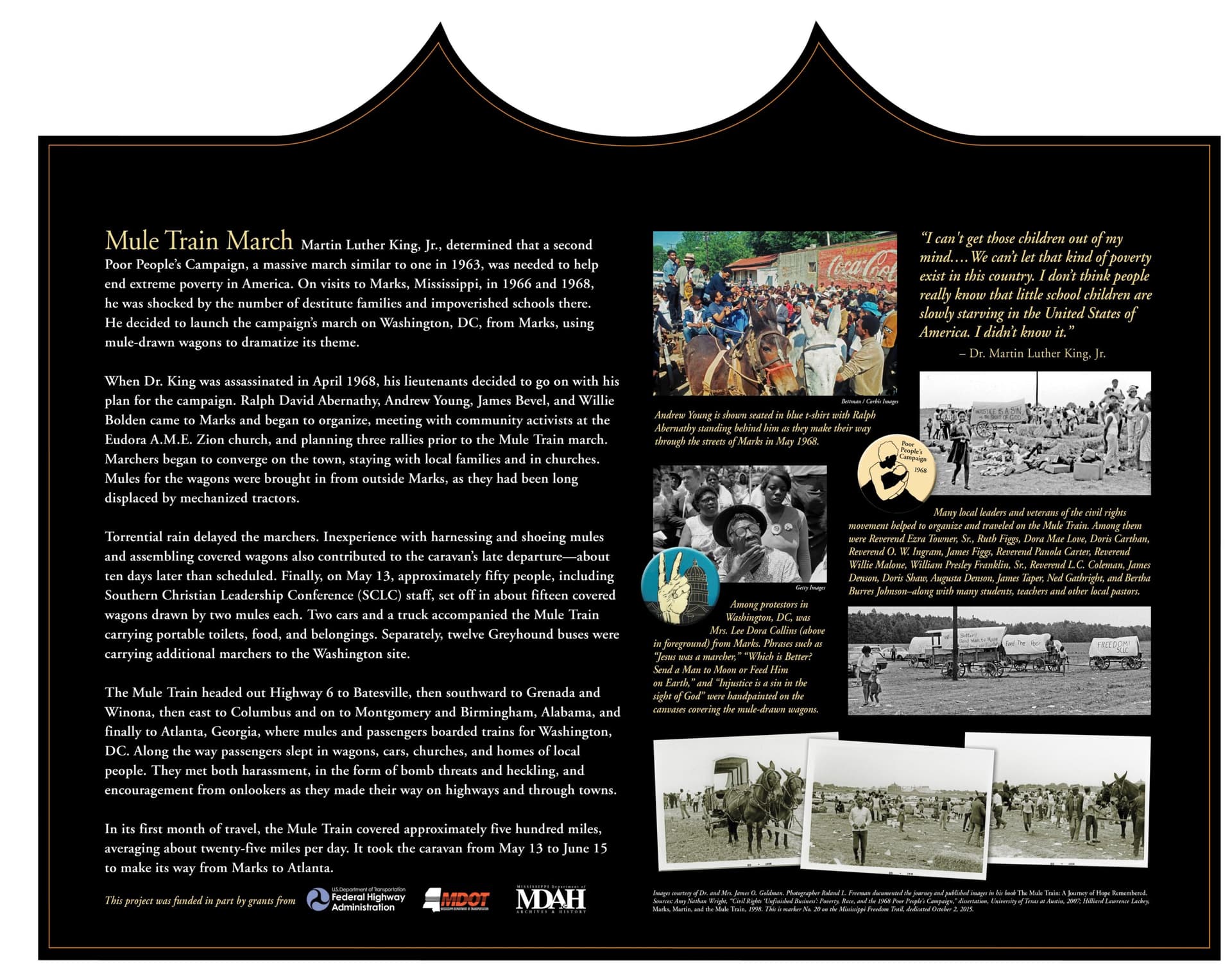
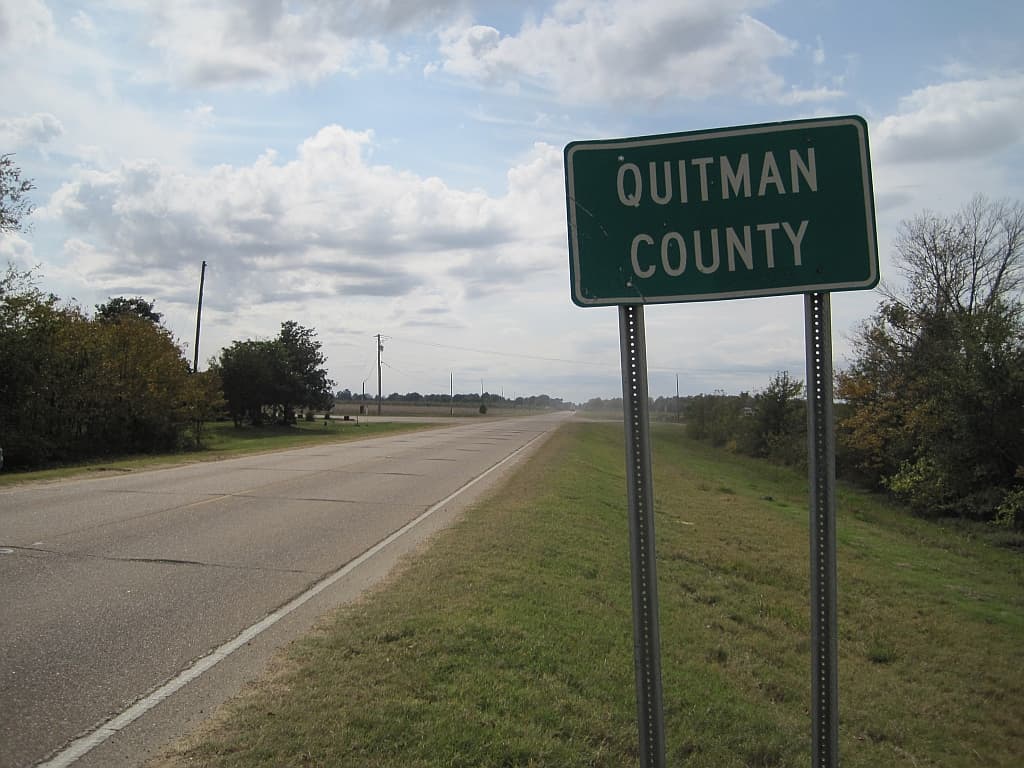
Quitman County was formed in 1877 from parts of Tallahatchie, Tunica, Panola and Coahoma counties, and its first paper trail begins soon after. If you're tracing a surname in Marks, following a farm boundary, or trying to put a family story back on solid ground, the county's microfilm is one of the most useful places to start. The county seat, Marks, honors Leopold Marks, the Jewish state legislator who introduced the bill, while the county itself was named for Mississippi governor John A. Quitman.
Where the county's story is easiest to see
The records preserved for Quitman County are not abstract archive material. They are the kind of working courthouse files that can show who inherited land, who borrowed against property, where a family settlement ended up, and how a name moved across generations. That makes them especially useful in a county where the formal record begins in the post-Reconstruction years and where the same surnames can appear in deeds, chancery cases and estate files.
If you are trying to answer a practical local question, start with the records that match it. A question about an ancestor's estate belongs in the administrator files. A dispute over acres, debt or division of property belongs in chancery. A question about when a tract was bought, sold or broken up belongs in the deed books. In a place like Quitman County, those records often do more than identify property, they help rebuild family ties, neighborhood patterns and the shape of the county itself.
What to pull first
The Quitman County microfilm holdings at the Mississippi Department of Archives and History include several core series that matter to family researchers and land researchers alike:
- Administrator's Bonds & Letters, 1878 to 1888. These records can help you trace estates, legal responsibility after a resident's death, and the family relationships that show up when property is divided.
- Chancery Dockets, 1878 to 1902. This is one of the most valuable sets for disputes over inheritance, land, debt and family settlements, especially when the same family name appears more than once.
- Deed Books A, B, C, D and F. Book A runs from 1877 to 1881, Book B from 1878 to 1898, Book C from 1881 to 1886, Book D from 1877 to 1884, and Book F begins in 1885. These volumes are the clearest way to follow farms, town lots and rural tracts as they changed hands in the county's earliest decades.
A practical search path through the microfilm
The easiest way to use the collection is to work from the known to the unknown. Start with the surname, place name or tract you already have, then move through the record groups in a deliberate order.
1. Begin with the deed books if you are trying to locate land.
The date ranges in Books A, B, C, D and F overlap, which helps when a sale or boundary description falls across more than one volume.
2. Move to the chancery dockets if the land changed hands because of inheritance, debt or family conflict.
Those cases often explain why a tract was divided, sold or claimed by several relatives.
3. Check the administrator files when a death appears in the family line.
Bonds and letters can connect heirs, executors and other parties who may not be obvious from a deed alone.
4. Use the broader archive when a road, river line or town lot needs context.
MDAH's master microfilm list reaches beyond county books into federal records, state government records, maps and more.
The Quitman County microfilm is self-serve in the Media Room, which makes it a practical stop for anyone who wants to work through the records directly. The catalog shows the record types and date spans up front, so you can arrive with a focused search plan.
How the county's origins shape the paper trail
Quitman County was created in 1877 from four older Delta counties, and the paper trail reflects that transition. The earliest records capture a county that was just taking shape, with land descriptions, legal disputes and estate matters documenting the first years of formal local government.
This article was produced by Prism’s automated news system from verified source data, official records, and press releases, then run through automated quality and moderation checks before publishing. The system is built and supervised by the people who set the standards it runs under. Read our full AI policy.
Did this article answer your question?