Coahoma Fire assists in Quitman County drowning search
Coahoma County firefighters joined a Quitman County drowning search that used a rescue boat, sonar and Panola Dive Team divers to locate the victim.
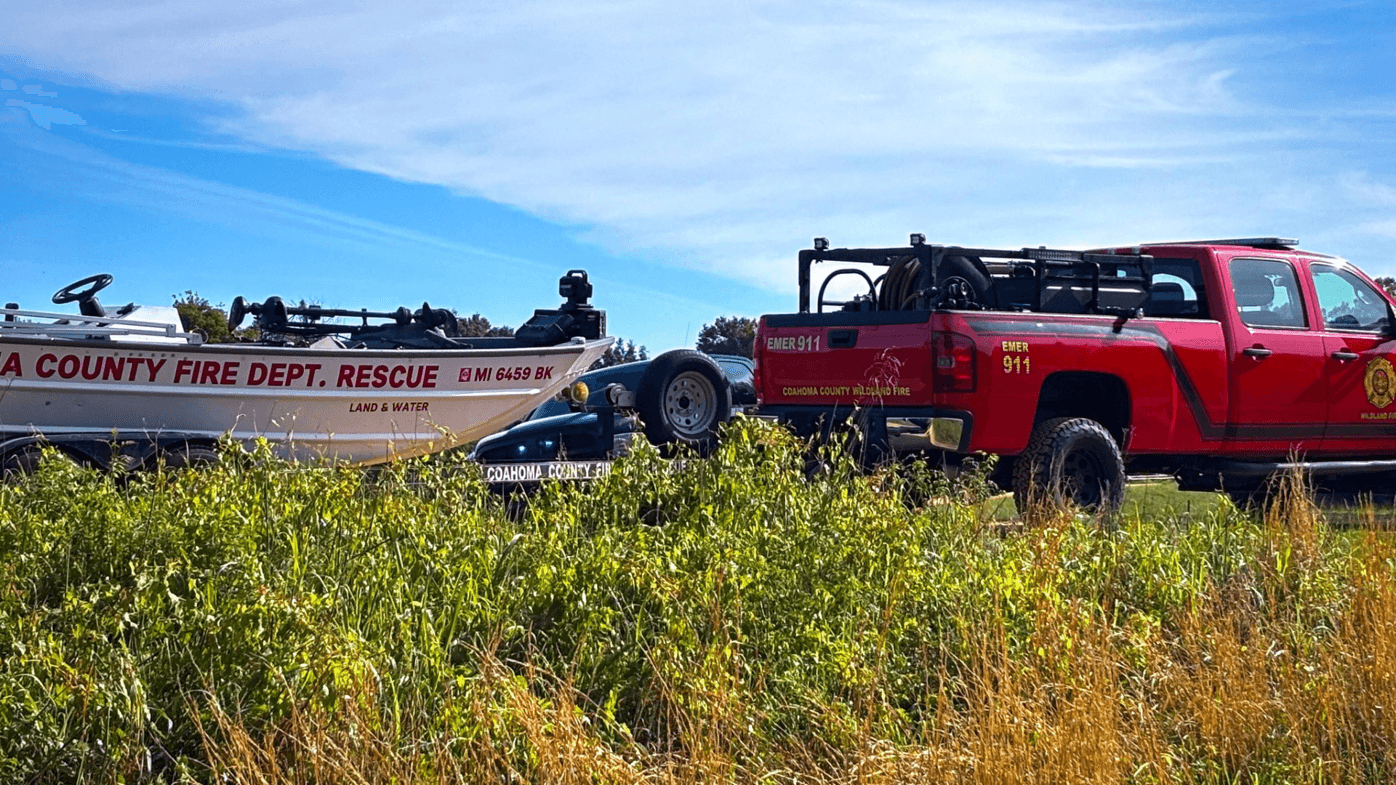
Coahoma County firefighters were called into Quitman County to help search for a drowning victim, bringing a rescue boat into a response that crossed county lines and depended on outside help. The recovery effort showed how water emergencies in the Delta can quickly outgrow one department’s staffing and equipment.
Crews were called in Sunday morning after the search began Saturday, and operations resumed at daybreak. Alongside the Coahoma County Fire Department, the response included Mississippi Game and Fish, Tallahatchie EMA and sheriff’s deputies, and the Crowder Fire Department. The person was found with sonar technology and divers from the Panola Dive Team, two tools that matter in a region where backwater, ditches and low-lying ground can make searches slow and dangerous.
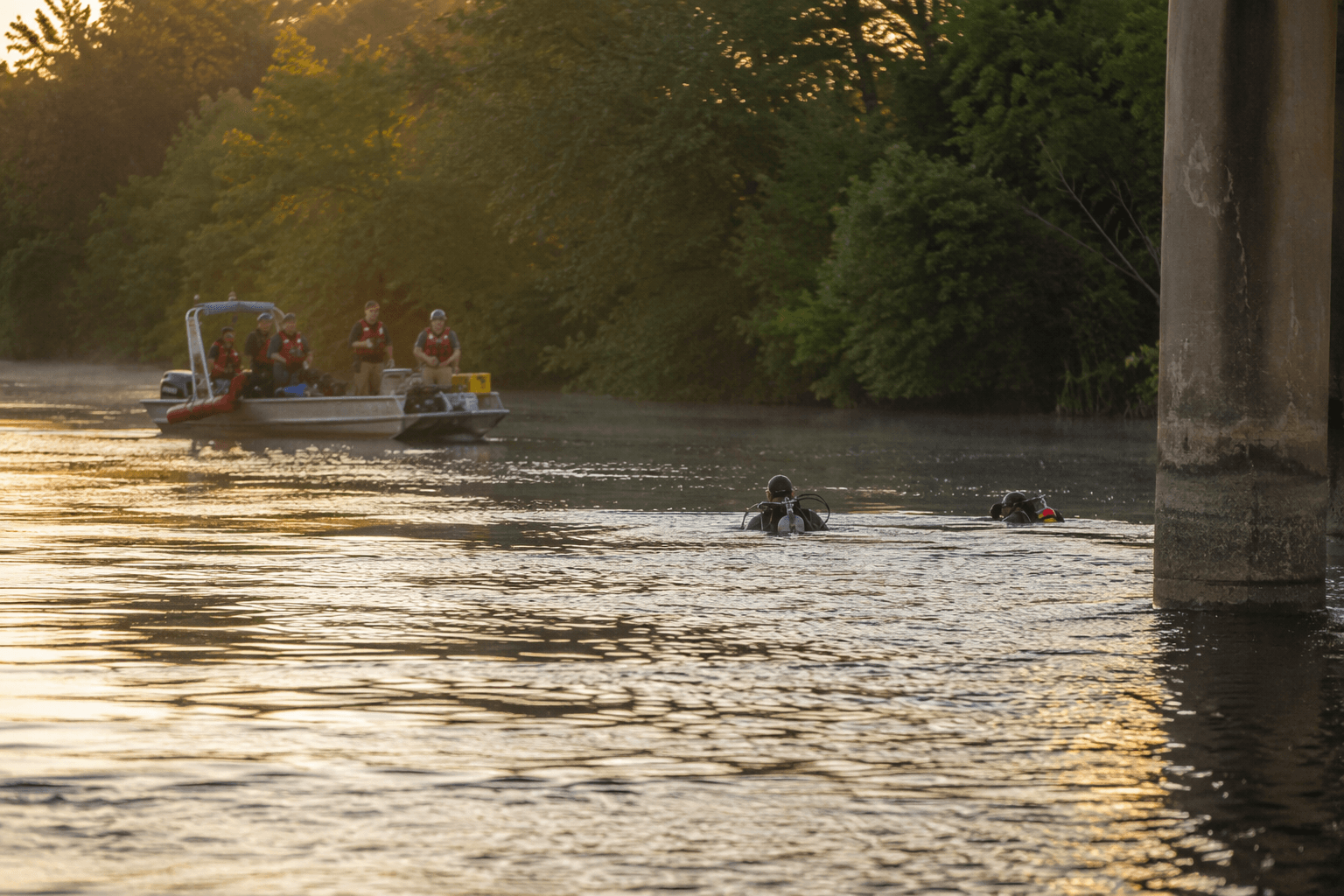
The Quitman County case fits a pattern seen in other Delta recoveries. In one earlier Quitman County boater recovery, searchers worked through the night and resumed at daybreak, using sonar and Panola Dive Team divers with Mississippi Game and Fish personnel. In another Coahoma County recovery, agencies from across Mississippi and beyond were pulled in, including the Mississippi Department of Wildlife, Fisheries and Parks, the Arkansas Game and Fish Commission, Helena Fire Department, DeSoto County Sheriff’s Office, Phillips County Sheriff’s Office, Mississippi Task Force 1 and DeSoto County Emergency Services. Those callouts show that water rescue in this corner of Mississippi often relies on a regional mutual-aid network rather than a single local unit.
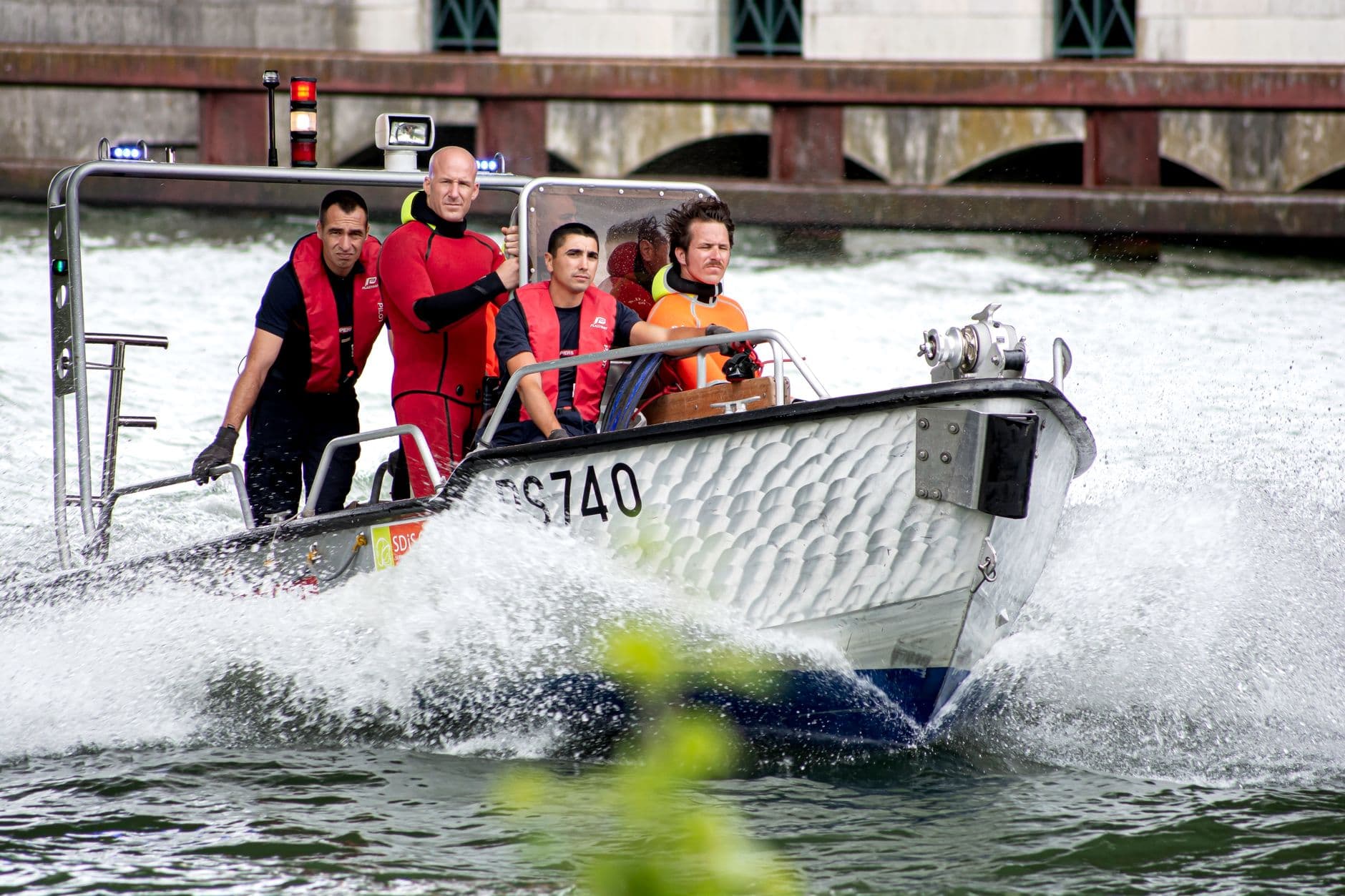
For Quitman County families, anglers and boaters, the search is a reminder that the risk is not limited to the Mississippi River. Rivers, backwater areas, drainage ditches and flood-prone ground can become hazardous fast, especially in a hot Mississippi summer when people head to the water to cool off. The response also points to the safety measures that matter most around local waterways: life jackets, close supervision, and quick reporting when someone goes missing. When a search turns into an overnight operation, the difference between a local call and a coordinated regional response can determine how fast crews get the right boat, sonar and dive support into the water.
This article was produced by Prism’s automated news system from verified source data, official records, and press releases, then run through automated quality and moderation checks before publishing. The system is built and supervised by the people who set the standards it runs under. Read our full AI policy.
Did this article answer your question?