Crowder population falls as Quitman County reflects wider decline
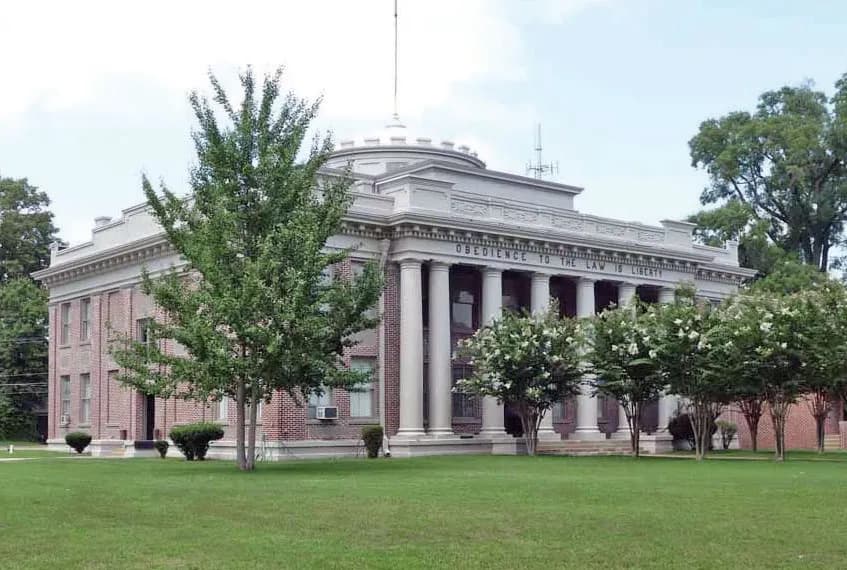
Crowder’s population dropped to 573 in 2020, but its rail-and-timber past still explains why the town sits where it does in Quitman County.
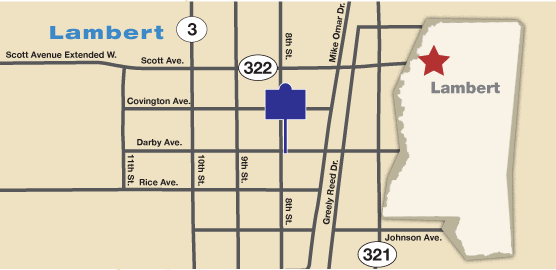
Crowder’s population fell to 573 in 2020, down from 712 in 2010, a decline of 19.5% that left the town with 418 adults and a smaller footprint than many Quitman County residents may remember. Most of Crowder sits in Quitman County, with a portion extending into Panola County, and that split helps explain why the town still feels larger in local memory than it looks on a map.
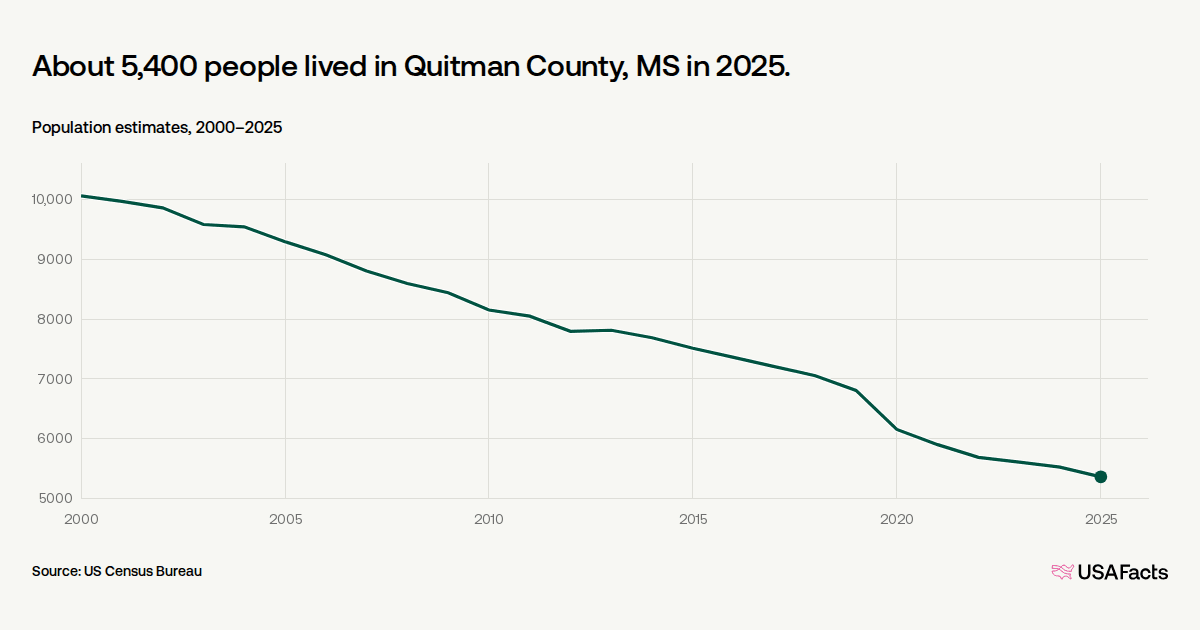
The town’s decline mirrors a broader county pattern. Quitman County’s population dropped from 8,223 in 2010 to 6,176 in 2020, while 2020-2024 estimates put median household income at $32,412, poverty at 31.9%, and household broadband subscription at 66.5%. Those numbers show a county that remains populated and connected, but still faces the economic pressures that shape schools, access to services, and the pace of daily life in places like Crowder.
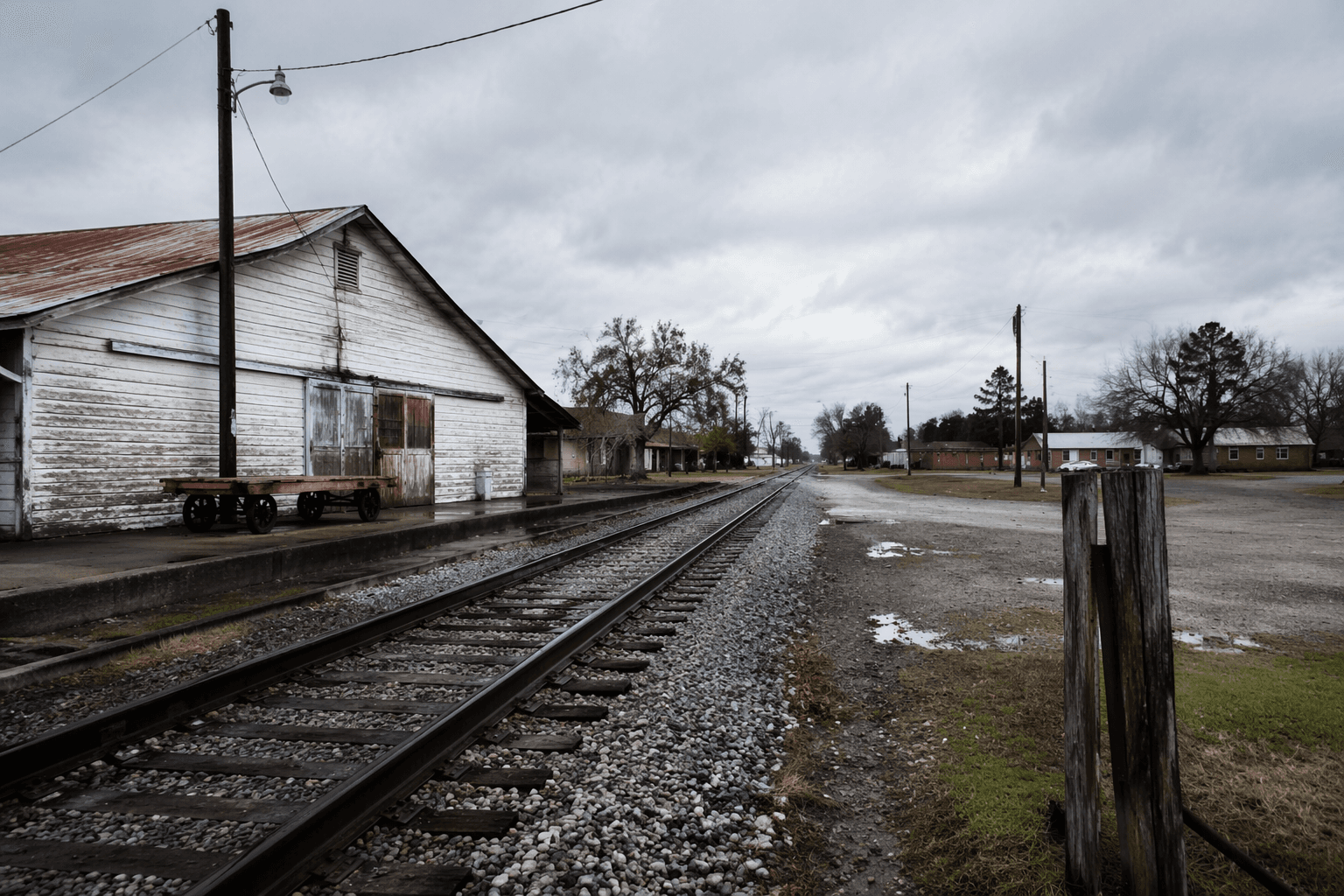
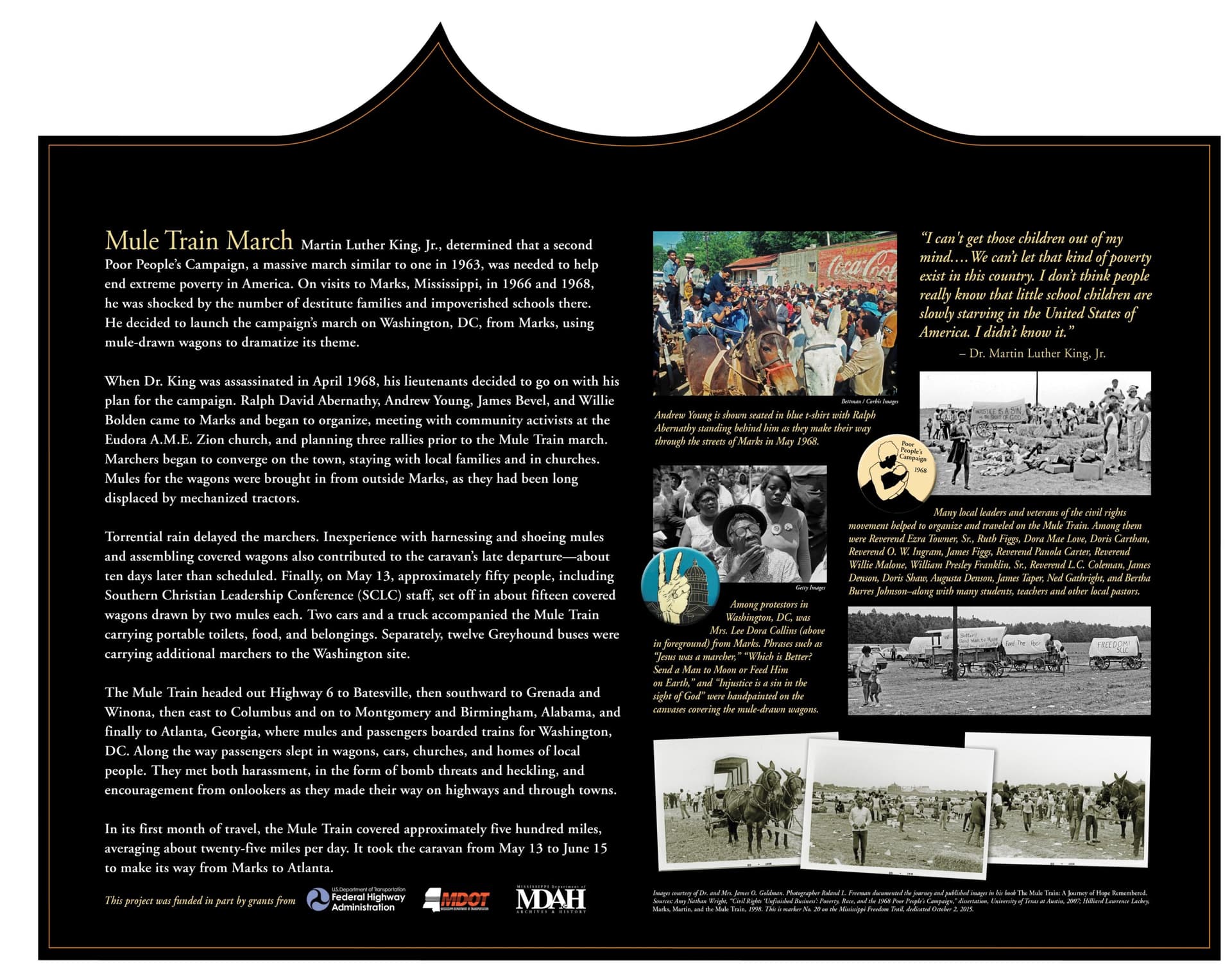
Crowder’s origins are tied to rail and timber, not just geography. The Batesville Southwestern Railroad ran about 17 miles from Batesville to Crowder through timber country, reaching the end of the line in a place that sat beside a major timber holding. In 1912, R. J. Darnell owned about 19,000 acres of timber around Crowder, underscoring why the route mattered: the railroad gave the Delta timber economy a way to move product out to market.
That line took shape quickly and then unraveled just as fast. Construction began about June 1911, the railroad started operating as a common carrier in March 1912, and the line was not completed until June 1914. Darnell’s Memphis mill burned in June 1913, the replacement mill in Batesville opened on March 17, 1914, and the Batesville Southwestern was approved for abandonment on Feb. 5, 1931. By then, Mississippi’s railroad boom had already peaked, with the state holding 4,223 miles of railroad by 1910 after railroad construction and timber had become the dominant industries in the 1870s and 1880s.
That history still shapes what people can see and use today. The Mississippi Department of Archives and History keeps Crowder digital archive material that includes city maps from 1975, 1981, 2005, 2007 and 2010, offering a paper trail for how the town was documented long after the railroad faded. For Quitman County, those maps, along with the census figures, preserve more than local nostalgia: they show a community whose identity was built around timber, rail access and county lines, and whose records now matter for understanding how much has changed and what remains on the ground.
This article was produced by Prism’s automated news system from verified source data, official records, and press releases, then run through automated quality and moderation checks before publishing. The system is built and supervised by the people who set the standards it runs under. Read our full AI policy.
Did this article answer your question?