MEMA launches disaster loan program for Quitman County recovery costs
MEMA’s new loan program gives Quitman County a cash bridge for storm bills, but repayment rules could squeeze future budgets if FEMA money falls short.
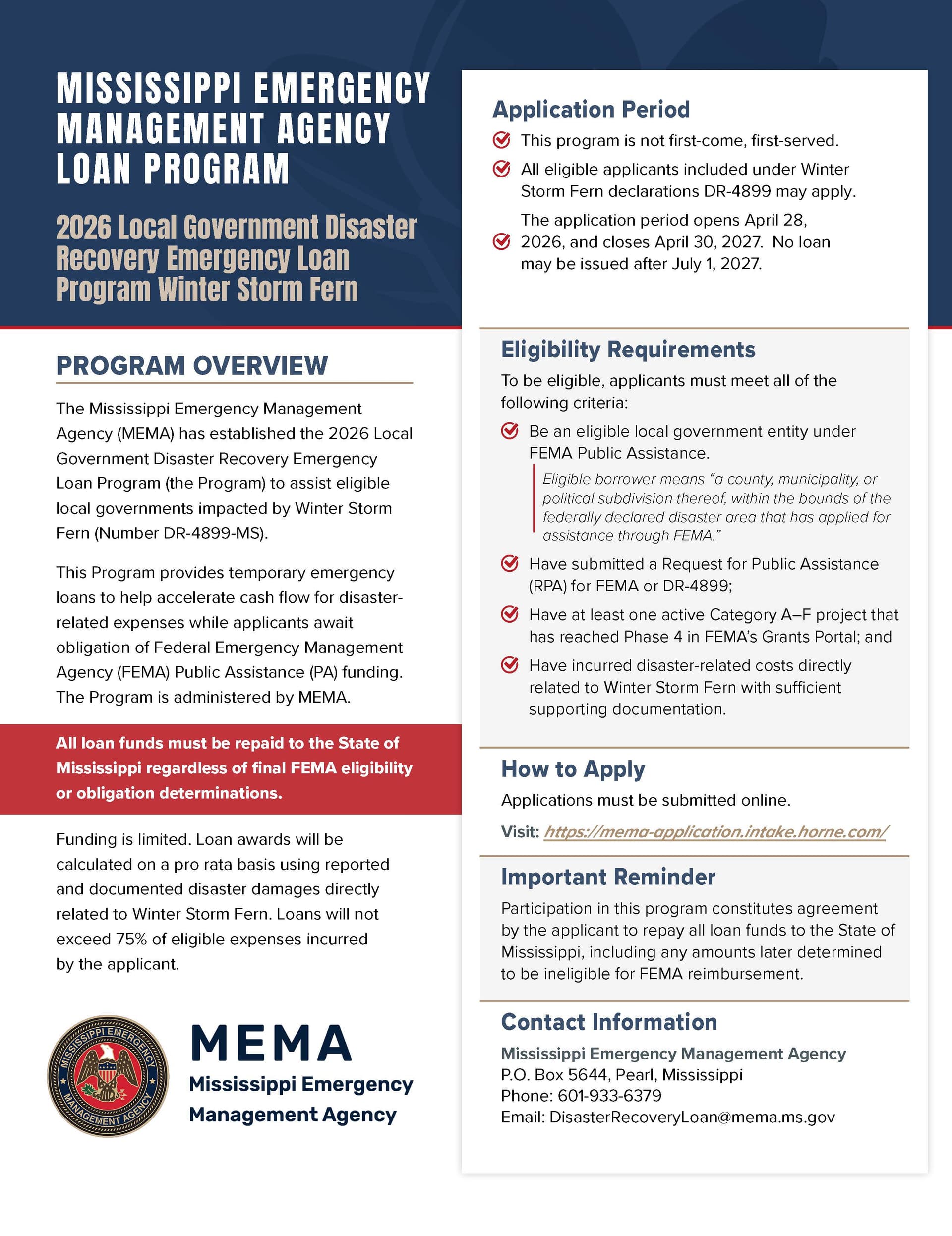
Quitman County and other storm-hit local governments now have a new way to pay debris-removal and repair bills while waiting on federal aid. The Mississippi Emergency Management Agency launched the Local Government Disaster Recovery Emergency Loan Program on April 28 to help eligible counties and cities cover Winter Storm Fern costs before FEMA Public Assistance dollars arrive.
The program was created by the Mississippi Legislature during the 2026 session and stays open for issuing loans through July 2027. It applies to Winter Storm Fern, which FEMA tracks as DR-4899-MS, for the January 23 to January 27 storm period that led to Mississippi’s major disaster declaration on February 6. Quitman County is among the counties approved for Public Assistance, and FEMA says that aid can cover emergency work and the repair or replacement of disaster-damaged facilities.
So far, no public application plan has been announced for Quitman County or for Marks, but the county sits squarely inside the recovery zone and could use the loan if storm expenses are straining local cash flow. The money is meant to bridge the gap between spending on cleanup, repairs and response and the slower federal reimbursement process. That could help pay for debris removal, damaged equipment, road work, utility fixes and other recovery costs that affect daily life in the county seat and beyond.
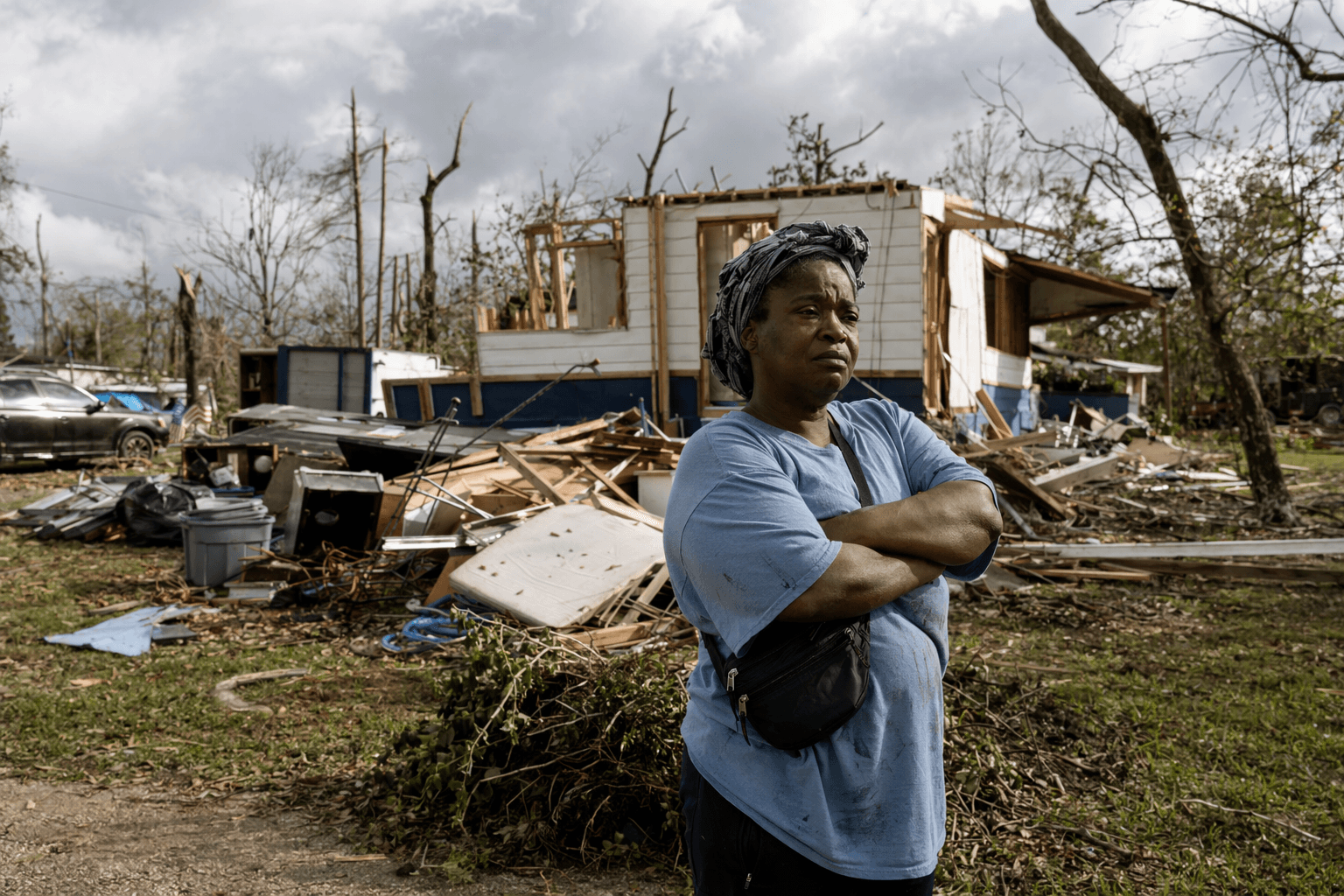
For residents, the practical value is speed. A local government that can front storm bills without waiting months for reimbursement may be able to clear roads sooner, restore services faster and keep public offices operating without cutting back elsewhere. In a rural county, that kind of cash flow can make the difference between a quick cleanup and a drawn-out recovery that lingers in budgets and neighborhoods.
The loan terms also carry a warning for taxpayers. If FEMA reimburses the expenses, the loan must be paid back immediately. If FEMA does not reimburse, the borrower must establish a dedicated revenue source for repayment, and a fixed interest rate of 3% a year applies only while the loan remains outstanding after a denial. That means the program can stabilize a recovery effort now, but it can also create pressure on future county or municipal budgets if federal aid does not fully come through.
MEMA’s broader storm reports show why the bridge financing matters. By January 26, 47 counties and the Mississippi Band of Choctaw Indians had reported damage and impacts, and about 153,000 customers were without power statewide. By January 29, MEMA listed 223 homes, 10 businesses and seven farms damaged, destroyed or affected, along with 20 public roads with major damage, 50 with minor damage and 12 destroyed, plus two bridges with minor damage.
This article was produced by Prism’s automated news system from verified source data, official records, and press releases, then run through automated quality and moderation checks before publishing. The system is built and supervised by the people who set the standards it runs under. Read our full AI policy.
Did this article answer your question?

