Quitman County gallery marks 53rd anniversary of Marks Mule Train
A Quitman County gallery put the Marks Mule Train back in view for its 53rd anniversary, linking a 1968 march start to the county’s civil rights identity.
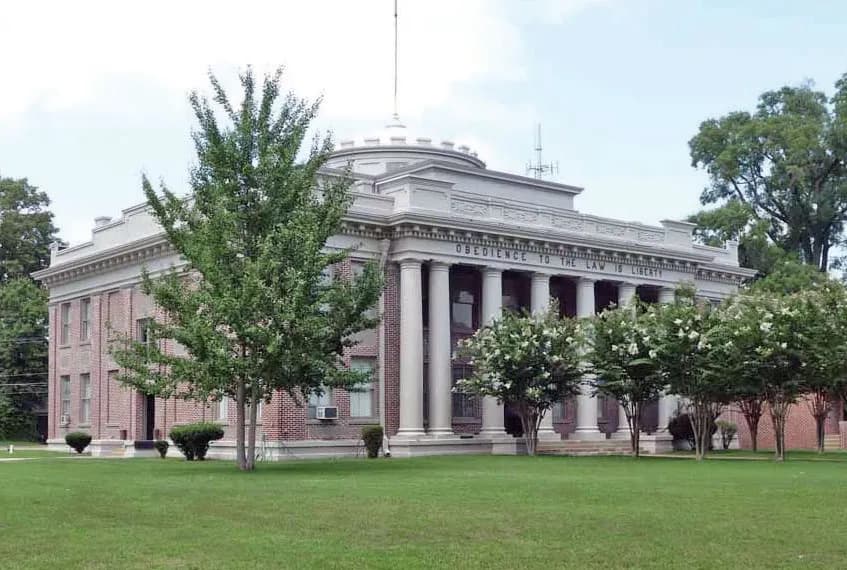
Quitman County’s community gallery brought the Marks Mule Train back to the center of local memory, using its 53rd anniversary to show that the story that began in Marks still shapes how the county sees itself. The display tied the county seat to one of Mississippi’s most recognized civil rights landmarks, where local residents helped push Dr. Martin Luther King Jr.’s Poor People’s Campaign toward Washington, D.C.
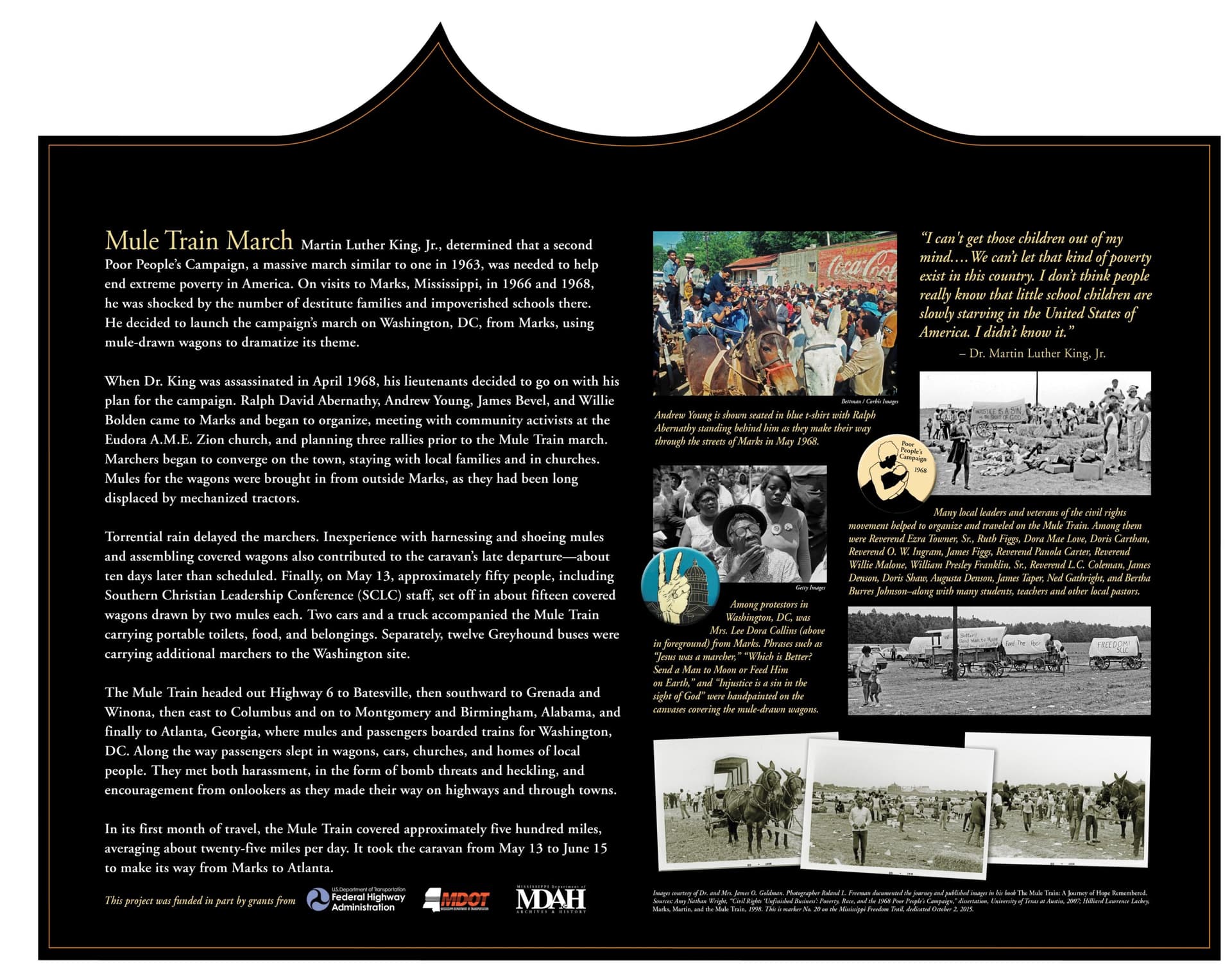
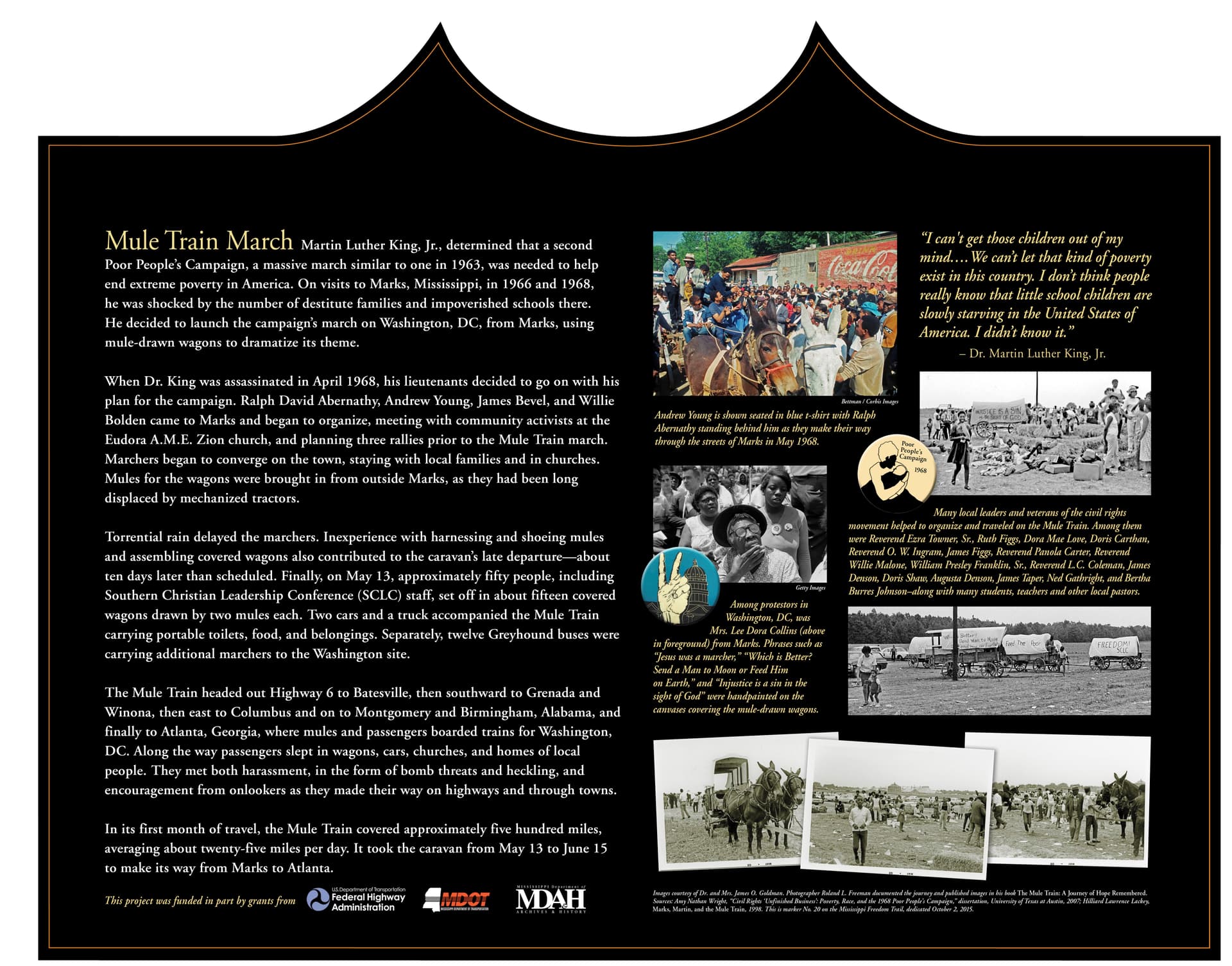
King had unveiled the Poor People’s Campaign in January 1968 to leaders of the Southern Christian Leadership Conference, and by March he had visited Marks to seek support for it. The campaign aimed to demand economic justice for poor Americans of all backgrounds, and Marks became the starting point for one of its most memorable images, a mule train that linked the Mississippi Delta to the national fight for racial and economic fairness.
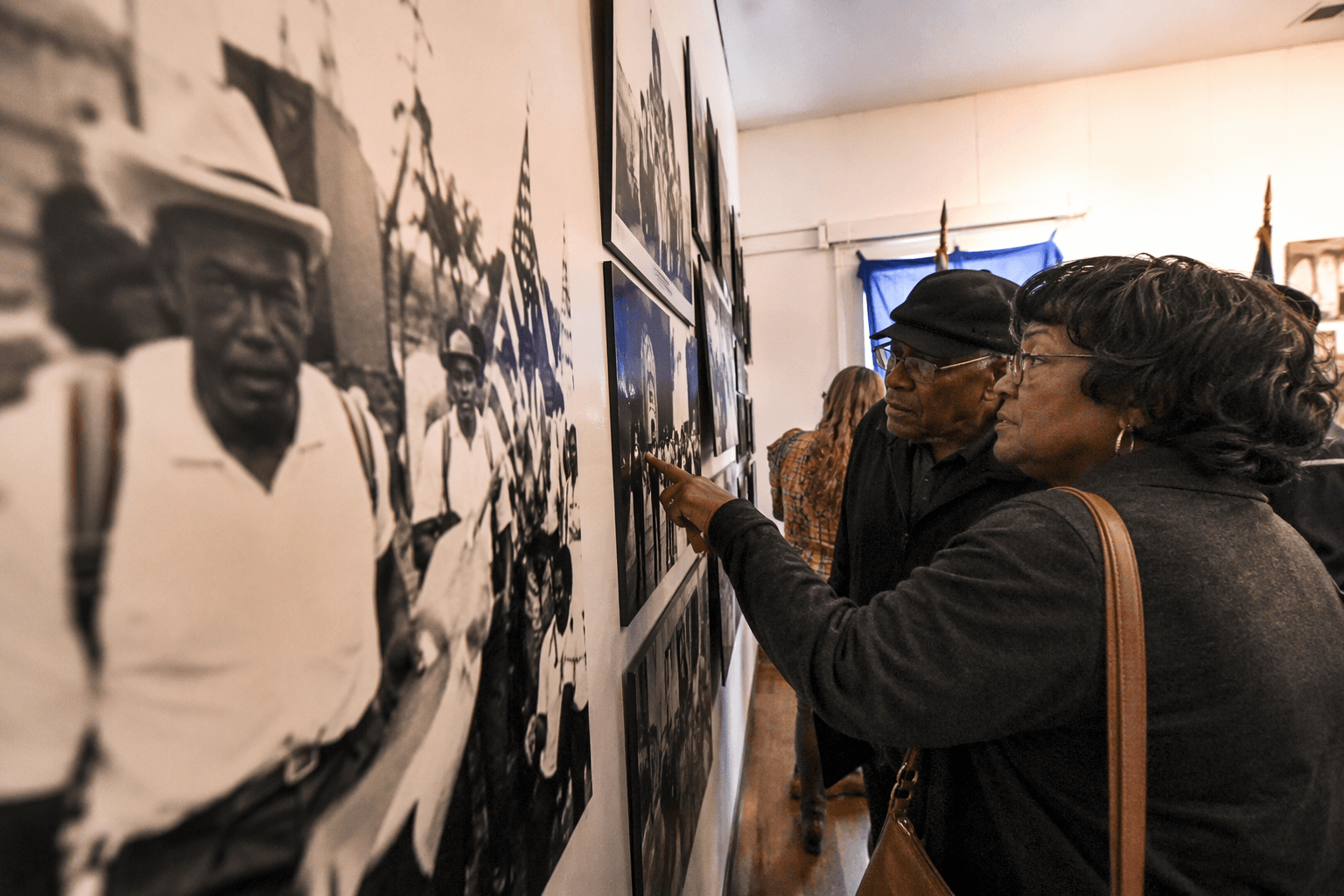
The train left Marks on May 13, 1968, in inclement weather, which forced participants to seek other transportation methods. A University of Mississippi thesis cited in the record of the campaign said the Mississippi contingent included roughly 150 people traveling in 15 covered wagons. The Poor People’s Campaign itself lasted 42 days, and the Marks departure became one of its defining scenes because it carried the voices of rural Black Mississippians into a national movement.
The anniversary gallery also reflected a longer preservation effort in Quitman County. In July 2015, Mississippi State University’s Fred Carl Jr. Small Town Center received a $25,000 National Endowment for the Arts Our Town grant to create a trail and plan an interpretive center in Marks that would tell the Mule Train story. The county then held a Marking the Mule Train workshop on February 27, 2016, continuing work that connected heritage, placemaking and civic memory.
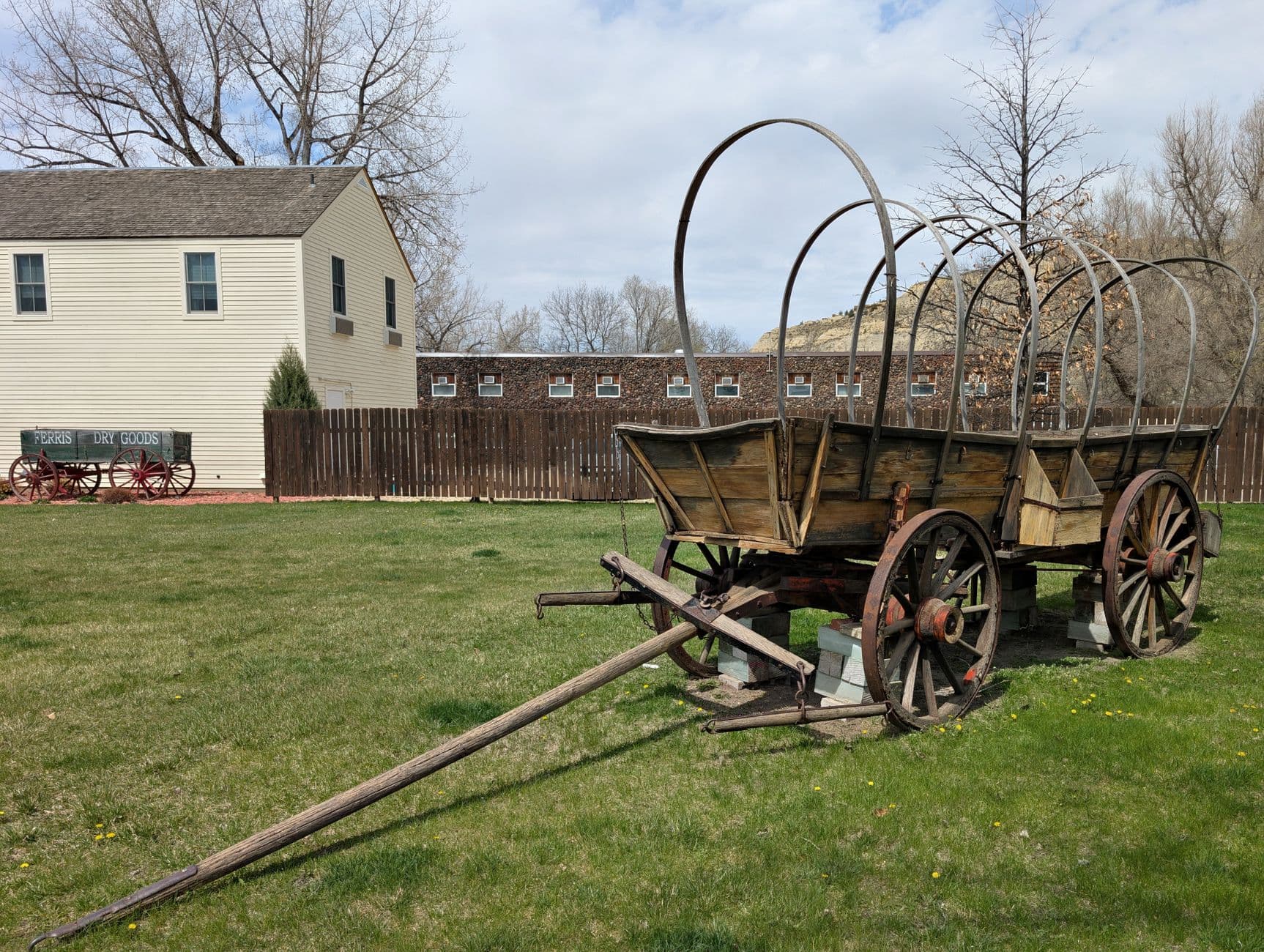
That effort is visible in the trail marker at Eudora AME Church in Marks, part of a broader effort to anchor the Mule Train in specific places families still know. Quitman County tourism materials now describe the Mule Train as the last march organized by King, underscoring how the county has folded the 1968 campaign into its public identity. For students, residents and returning families, the gallery’s 53rd-anniversary focus was more than commemoration. It kept alive a local story about movement, sacrifice and the role Marks played in national civil rights history.
This article was produced by Prism’s automated news system from verified source data, official records, and press releases, then run through automated quality and moderation checks before publishing. The system is built and supervised by the people who set the standards it runs under. Read our full AI policy.
Did this article answer your question?