Quitman County highlights civil rights and music landmarks in tourism push
Quitman County has turned civil rights memory into a visible trail, linking the Mule Train, Charley Pride and annual festivals to civic pride and local identity.
A history trail built for daily life
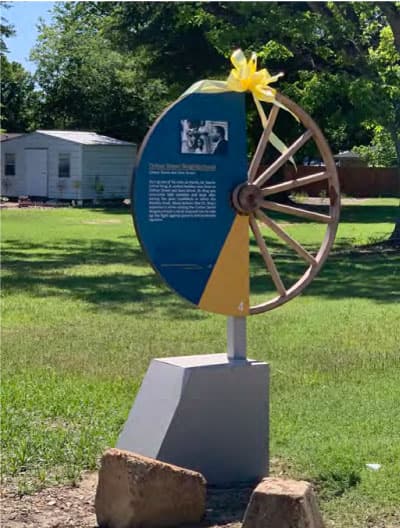
Quitman County’s strongest tourism message is not that its past is important. It is that its past has been placed where people can see it, walk it and use it. The county’s story begins with the Mule Train and its connection to the Poor People’s Campaign and Martin Luther King Jr.’s organizing legacy, then ties that history to a concrete system of 11 wagon-wheel trail markers and seven wayfinding signs around Marks.

That detail matters because it turns memory into infrastructure. The trail is not just a list of names on paper. It gives the county a physical route through places that shaped Black life, civil rights organizing and local identity, from benches and signs to a coordinated trail layout that makes the story legible to anyone moving through town.
The landmarks that carry the county’s story
The trail’s strength is the way it links different kinds of heritage into one countywide narrative. Quitman County’s tourism page points to the courthouse, Rosenwald School, Savoy Hotel, Cotton Street Neighborhood, Eudora AME Zion Church, Illinois Central Coaling Tower, Shady Grove Missionary Baptist Church and Valley Queen Missionary Baptist Church. It also highlights the Charley Pride marker, tying the county to one of the most prominent African American figures in country music.
Taken together, those places show that Quitman County is not presenting civil rights history in isolation. It is folding in Black education history, church history, music history, neighborhood life and even rail and civic landmarks. That wider frame gives residents a fuller picture of how the county was built and who shaped it, while also giving visitors a more accurate sense of why these places still matter.
The Rosenwald School speaks to educational opportunity and the long fight for better schooling. The churches reflect institutions that anchored worship, organizing and community life. The courthouse, hotel, neighborhood and coaling tower broaden the story beyond speeches and marches, showing how work, commerce, transportation and local government all sit inside the same historical landscape. In that way, the county’s heritage is not a museum display. It is a map of lived experience.
Why visibility matters for residents, not just visitors
The real value of the trail system is that it makes local history easier to claim. Once a place has a sign, a marker or a designated stop, it becomes harder for that history to fade into the background of everyday life. That visibility can help build local pride, especially in a county where the same landmarks connect education, faith, labor, music and civil rights.
It also creates a stronger base for preservation. Physical markers do more than orient tourists. They give community leaders a reason to keep protecting sites, maintaining the trail and telling the story in a consistent way. When that support is steady, the county has a better chance of keeping its historic places relevant to younger residents, school lessons, church gatherings and community remembrance.
Just as important, the trail helps turn history into something that can be handed down. A child walking past a sign in Marks sees the past as part of the present, not as something locked away in a textbook. That is how memory survives in small communities: through repeated contact, named places and a shared sense that local history belongs to the people who live with it every day.
Festivals and annual events keep the calendar connected to the past
Quitman County’s heritage effort is not limited to markers and sites. Its annual events give the county a recurring rhythm for celebrating that history in public. The county hosted its first Mules and Blues Fest in 2015, presenting it as a way to showcase historical treasures, artistic talents, music, art, literature and southern-style culinary skills.
That mix matters. It ties the county’s historical identity to living culture rather than treating the past as something static. Music, art and food create a setting where the county’s story is not only remembered but performed, shared and passed along in real time. The festival also makes clear that heritage in Quitman County is meant to be active, with local talent and local history reinforcing one another.
The county also lists the September Song Festival, Juneteenth, Martin Luther King Day prayer breakfast, Belen Day, Lambert Day, the annual Christmas parade, Earth Day and Veterans Day events. Together, those gatherings make the tourism page read like a civic calendar as much as a visitor guide. They show how history is woven into recurring public life, giving residents regular chances to gather around shared memories and shared institutions.
What could be lost if support fades
The county’s heritage assets are strongest when they are connected. If the signs, markers and events lose support, the result is not just fewer visitors. The deeper loss would be the breakdown of the story that links the Mule Train, local landmarks, faith communities, Black education, music and annual celebrations into one recognizable identity.
Without that connective tissue, the trail could become a set of isolated stops instead of a living county narrative. The Charley Pride marker would stand alone. The churches, school site and neighborhood landmarks would remain important, but less visible. The events would still matter, but they would carry less historical weight if the larger framework around them weakens.
Quitman County’s push is strongest when it treats history as something residents actively use to define place. The trail markers, festivals and memory sites only matter if they keep doing that work. If the county maintains them, it protects more than old buildings and signs. It preserves a shared public story that helps Quitman County know itself, teach itself and carry its legacy forward.
This article was produced by Prism’s automated news system from verified source data, official records, and press releases, then run through automated quality and moderation checks before publishing. The system is built and supervised by the people who set the standards it runs under. Read our full AI policy.
Did this article answer your question?