Quitman County joins Mississippi Delta heritage area and Freedom Trail
Quitman County now sits in a 18-county Delta heritage area and on a 25-marker civil-rights trail, with Marks tied to Dr. King’s 1968 Poor People’s Campaign organizing.
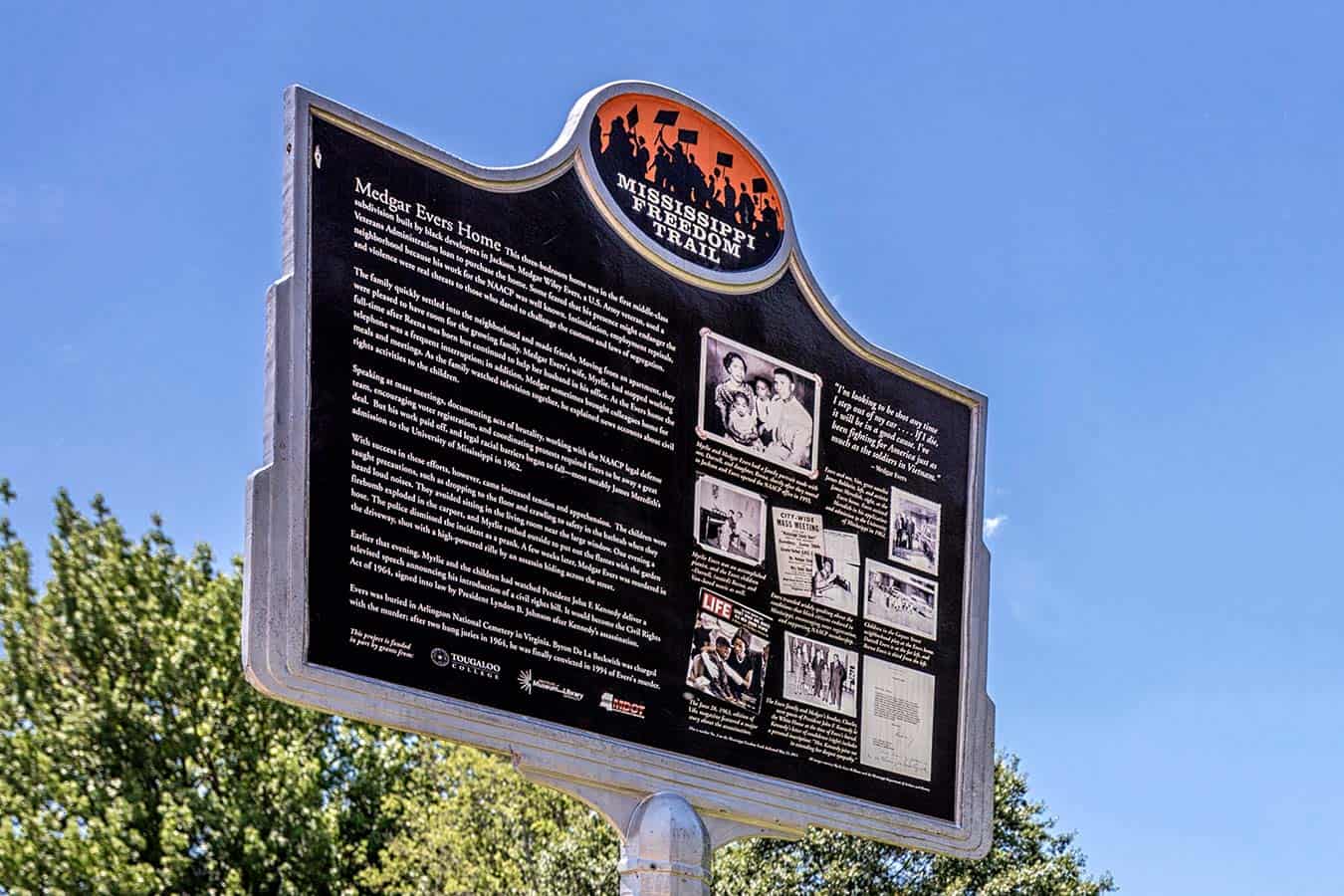
Quitman County is now listed in the Mississippi Delta National Heritage Area and on the Mississippi Freedom Trail, placing Marks and its civil-rights memory inside two of the state’s most visible preservation maps. The county’s status ties local history to a federal heritage area created in 2009 and to a state trail of 25 markers that points visitors toward people, places and events from the Civil Rights movement.
Congress created the Mississippi Delta National Heritage Area in 2009 to preserve, perpetuate and celebrate Delta heritage through collaboration and sustainable economic development. The legislation was signed into law as part of the Omnibus Federal Land Management Act of 2009, and President Barack Obama signed the act on March 30, 2009. Quitman County is one of the 18 counties in the alluvial floodplain that make up the heritage area, alongside places including Coahoma, Panola, Tallahatchie, Tunica and others across the Delta.
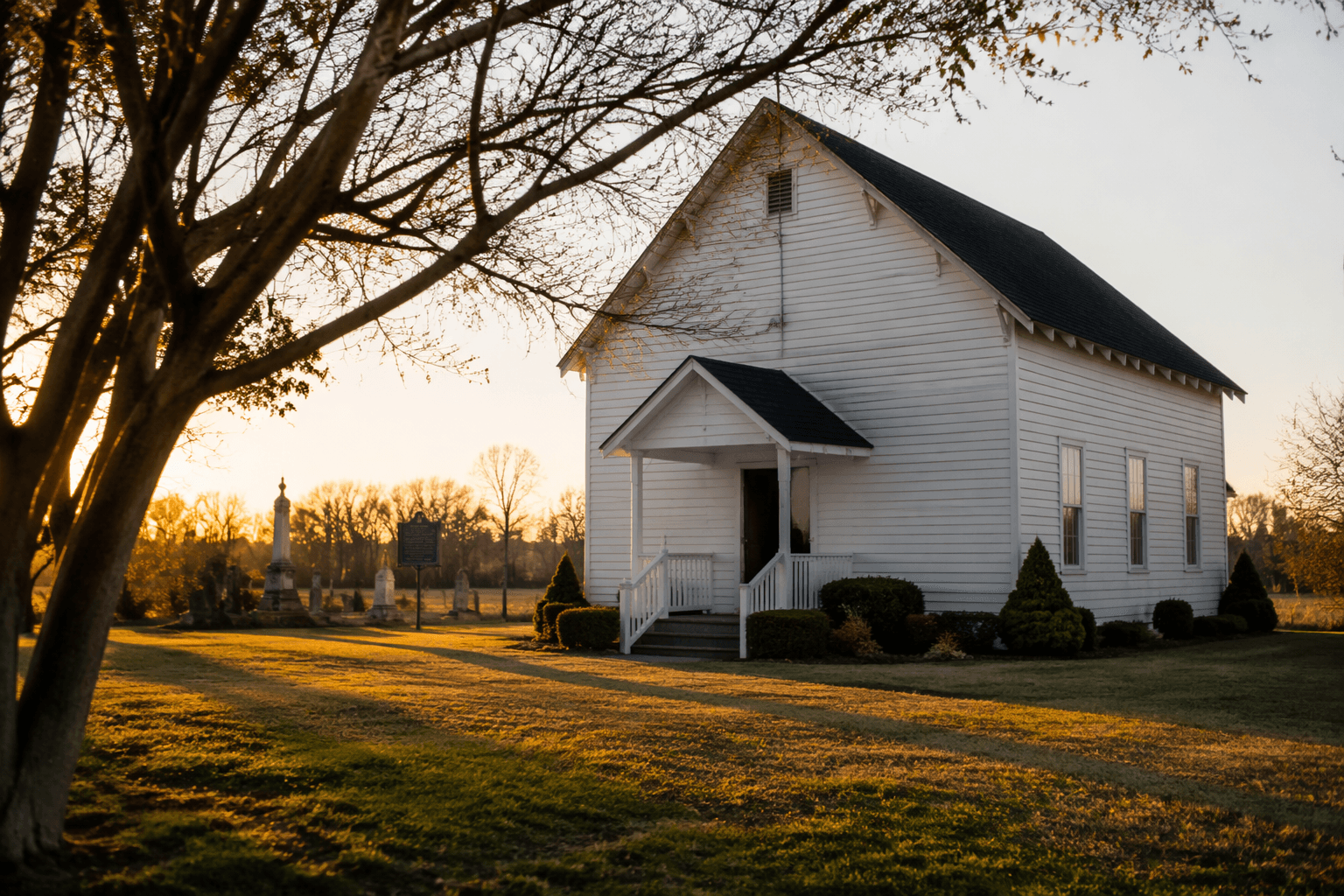
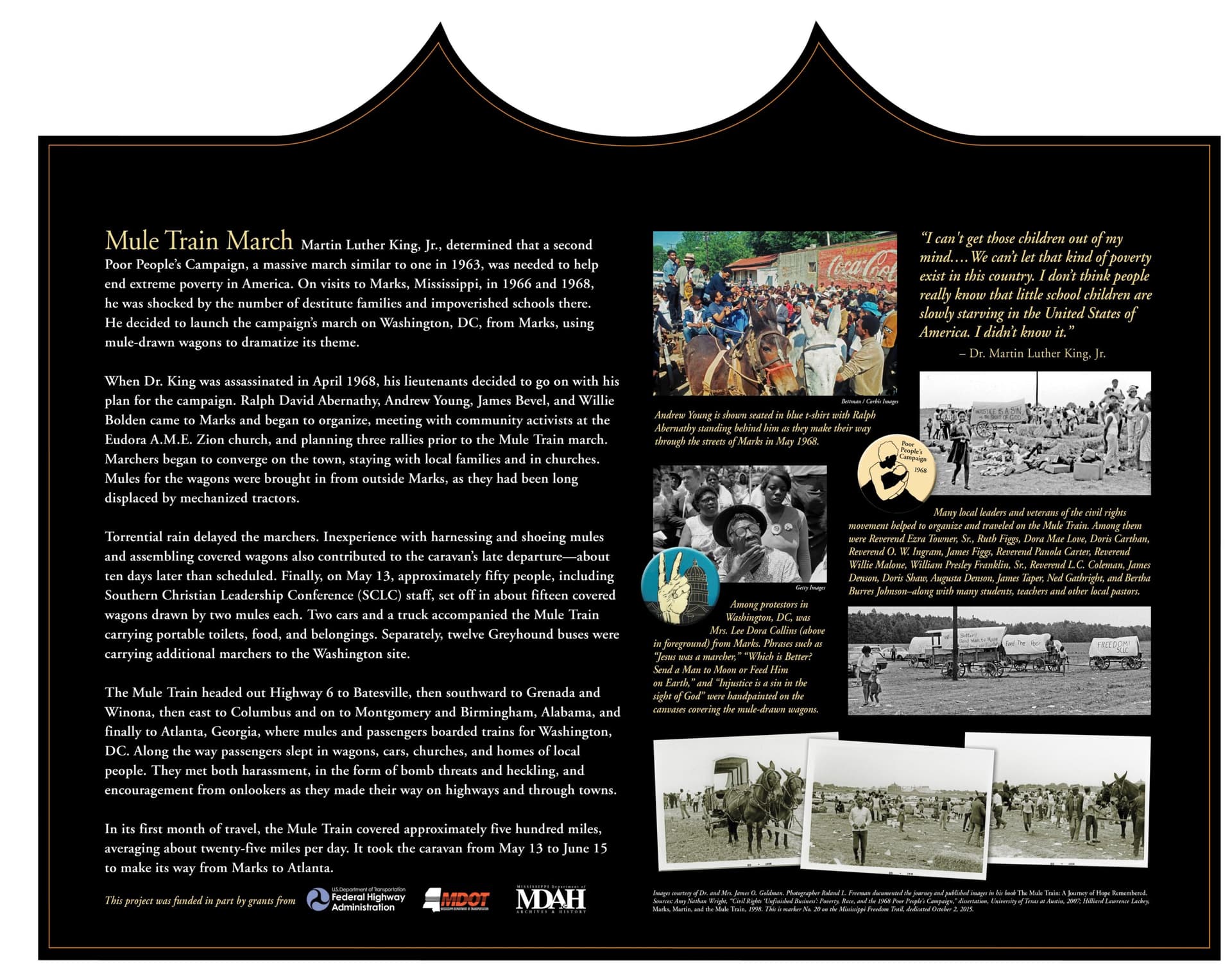
That designation matters in Quitman County because the story is not limited to farmland and county lines. Marks, the county seat, is part of the Mississippi Freedom Trail, which Visit Mississippi says was created in 2011 and now includes 25 markers statewide. In Quitman County, that trail connects directly to Dr. Martin Luther King Jr.’s 1968 visits to Marks and the wider county as he organized the Poor People’s Campaign to Washington, D.C.
The county’s Mule Train Interpretive Trail was created to cement those visits, the planning and the implementation of that organizing effort in local history. The project was funded by a 2018 National Park Service African American Preservation grant and carried out in partnership with Mississippi State University’s Carl Small Town Center. For people in Marks, the trail gives a physical place to connect King’s Delta work to the county’s own streets and public memory.
Quitman County’s civil-rights identity sits on top of an older local history as well. The county was established in 1877 from parts of Tallahatchie, Tunica, Panola and Coahoma counties, and Marks was named for Leopold Marks, the Jewish state legislator who introduced the bill to create the county. That layered history helps explain why the county’s heritage story reaches beyond one era or one site.
For families, students and churches, the county’s inclusion in the heritage area and Freedom Trail makes that history easier to see as part of daily life in Quitman County, not as something sealed away in a distant archive. The markers and the Mule Train trail turn Marks into a place where the Delta’s civil-rights story can still be read on the ground.
This article was produced by Prism’s automated news system from verified source data, official records, and press releases, then run through automated quality and moderation checks before publishing. The system is built and supervised by the people who set the standards it runs under. Read our full AI policy.
Did this article answer your question?