Quitman County Offers Outdoor Adventures, History, and Delta Culture Year-Round
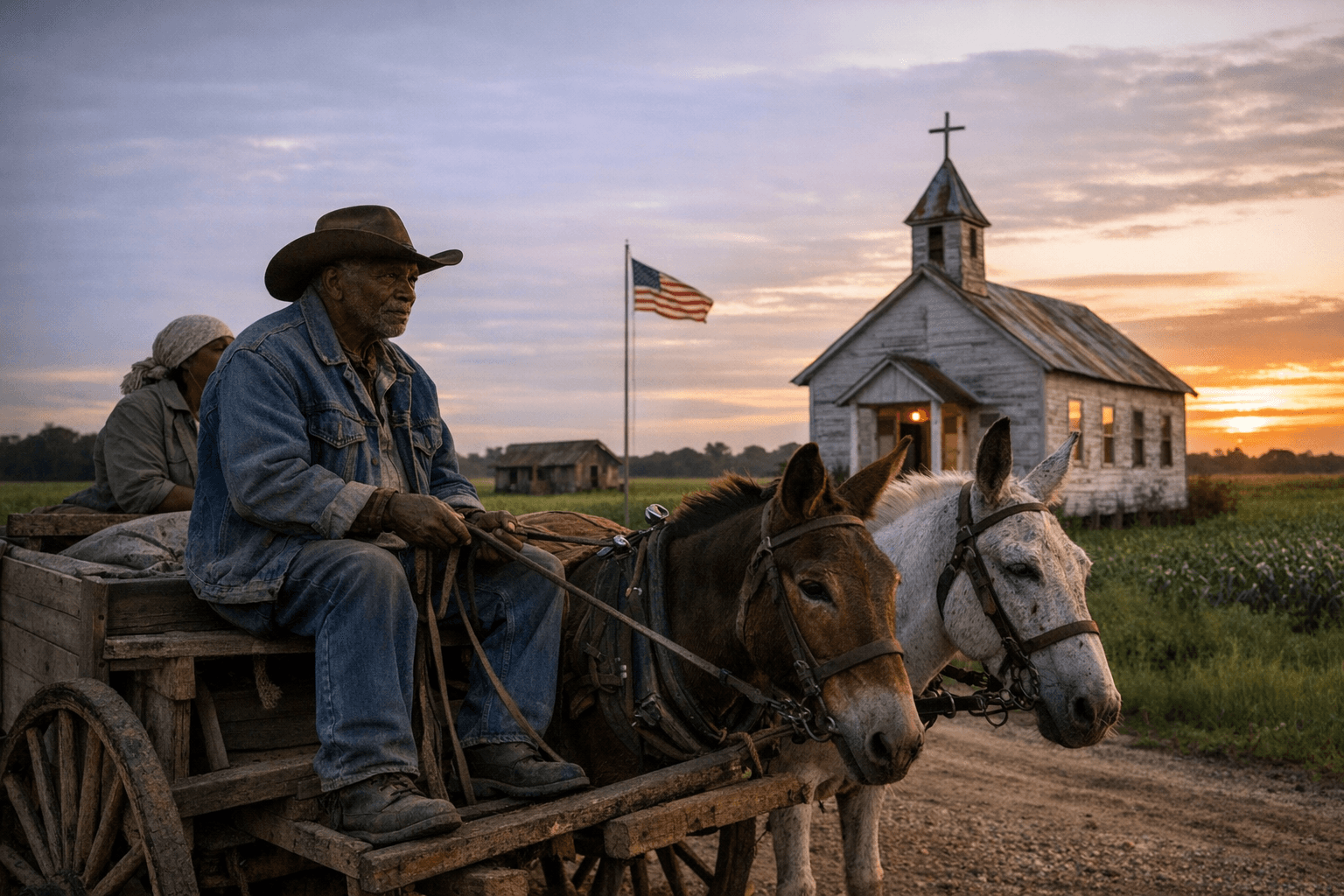
On May 13, 1968, 115 Quitman County residents left Marks on mule-drawn wagons for Washington, D.C. That same spirit of showing up still defines what this small Delta county offers.

Where the Delta Still Runs Deep
Marks sits at the center of Quitman County the way a courthouse square is supposed to: compact, walkable, and carrying more history per block than most places ten times its size. The county seat anchors a loop through Lambert, Crowder, and Falcon that can be done in a single ambitious day or stretched across a full weekend, with river access, migratory birding corridors, and a civil rights landmark that most Mississippians outside the Delta have never stood in front of.
This is a practical guide for making that loop count, town by town, with a few named stops and one detail per place worth sharing.
Marks: The Starting Point (and the Surprising Hook)
The surprising fact about Marks is this: on May 13, 1968, 115 Quitman County residents, ranging in age from eight months to 70 years old, climbed into more than a dozen mule-drawn wagons and left this town for Washington, D.C., as part of Dr. Martin Luther King Jr.'s Poor People's Campaign. That caravan, known as the Mule Train, traveled nearly 500 miles before the passengers and animals boarded trains in Atlanta bound for Virginia. King had chosen Marks specifically because of the entrenched poverty he witnessed here. The site of that departure, near the downtown courthouse area, is the single most historically significant starting point for any walking tour of the county seat, and the Mule Train 50th Anniversary project has documented the full story at muletrain50.quitmancountyms.org.
From there, the rest of downtown Marks is genuinely walkable. The Rosenwald School, built with funding from the Julius Rosenwald Foundation to provide Black students in the South with educational facilities, still stands and remains in use, a physical anchor for ongoing preservation conversations about Black educational history in the Delta. The Marks-Quitman County Library on Main Street keeps local event calendars and is one of the most reliable places to check for single-day community events, church fairs, and school sports schedules before you visit.
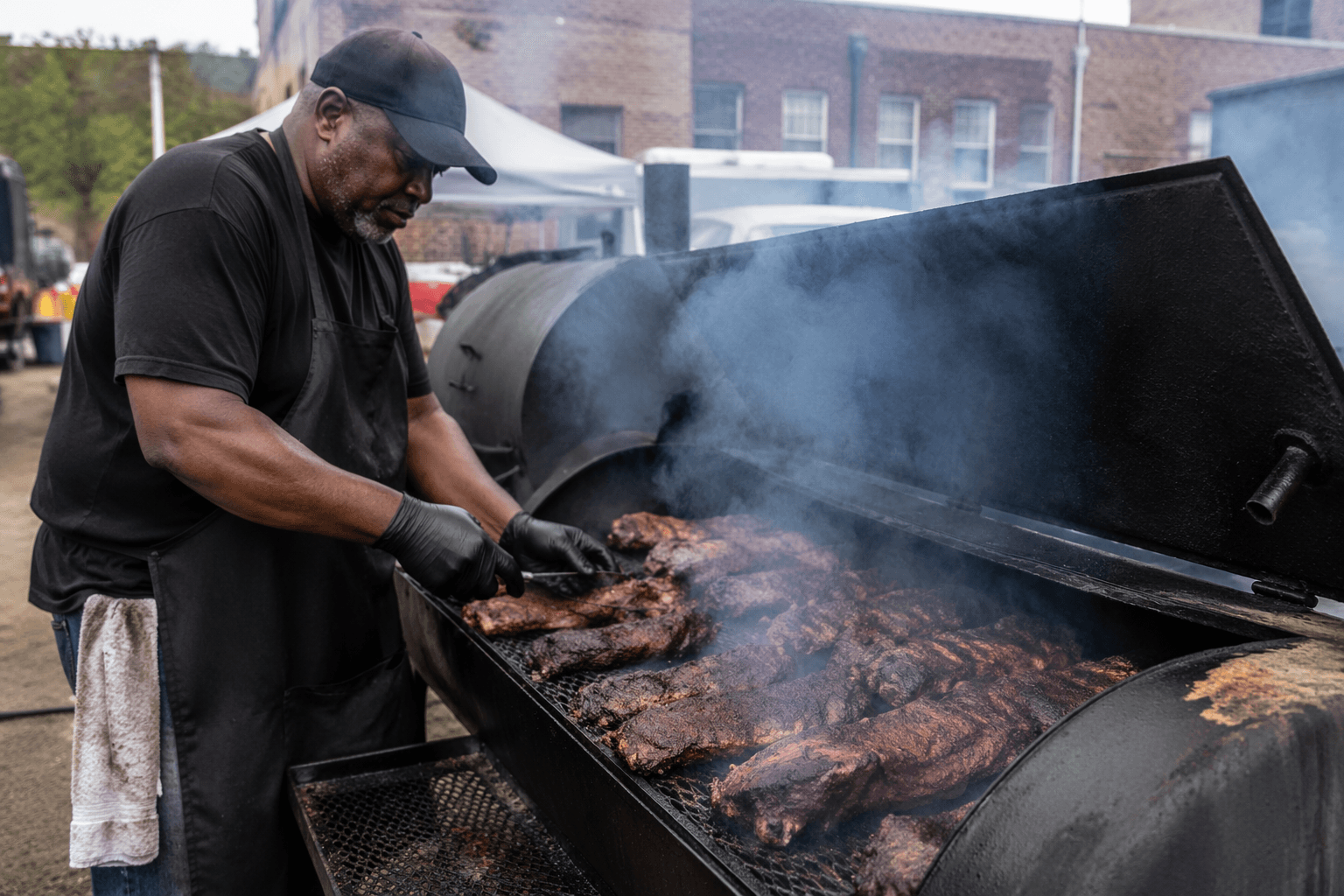
For food in Marks, Alice's Soul Food Restaurant is the locally named anchor for a sit-down meal, and Bumpers Drive-In handles the quick stop. Neither requires a reservation. The downtown cluster means you can park once and cover most of Marks on foot in 90 minutes.
Rain plan for Marks: The library, the Marks-Quitman County Library, is your covered option; staff are a genuine resource for local knowledge, and the building itself is a community hub. If you're here on a wet Saturday, this is where you orient the rest of the day.
Lambert: About 10 Minutes South, K&J Grill as Your Anchor
Lambert is a 10-minute drive from Marks along the county road network, and the specific hook is K&J Grill, a named local restaurant that functions as the practical lunch stop for anyone looping through the county's southern towns. Lambert sits in the heart of the Delta's prime birding and wetland corridor. The wetlands and public access points near the Marks-Lambert area draw migratory waterfowl and songbirds through multiple seasons, making this stretch of the county a legitimate destination for birders and nature photographers who want low-impact access without paying for a guided tour, though guided options exist for those who want them. Weekend mornings in the late fall migration window draw the most consistent birding activity. If you have binoculars and two hours, the wetland edges between Marks and Lambert are worth the stop even without a formal trailhead.
Rain plan for Lambert: K&J Grill is the covered stop; use the time to ask locals about current water levels on the Coldwater, which directly affects bass and crappie activity.
Crowder: The Industrial History Town
Crowder lies roughly another 10 to 15 minutes into the county loop and carries a distinct identity from its neighbors: it was historically Quitman County's industrial center. County records describe the town as home to multiple lumber operations, spoke factories, and a weekly payroll that once topped $10,000, the largest of any point in the county at the time. The Crowder Mercantile Company, owned by Fred M. Darnell, was the dominant commercial establishment, running a general merchandise operation that supplied the surrounding community across crop seasons. That layered economic history makes Crowder a meaningful stop for anyone interested in how small Delta towns once functioned as manufacturing hubs before regional consolidation hollowed them out.
Today, Crowder's draw for visitors is less about commerce and more about access. The county's network of backwater lakes and river approaches runs through this part of Quitman County, making Crowder a practical waypoint for anglers targeting bass, catfish, and crappie on the Coldwater River system. Bring your own gear; supplies are stocked back in Marks.
Rain plan for Crowder: Head back toward Marks along the county road and use the extra time for the Mule Train history walk or a longer stop at the library.
Falcon: The Outdoor Base at the Edge of the County
Falcon sits at the far end of the loop, and its value is almost entirely outdoors-oriented. Squirrel Lake Cabins and Gumbo Flats Hunting Lodge both operate in the Quitman County area and serve as the county's most specific overnight option for hunters and anglers who want to be close to the water. These are working Delta lodges, not boutique accommodations: bring your own cooler, confirm availability before you show up, and plan around their schedule rather than yours. Deer, waterfowl, and small game are the primary draws in season; the surrounding public and private land makes Falcon the right base if your weekend itinerary is built around early-morning hunts or dawn fishing runs rather than town-centered activities.
The Coldwater River is accessible from this part of the county as well, and paddlers who want a quieter stretch than the boat-ramp-heavy sections near Marks will find less traffic here. The Big Tallahatchie and Little Tallahatchie rivers are also within range for a paddling day trip.
Rain plan for Falcon: There is no covered visitor infrastructure here. If the weather turns, this is the part of the loop you skip or shorten, and you redirect toward Marks or the library in Lambert.
One Weekend, One Calendar Date Worth Anchoring To
The September Song Festival, held on the last Saturday of September in Marks, is the single best community event for timing a weekend visit. It draws former residents, local vendors, and visitors into Marks' downtown in a way that ordinary weekends simply do not, and it is the highest-probability moment to meet the people who actually run the small businesses, preservation projects, and outdoor guide services that make Quitman County worth visiting in the first place. Annual fairs and church events round out the calendar, but the September Song Festival is the one with a fixed date you can plan around.
For overnight stays, the county's lodging is limited: small motels and guest houses in Marks, cabins at the hunting lodges near Falcon, and the option of basing in Clarksdale or Greenville for more services while day-tripping into Quitman County. Weekend hours for local services are not always predictable, and bringing your own supplies for remote boat ramps or hunting grounds is standard practice.
Why the Loop Matters Beyond a Day Trip
Nature-based and heritage tourism are the most practical growth paths for a county like Quitman because both leverage existing assets: rivers, wetlands, a documented civil rights history, and a Rosenwald School that still stands. The investment required is modest, mostly signage, parking, and coordinated calendars between Marks businesses, the library, and regional partners in Clarksdale and Coahoma County. The county already has everything it needs for a two-day itinerary that would satisfy an angler, a birder, a history traveler, or all three in the same group. The Mule Train left Marks in wagons. The county's next chapter in visitor economy could leave with considerably less effort.
This article was produced by Prism’s automated news system from verified source data, official records, and press releases, then run through automated quality and moderation checks before publishing. The system is built and supervised by the people who set the standards it runs under. Read our full AI policy.
Did this article answer your question?