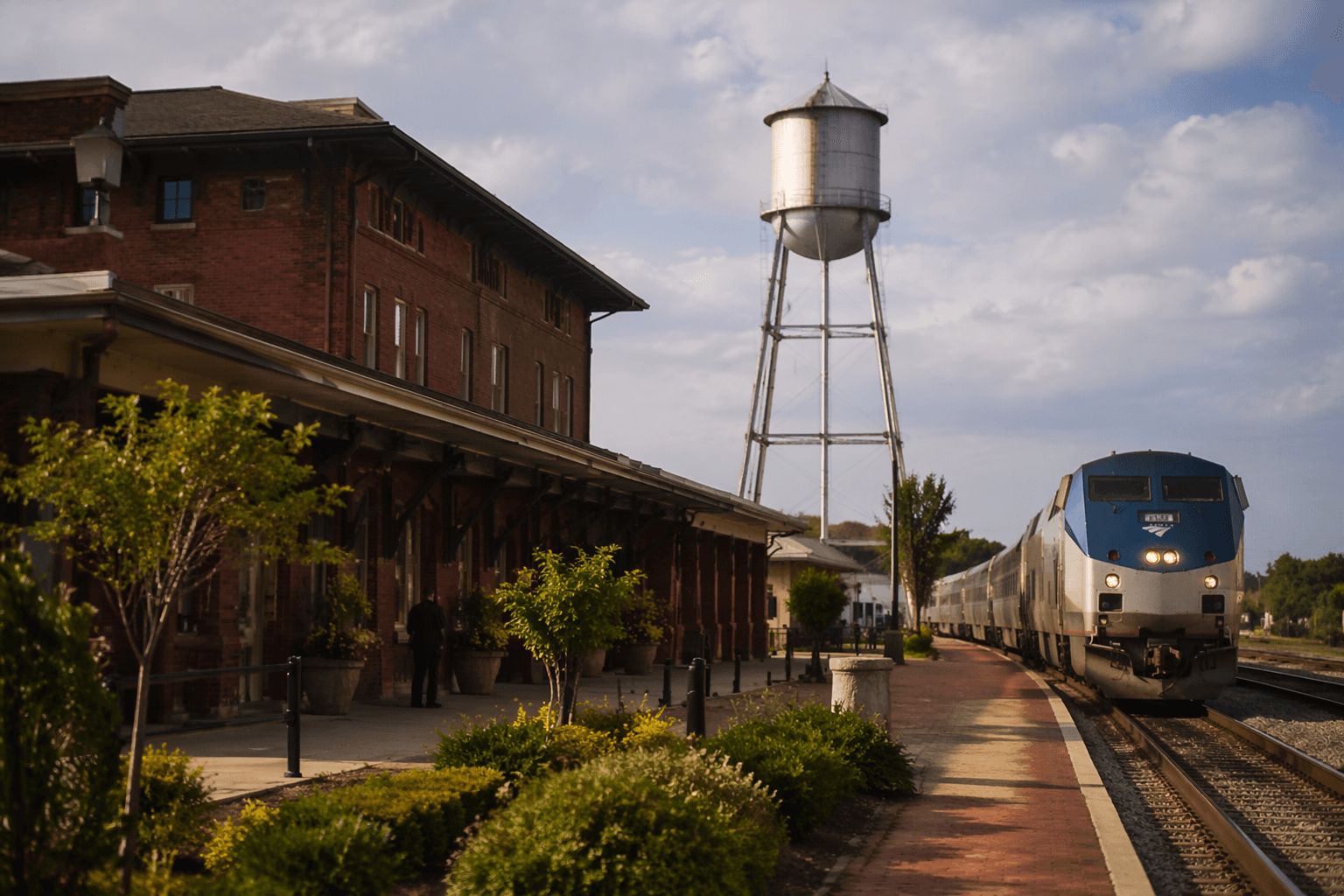
Riverside Oil Mill made Marks a soybean processing hub
Riverside Oil Mill turned Marks into more than a farming town, showing how soybean processing, rail access, and industrial bonds built local wealth in Quitman County.
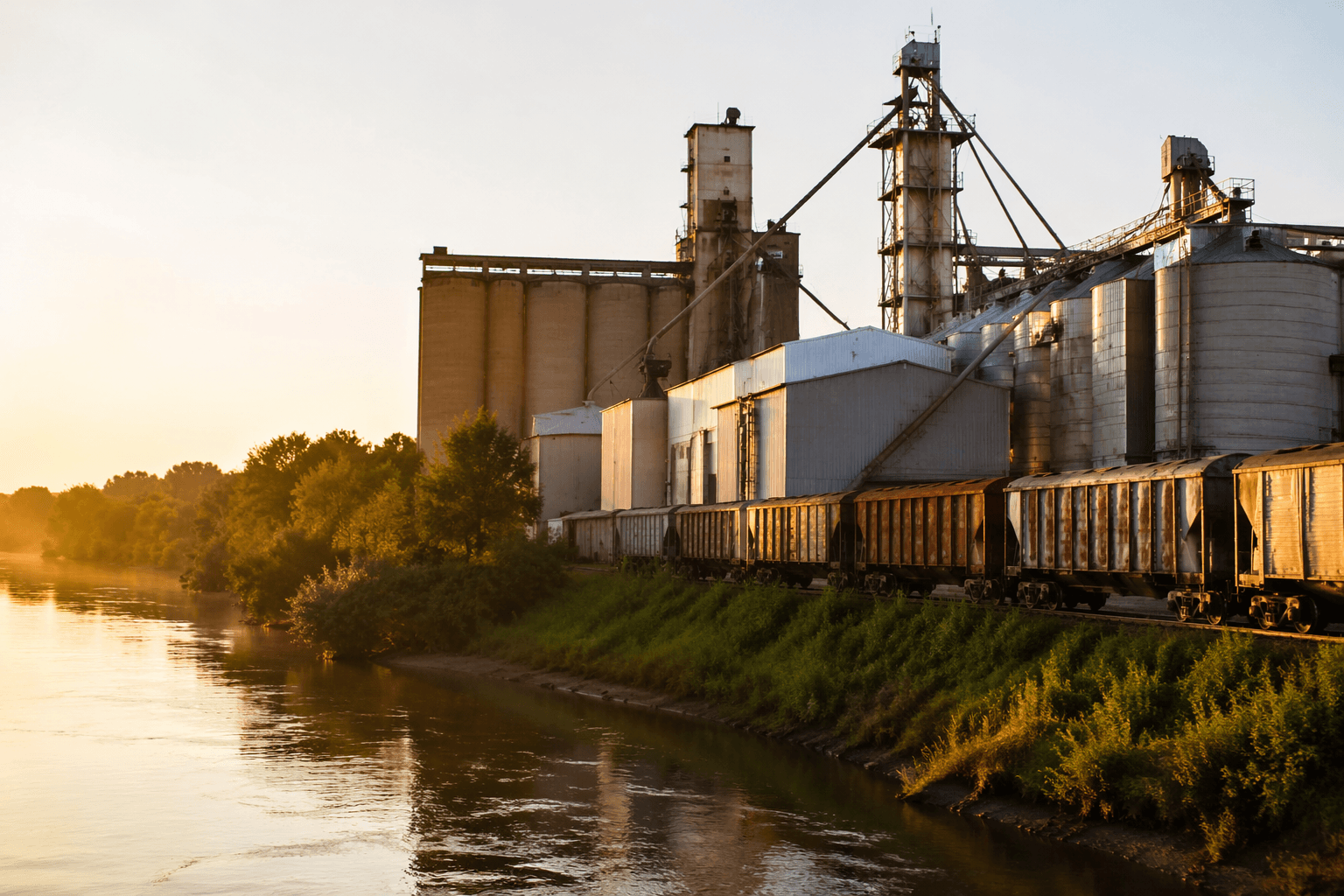
P.M.B. Self founded Riverside Oil Mill in Marks in 1941, and the plant turned soybeans into a local industrial engine tied to freight, jobs, and public development strategy. Its rise and decline frame a practical question for the county today: what parts of that processing-and-transport model still shape economic options in Marks?
Riverside Oil Mill and the business of processing
The plant quickly became one of the county’s clearest examples of agriculture moving beyond the field. By the 1960s, the mill had become one of the South’s early soybean crushers. In the county brochure, it is one of the region’s premier soybean crushing operations. Crushing soybeans locally kept more of the crop’s value in Quitman County instead of sending raw beans out of town for processing.
County history materials put Riverside Oil Mill’s capacity at 60,000 bushels a day, a figure that placed it among the largest crushers in the world. For a small Delta county with a 2020 population of 6,176 and a 2025 estimate of 5,364, that output anchored freight movement, payrolls, and related business activity.
Why soybeans became a bigger deal in Mississippi
Riverside Oil Mill did not appear in a vacuum. Mississippi State University’s Delta Research and Extension Center dates soybean research at the Delta Branch Experiment Station to 1913, when soybeans were first tested as a soil-building crop and as forage for hog pasture. Soybeans fit both farm management and livestock needs before later becoming a commercial commodity crop in their own right.
Mississippi State’s Extension Service puts state-average soybean yields at 21 bushels per acre in the 1980s, 26 in the 1990s, and 34 in the 2000s. As yields improved and soybeans became more important across Mississippi, the ability to handle large volumes locally became more valuable for growers, truckers, and rail users alike.
How rail made Marks a processing town
The railroad had the biggest impact on the development of Marks. Mississippi Highways 6 and 3 intersect in Marks, and the Illinois Central Gulf main line runs the length of the county. That combination of road and rail access helped make Marks a practical place to move farm products, industrial inputs, and finished goods.
The Kentucky-Tennessee Clay Company also used the readily accessible rail lines to build its mining and refining business. Riverside Oil Mill fit that same pattern: local industry clustered where freight could move efficiently. In a county where the rail corridor shaped settlement and commerce, the soybean crusher was part of a wider logistics economy built around the line running through the Delta.
Industrial bonds and public support for local industry
By the mid-1960s, Riverside Oil Mill appeared in a county industrial development arrangement. A Mississippi Supreme Court opinion states that Quitman County entered an expanded lease contract on August 26, 1966, using industrial revenue bonds to promote industry, trade, in-state agricultural products, and reduce unemployment. The arrangement shows local leaders treating processing capacity as an economic-development tool, not merely a private enterprise.
Industrial revenue bonds were a way to back the kind of infrastructure and plant investment that could keep local agriculture tied to local employment. In Riverside Oil Mill’s case, the public-finance record points to a county trying to use industrial policy to retain value from its own crop base. The goal was not simply to grow soybeans. It was to create the processing layer that could support work, commerce, and a broader tax base in Quitman County.
What remains visible in Marks today
The Marks Downtown Historic District is a cohesive collection of early- to mid-20th-century commercial, agricultural, transportation, and governmental buildings. That mix reflects the same economy Riverside Oil Mill helped define: farm production connected to freight, storage, trade, and public institutions in one central place.
Quitman County’s current tourism materials place Marks within a broader heritage landscape that includes the Mule Train and the Marks Historic District. The same transportation corridors and downtown structures served a soybean crusher and help explain how Marks developed as a commercial center built around processing and shipping as much as planting and harvesting.
This article was produced by Prism’s automated news system from verified source data, official records, and press releases, then run through automated quality and moderation checks before publishing. The system is built and supervised by the people who set the standards it runs under. Read our full AI policy.
Did this article answer your question?