Savoy Hotel highlights Marks’ rail history and downtown heritage
The Savoy Hotel could turn Marks’ rail-era past into a usable visitor asset, with overnight lodging, a Charley Pride museum, and a downtown anchor near Amtrak.
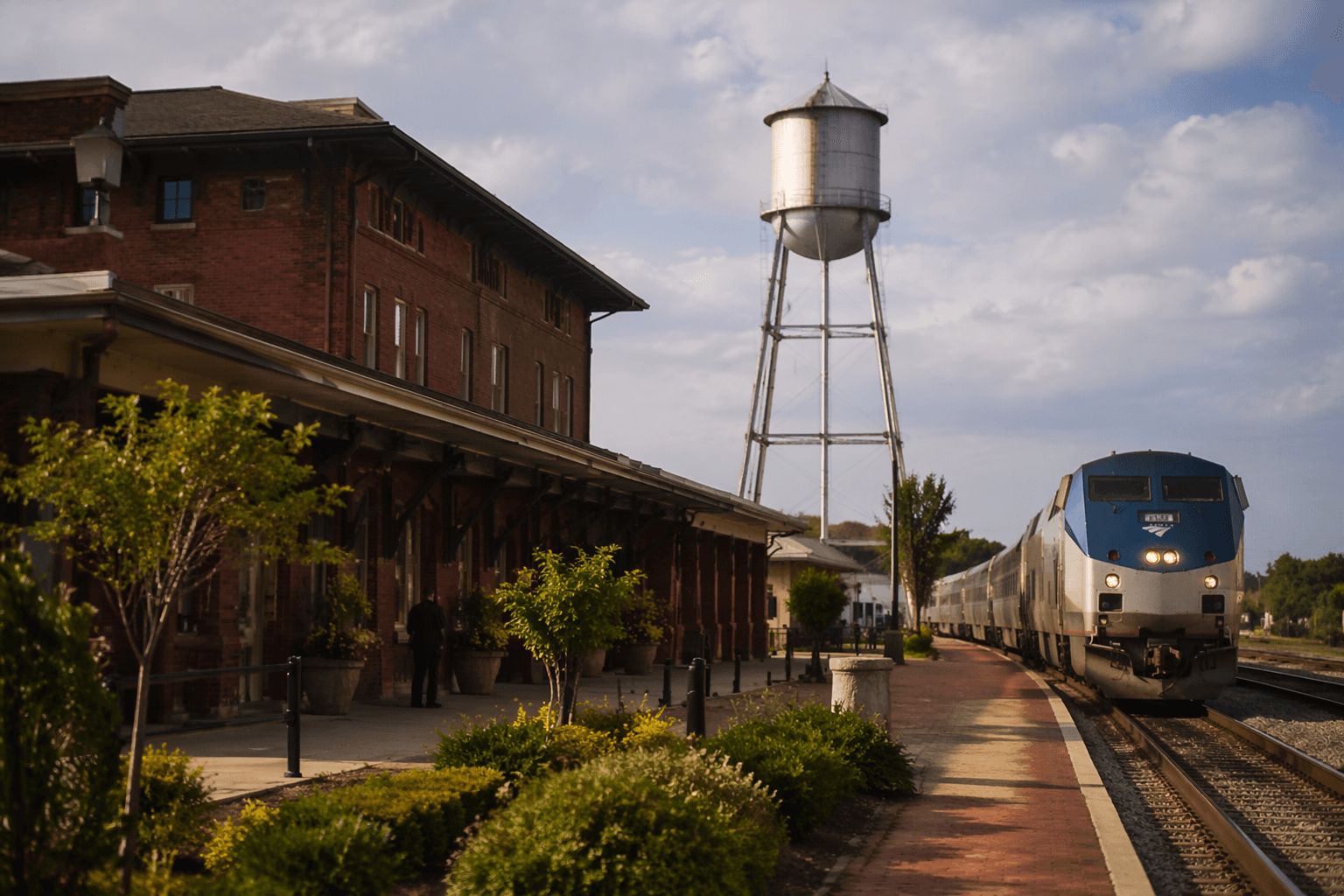
The Savoy Hotel sits at 100 East Main Street as one of the clearest links between Marks’ rail past and its downtown future. Quitman County describes the building, later called the Marks Hotel, as a structure that reflects the heyday of train traffic in Marks, which makes it more than a preserved facade: it is a surviving marker of how the town’s economy once moved with the railroad.
A rail-era building in a historic downtown
The Savoy belongs to a downtown landscape that is now formally recognized as historic. Marks Downtown Historic District received certification from the National Park Service on March 15, 2024, and the district is listed on the National Register of Historic Places, the nation’s official list of cultural resources worthy of preservation. The district covers roughly one square mile and includes 88 buildings and structures, with 67 contributing resources and 21 non-contributing resources.
That scale matters because the Savoy is not an isolated landmark. It sits inside a district shaped by early to mid-20th-century commercial, agricultural, transportation, and governmental buildings, the same mix that gave downtown Marks its original working character. The county’s historic district materials also note that the district’s listed historic functions include hotels, transportation facilities, and commercial buildings, which puts the Savoy in direct conversation with the rest of Main Street rather than apart from it.
What the Savoy can become next
Quitman County’s brochure lays out a practical reuse plan for the old hotel: the building is planned to become the Charley Pride Museum & Hotel. The concept is not limited to a commemorative plaque or a single exhibit room. It calls for lodging, a lobby, a coffee shop, and a small museum focused on Charley Pride’s life and memorabilia.
That mix is important for a small downtown because it gives the building several jobs at once. A hotel room brings overnight guests. A lobby and coffee shop create reasons for people to stop in without booking a room. The museum gives school groups, family visitors, and music fans a specific place to spend time, learn, and move through downtown.
The brochure says the renovated property would fill a “great need” in Marks by providing overnight lodging for visitors. That need is easy to understand in a town with heritage assets but limited places for travelers to stay. The same brochure estimates Phase 2 of the project will cost between $2.5 million and $3 million, and Quitman County’s documents page now lists a formal Scope of Work for Phase III, showing the project has moved beyond a simple concept into an active development process.
Why the rail connection still matters
The Savoy’s story only makes sense when placed beside the station on Cherry Street. Amtrak says the Marks station has had City of New Orleans service since 2018, restoring passenger rail access to the town after years without it. Quitman County says southbound train No. 59 stops in Marks around 8:00 a.m. CST, while northbound train No. 58 stops around 8:30 p.m. CST.
Those train times shape the practical value of a place like the Savoy. Morning arrivals can feed coffee sales, day trips, and museum visits. Evening arrivals create a case for overnight lodging rather than a same-day departure. In a town where the station, downtown historic district, and former hotel all sit within the same visitor footprint, the reuse of one building can do more than preserve memory: it can capture the travel flow that already exists.
The county’s planning materials connect the Charley Pride museum-hotel idea to the Amtrak stop, local festivals, and civil-rights sites, which reinforces the point that the building is part of a broader heritage-tourism circuit. The Savoy is not being framed as a standalone attraction. It is being positioned as a place where rail history, music history, and downtown walkability can meet.
What visitors can learn there now
The strongest case for the Savoy is educational. A school class or a family visiting Marks can learn how rail service shaped settlement, business, and the physical form of downtown. The building gives teachers a concrete example of how passenger trains affected the way Main Street developed, why hotels clustered near transit, and how transportation buildings became part of the town’s commercial core.
That lesson is strengthened by the historic district around it. With 88 buildings and structures spread across about one square mile, the district lets visitors compare the Savoy with other downtown resources instead of treating it as a one-off landmark. The district’s 67 contributing resources also show that Marks still has a substantial cluster of buildings that help tell the same story of trade, travel, and local government.
- the former hotel itself, as a rail-era survivor on East Main Street
- the downtown district, with hotels, commercial buildings, and transportation-related sites
- the Amtrak station on Cherry Street, which keeps passenger rail part of the town’s present
- the Charley Pride museum concept, which ties local heritage to a nationally known name
A stop at the Savoy could therefore offer a short but meaningful tour:
How the building could affect Main Street in the near term
The near-term effect is not a sweeping redevelopment story. It is smaller and more measurable: more reasons for people to get off the train, stay one night, buy coffee, and walk between downtown blocks. In a town like Marks, even modest increases in foot traffic can matter because each building carries more weight than it would in a larger city.
The Savoy’s location makes that especially plausible. East Main Street is close enough to the district’s historic core and the Cherry Street station to keep a visitor moving through downtown rather than around it. If the hotel opens as planned, it can help turn a train stop into an overnight stay and a museum visit into a Main Street walk.
The building’s value, then, is not abstract preservation for its own sake. It is a test case for whether one carefully reused structure can help a small county tell its rail history, preserve a recognizable downtown face for local students, and put a few more people on Marks’ sidewalks in the same trip. The Savoy’s next chapter will matter precisely because it is so rooted in the one thing heritage tourism often needs most: a real place with a real story, still standing where that story happened.
This article was produced by Prism’s automated news system from verified source data, official records, and press releases, then run through automated quality and moderation checks before publishing. The system is built and supervised by the people who set the standards it runs under. Read our full AI policy.
Did this article answer your question?