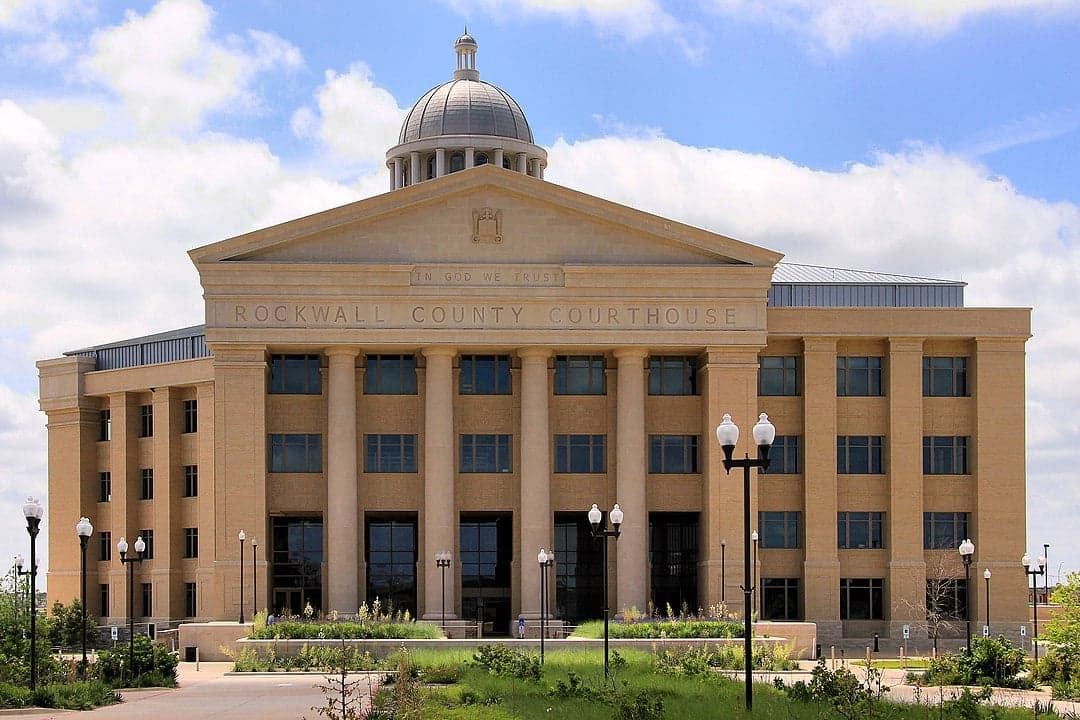
Wavering Returns as REDC President to Diversify Rockwall Tax Base
Wavering returned to lead the REDC, promising to accelerate commercial projects and diversify Rockwall's tax base to ease pressure on residential property owners.
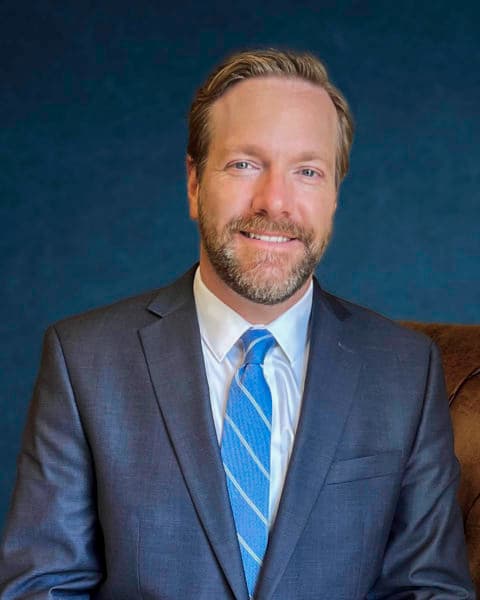
Matt Wavering returned to the Rockwall Economic Development Corporation as president in January 2026, signaling a renewed push to broaden the county’s tax base through commercial attraction and infrastructure-focused development. The REDC announced the leadership change on January 22, 2026 after Phil Wagner stepped down at the end of 2025.
Wavering previously served as REDC vice president beginning in 2017, where he worked on strategic land acquisitions and infrastructure projects that helped position Rockwall for larger commercial opportunities. He most recently served as Director of Economic Development for the City of Fate before accepting the REDC presidency effective January 2026. REDC board leadership and Rockwall city management have framed his return as a move to sustain business recruitment and reduce reliance on residential property tax growth.
For Rockwall residents the stakes are practical. Continued housing expansion has increased demand for public services and infrastructure, raising pressure on property tax revenues and municipal budgets. A diversified tax base with more commercial and industrial parcels can steady local finances by boosting commercial property tax receipts and sales tax collections, and by spreading the cost of public services across a broader revenue mix. Wavering’s background in commercial real estate and experience with land deals and infrastructure gives him direct experience in the levers that can change that mix.
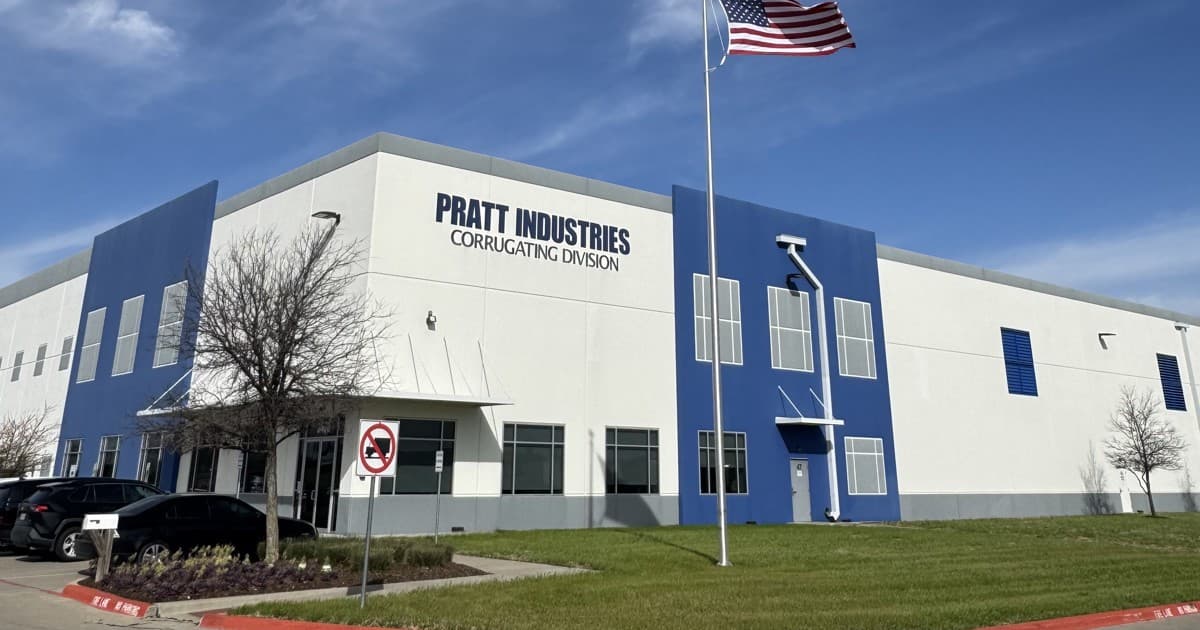
The near-term agenda will likely center on identifying shovel-ready sites, aligning utility and road improvements, and refining incentive packages for employers. Coordination between the REDC and Rockwall city management will be critical, because zoning, permitting timelines, and capital improvements determine whether projects close and generate the targeted tax revenue. Competition with neighboring cities for distribution centers, retail, and light manufacturing means speed to market and clear infrastructure plans will be central to success.

Risks remain. Attracting commercial tenants requires upfront public investment and sometimes tax incentives that can take years to produce net revenue gains. There is also a balancing act between encouraging commercial growth and preserving the quality-of-life features that drew residents to Rockwall County. Effective oversight of incentives, transparent public reporting on project projections, and targeted workforce development will shape whether new deals deliver the promised fiscal relief.
Wavering’s return offers continuity in institutional knowledge and a leadership profile focused on land and infrastructure solutions. For residents, the practical next steps will be tracking upcoming REDC announcements, public meetings on specific projects, and how city officials adjust budgets or tax-rate assumptions as new commercial activity arrives. The outcome will influence property-tax dynamics and local services for years to come.
This article was produced by Prism’s automated news system from verified source data, official records, and press releases, then run through automated quality and moderation checks before publishing. The system is built and supervised by the people who set the standards it runs under. Read our full AI policy.
Did this article answer your question?