Bath-built USS Mason helps repel Iranian attack in Strait of Hormuz
A Bath-built destroyer was in the fight again in the Strait of Hormuz, where U.S. forces intercepted missiles and drones while guarding oil shipping.
A destroyer built on the Kennebec River was back in combat this week, helping fend off an Iranian attack in one of the world’s most dangerous shipping lanes. USS Mason, built by Bath Iron Works in Bath, fired in response as missiles, drones and small fast-attack boats threatened U.S. warships escorting commercial traffic through the Strait of Hormuz.
The action tied Sagadahoc County to a clash with major stakes far beyond Maine. The Strait of Hormuz is a critical chokepoint for global energy supplies, and reporting this week said Mason and USS Truxtun were part of a U.S.-led mission called Project Freedom to keep vessels moving through the passage. U.S. officials said American helicopters destroyed seven Iranian small boats, while Apache helicopters and other aircraft supported the destroyers. U.S. Central Command said no U.S. ships were struck.
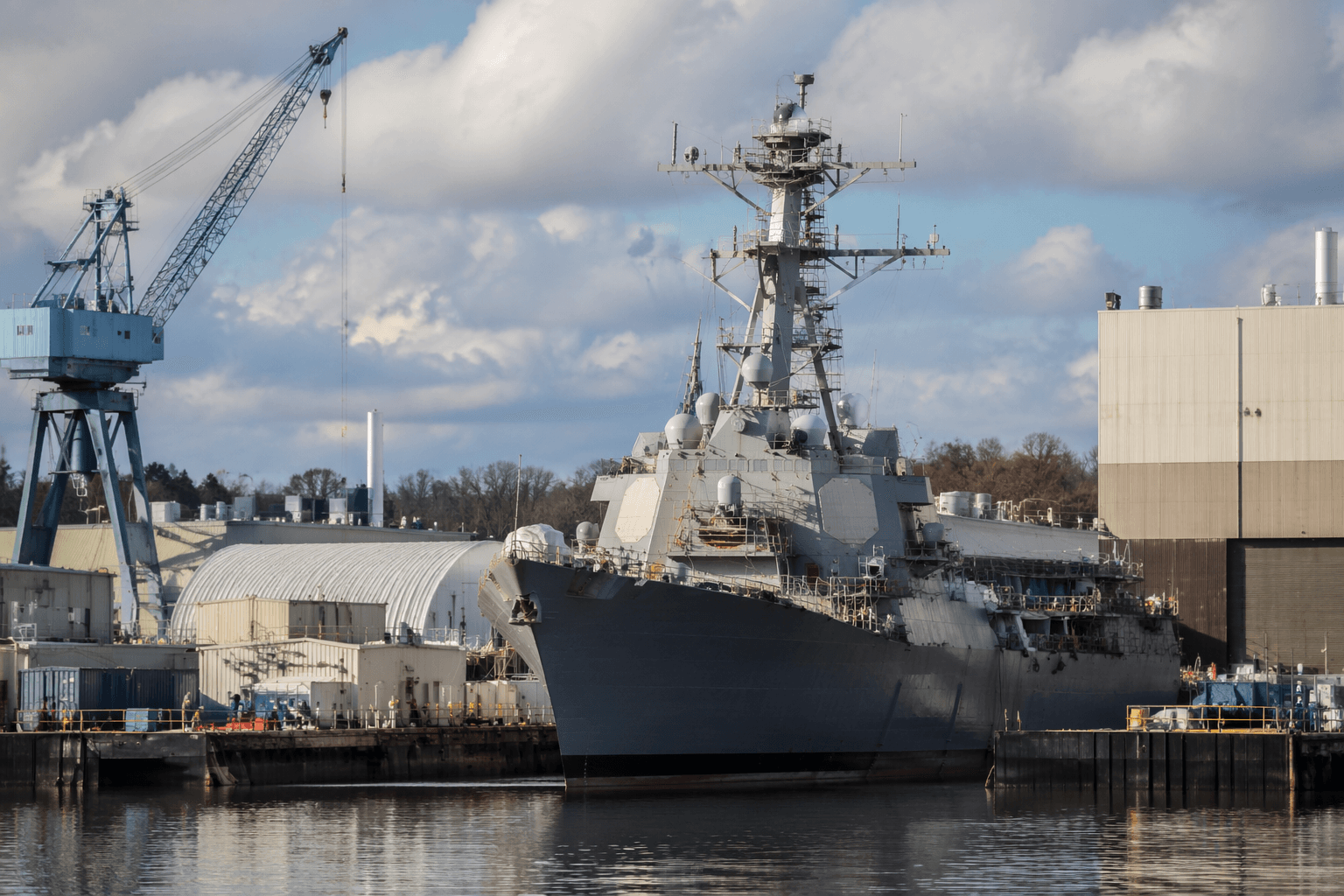
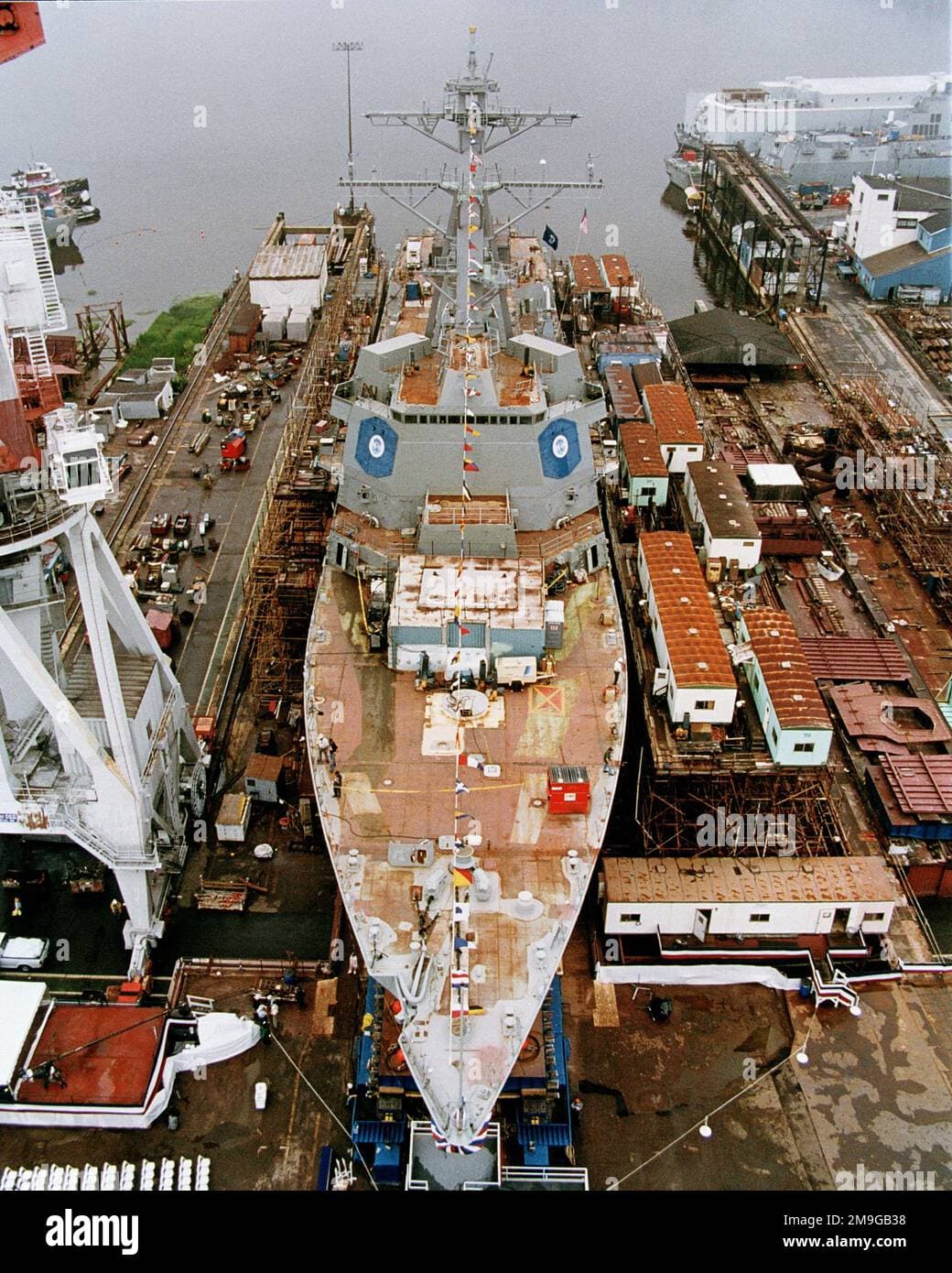
For Bath Iron Works, the Mason’s role underscored why the yard’s ships remain central to the Navy’s fleet. The Arleigh Burke-class guided-missile destroyer is the third Navy ship to carry the Mason name and the 37th ship in its class. Navy records show the keel was laid Jan. 20, 2000, the ship launched June 23, 2001, delivered Nov. 22, 2002, and commissioned April 12, 2003. The ship’s homeport is Mayport, Florida, but its construction history still begins in Bath.
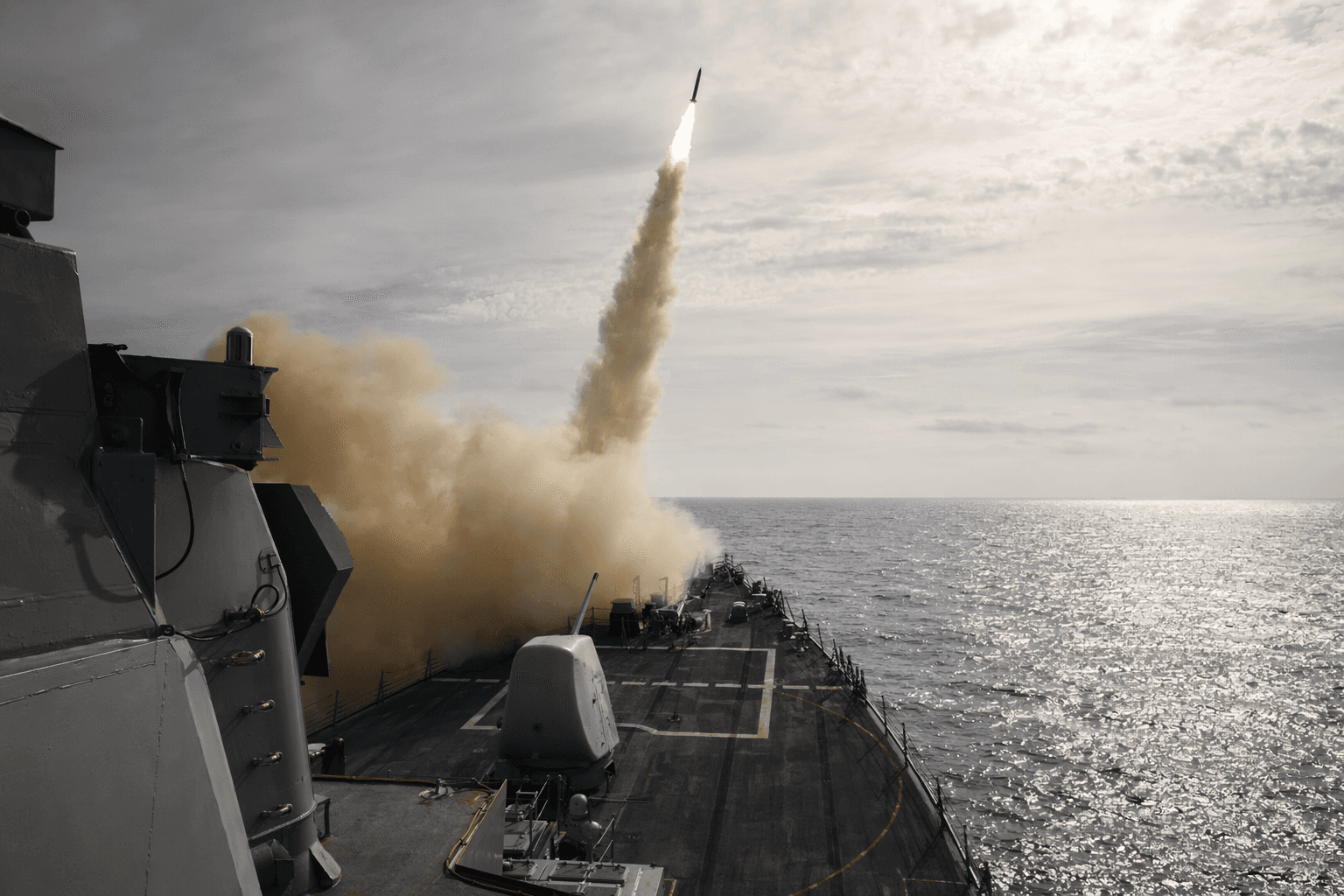
The Mason also arrived in this fight with a combat record already on its résumé. In October 2016, the destroyer was targeted by multiple cruise-missile attacks in the Red Sea off Yemen. The Navy later described that episode as the first real-world air-threat defense in Aegis Combat System history, after the ship fired SM-2 and Evolved SeaSparrow Missile interceptors to defend itself. Then-Chief of Naval Operations Adm. John Richardson praised the crew at the time for responding quickly and decisively.
This week’s confrontation added fresh weight to that legacy. U.S. officials said the Iranian attack involved missiles, drones and small boats, and President Donald Trump said the American response caused severe damage to the attackers. With tensions still fragile around the Strait of Hormuz, the Mason’s presence again showed that a destroyer built in Bath can still sit at the center of a fight over global trade, military deterrence and the security of the world’s oil routes.
This article was produced by Prism’s automated news system from verified source data, official records, and press releases, then run through automated quality and moderation checks before publishing. The system is built and supervised by the people who set the standards it runs under. Read our full AI policy.
Know something we missed? Have a correction or additional information?
Submit a Tip