Bath historic homes tour adds library, Masonic Temple and churches
Bath’s homes tour widened to the Patten Free Library, the Masonic Temple and three churches, turning a summer outing into preservation funding downtown.
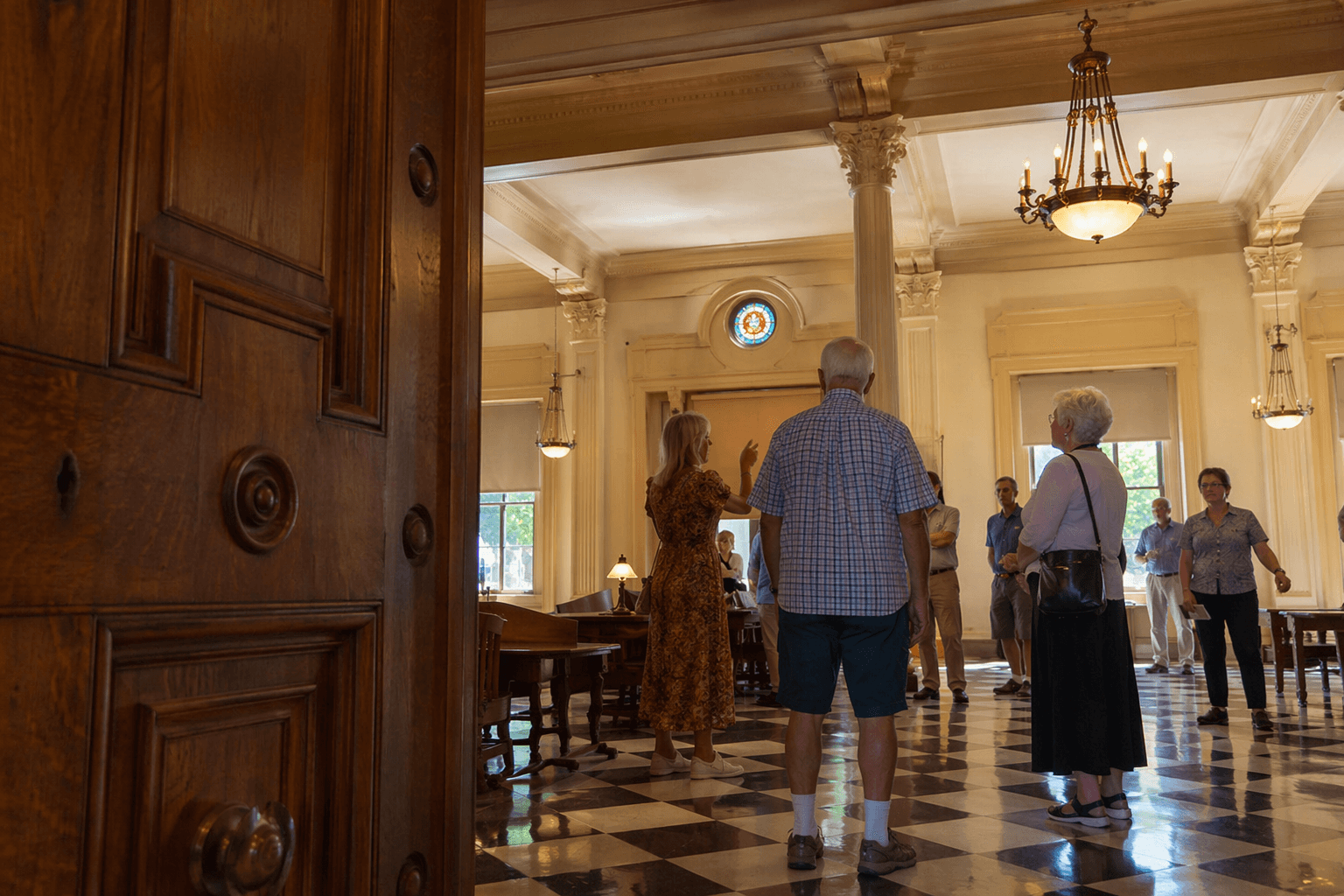
Bath’s historic homes and gardens tour put the city’s preservation pipeline on display Saturday, bringing visitors into up to a dozen sites in the Historic District along the Washington Street corridor. This year’s 24th annual tour expanded beyond private houses and gardens to include the Patten Free Library, Bath’s Masonic Temple and three historic houses of worship, along with behind-the-scenes access at the Chocolate Church and Winter Street Center.
Sagadahoc Preservation, Inc. said the self-guided tour ran from 10 a.m. to 2 p.m. and was offered rain or shine. Advance tickets were $40 and day-of tickets were $45, with all purchases non-refundable; tickets were picked up at the Winter Street Center, 880 Washington Street. The organization said proceeds support preservation of Bath’s architectural heritage, especially the Winter Street Center.
The event was designed as more than a stroll through handsome old houses. SPI said the tour highlighted several of Bath’s signature architectural styles, including Federal, Greek Revival and Italianate, and gave a closer look at the buildings that still anchor civic life in the downtown historic district. Montsweagers performed live, adding another local layer to a day built around the city’s built environment and the people who keep it in use.
The preservation story behind the tour reaches back to 1971, when SPI was founded to save the Winter Street Congregational Church from demolition. The building, now the Winter Street Center, was built in 1843 in the American Gothic Revival style by Anthony Coombs Raymond. Since then, SPI has restored the Chocolate Church and played a major role in preserving Bath’s 19th-century downtown and its two federally designated National Register Historic Districts.
The tour also tied in another cornerstone of civic history. The Patten Library Association was founded in 1847, and the current Patten Free Library building was made possible by a $10,000 gift from Galen C. Moses, who required that the library remain free to Bath citizens. Designed by George Edward Harding and completed around 1890, the building remains a working part of the downtown fabric, with its history room and local archives still serving researchers and genealogists.

Bath’s historic district covers about 300 acres, spanning the 19th-century business district and adjacent neighborhood in a city long known as one of the nation’s important shipbuilding centers. By opening landmark buildings to the public, the tour connected that legacy to the cost of maintaining it, while keeping the city’s history visible, usable and financially supported.
This article was produced by Prism’s automated news system from verified source data, official records, and press releases, then run through automated quality and moderation checks before publishing. The system is built and supervised by the people who set the standards it runs under. Read our full AI policy.
Did this article answer your question?