Bath’s Percy & Small Shipyard preserves America’s only wooden shipyard
Bath’s Percy & Small Shipyard is the only surviving large wooden shipyard in the United States, and its slips, shops and schooner story make history feel on site.

Bath’s Percy & Small Shipyard gives Maine Maritime Museum a claim no other place in the country can match: it is the only surviving shipyard site where large wooden sailing vessels were built. That single fact makes the visit different from a standard maritime exhibit, because the story is not confined to display cases. Visitors move through the actual shipyard landscape along the Kennebec River in Bath, where the structures, work spaces and shoreline settings still frame the history of the city’s shipbuilding era.
What makes the site singular
The museum sits on a 20-acre campus in Bath, a city long known as the “City of Ships,” and Percy & Small is the part of that campus that turns the nickname into a physical experience. Founded in 1962, the museum preserves the country’s only surviving shipyard where large sailing vessels were once built, so the setting itself is the artifact. That gives the site an outsized place in American maritime history, because it shows shipbuilding not as a memory, but as a place that can still be walked.
For Sagadahoc County residents, that matters in a practical way. It is one of the clearest places in Bath to bring visitors who want to understand why the city grew around the river, the shipyards and the labor that connected the two. The site also helps explain why Bath’s shipbuilding past remains one of the county’s strongest cultural assets, not just a chapter in a local history book.
How the visitor route works
The experience begins in the Maritime History Building and continues through four shipyard buildings, wharves, building slips and related structures. That sequence matters because it follows the path of work, from the interpretation of maritime history into the spaces where ships were actually built. Instead of a single gallery devoted to ship models or paintings, the campus lets you trace the physical footprint of a working yard.
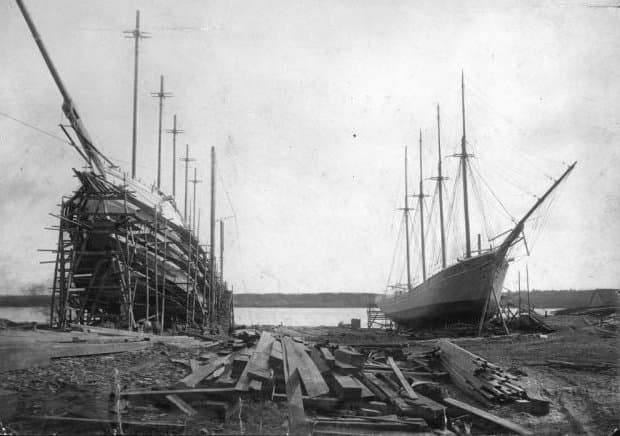
The layout gives the visit a rare kind of immediacy. Wharves and building slips show where large hulls once sat against the river, while the surrounding shipyard buildings help anchor the story in the daily tasks that made wooden ship construction possible. That mix of preserved structures and open-air features is what separates Percy & Small from a conventional museum stop, especially for people trying to picture how Bath’s waterfront once functioned at industrial scale.
The schooners at the center of the story
At the heart of the exhibit is the six-master Wyoming, which the museum identifies as the largest wooden vessel built in the country. The schooner gives the site a specific focal point, because it ties Bath’s shipbuilding legacy to a record-setting vessel rather than an abstract era. The larger story includes the four-, five- and six-masted schooners built during the 1894 to 1920 period, when the yard was part of a major chapter in American sailing-ship construction.
Those vessels help explain why Percy & Small carries so much weight. Large wooden schooners were not background craft; they were engineering achievements that required specialized labor, large crews of builders and carefully organized shop spaces. Seeing that history on the ground makes the scale of the work easier to grasp than any wall text alone could.

The shipbuilding process made visible
One of the site’s strongest features is the way it interprets the shipbuilding process through named work areas. The mould loft, oakum shed, paint and treenail shop, and mill and joiner shop each point to a different stage in construction and finishing. Together, they show how many trades had to come together before a vessel like Wyoming could leave the ways and head into the river.
That detail is what makes the site especially useful for visitors who want more than a scenic waterfront stop. The mould loft shows the planning side of the craft, while the oakum shed, paint and treenail shop, and mill and joiner shop bring the labor and finishing work into focus. The result is a rare chance to see shipbuilding as a system of interlocking spaces rather than a single heroic event.
What else to see on the campus
The broader campus adds the Donnell House, a Victorian shipbuilder’s home, and a working blacksmith forge. Those features widen the story beyond the shipyard itself and help connect the industry to the people and households shaped by it. The Donnell House adds the domestic side of Bath’s shipbuilding world, while the forge brings another essential trade into view.
That combination gives the museum extra value for local outings and out-of-town guests alike. It is one place where the history of labor, industry and daily life can be seen together, without having to piece the story together from separate sites across the city. For anyone trying to show why Bath mattered, the campus offers a compact answer rooted in place.
When to go and what to expect
Docent-guided tours of the shipyard run daily from Memorial Day to Indigenous Peoples’ Day at 11:00 am and 1:00 pm. Those tours give the best frame for understanding how the buildings, slips and surviving structures fit together, especially for first-time visitors. The schedule also makes the site easy to plan around, whether you are visiting on your own or bringing family, friends or summer guests through Sagadahoc County.
Because the experience is built around the actual shipyard landscape, it rewards unhurried attention. The more time you spend with the structures, the easier it is to see how Bath’s waterfront became a center of wooden shipbuilding and why that legacy still defines the city’s identity. Percy & Small is not just a preserved site. It is the surviving physical record of the work that earned Bath its place in American maritime history.
This article was produced by Prism’s automated news system from verified source data, official records, and press releases, then run through automated quality and moderation checks before publishing. The system is built and supervised by the people who set the standards it runs under. Read our full AI policy.
Did this article answer your question?