Bath’s Washington Park recognized for World War I shipbuilding history
Washington Park’s 109 brick homes now carry National Register recognition, tying Bath’s north end to the World War I shipbuilding boom that created them.
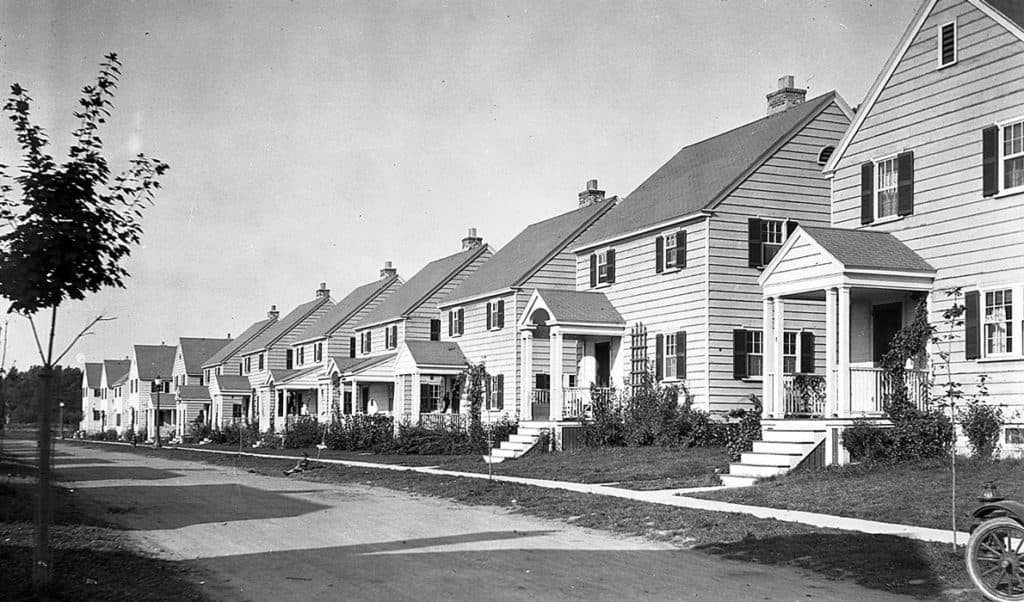
Washington Park Historic District was listed on the National Register of Historic Places on March 19, 2024, giving Bath’s north-end wartime housing a formal place in the city’s history. The district centers on 109 two-story, multi-family brick houses built during World War I, when Bath’s shipbuilding surge collided with a severe housing shortage.
Bath’s wartime population grew quickly as thousands of workers moved to the city for shipyard jobs, and the shortage hit in 1917. The Emergency Fleet Corporation, the wartime housing arm of the U.S. Shipping Board, responded with two publicly funded housing developments that began construction in August 1918. In Bath, that federal action became the Brick Project, a compact housing district that still makes the labor demands of the war visible on neighborhood streets.
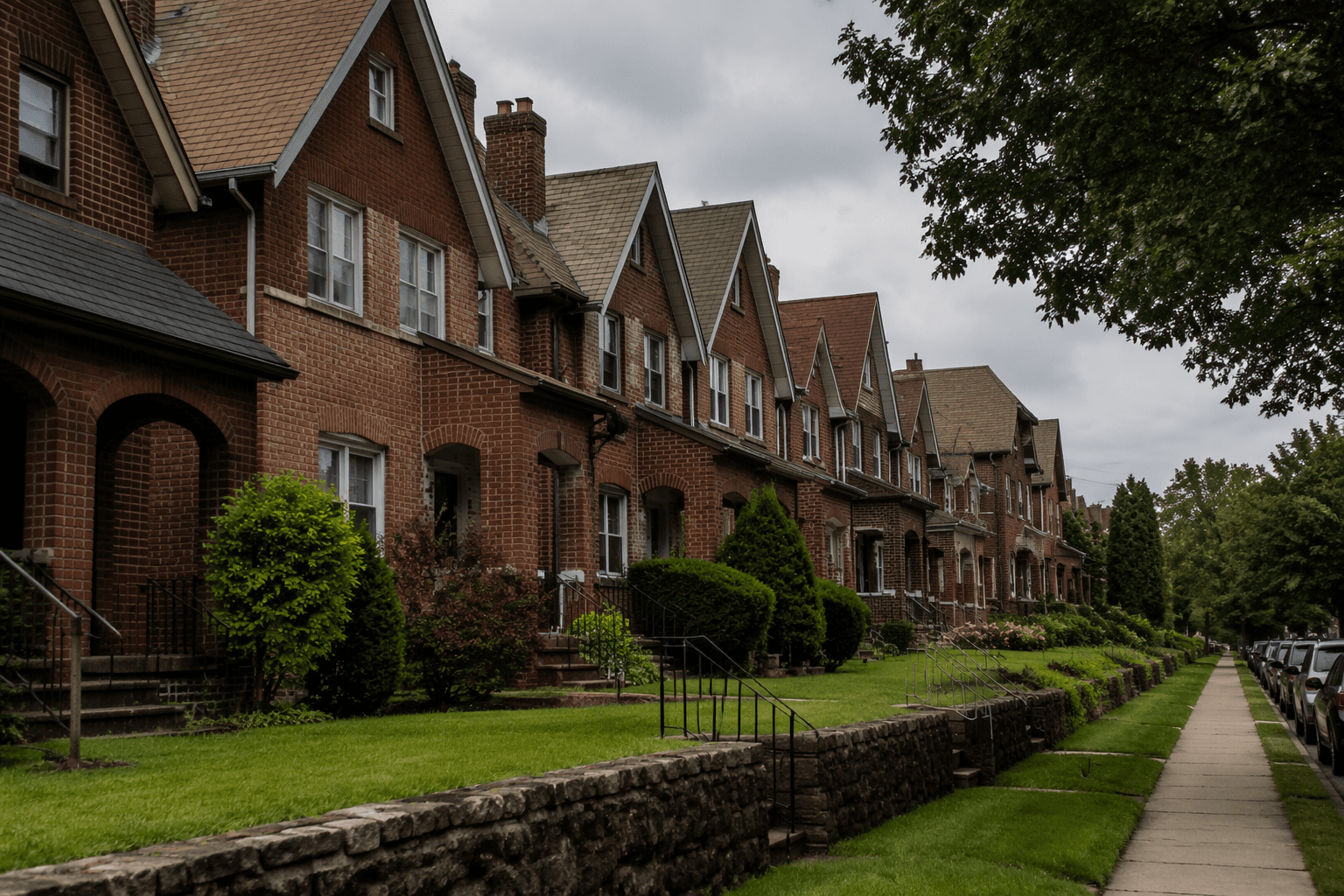
The neighborhood matters because it shows the housing side of industrial history, not just the shipyard side. The district’s National Register documentation identifies themes in community planning and development, architecture, landscape architecture, and late 19th- and 20th-century revivals. Its period of significance runs from 1900 to 1924, with reference points in 1919, 1922 and 1955, placing Washington Park within the larger story of how Bath grew and adapted around war production.
What was built in Bath also fits a national pattern. The Emergency Fleet Corporation carried out 31 housing developments across the country during World War I, producing 8,648 dwellings. Washington Park was Bath’s local answer to the same problem facing shipbuilding centers nationwide: where to house workers fast enough to keep the yards moving.
Interest in the neighborhood had already been building before the listing was finalized. A Bath resident sought historic designation for Washington Park in October 2023, reflecting local concern that the brick blocks in the north end deserved recognition before they were lost to neglect or redevelopment. The March 2024 designation now puts official preservation status behind what residents can still see every day: standardized brick construction, multi-family housing, and a neighborhood laid out by wartime necessity in the City of Ships.
This article was produced by Prism’s automated news system from verified source data, official records, and press releases, then run through automated quality and moderation checks before publishing. The system is built and supervised by the people who set the standards it runs under. Read our full AI policy.
Did this article answer your question?