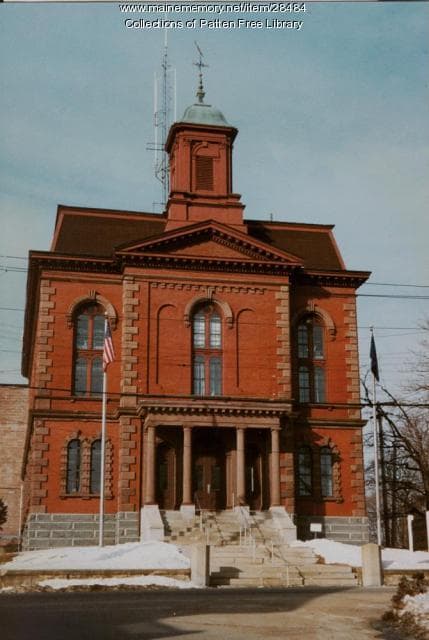
Maine law shifts Brunswick development decisions to town commissioners
Brunswick projects will now go to town commissioners, not the planning board, as the town was already debating tree protection and rural growth limits.
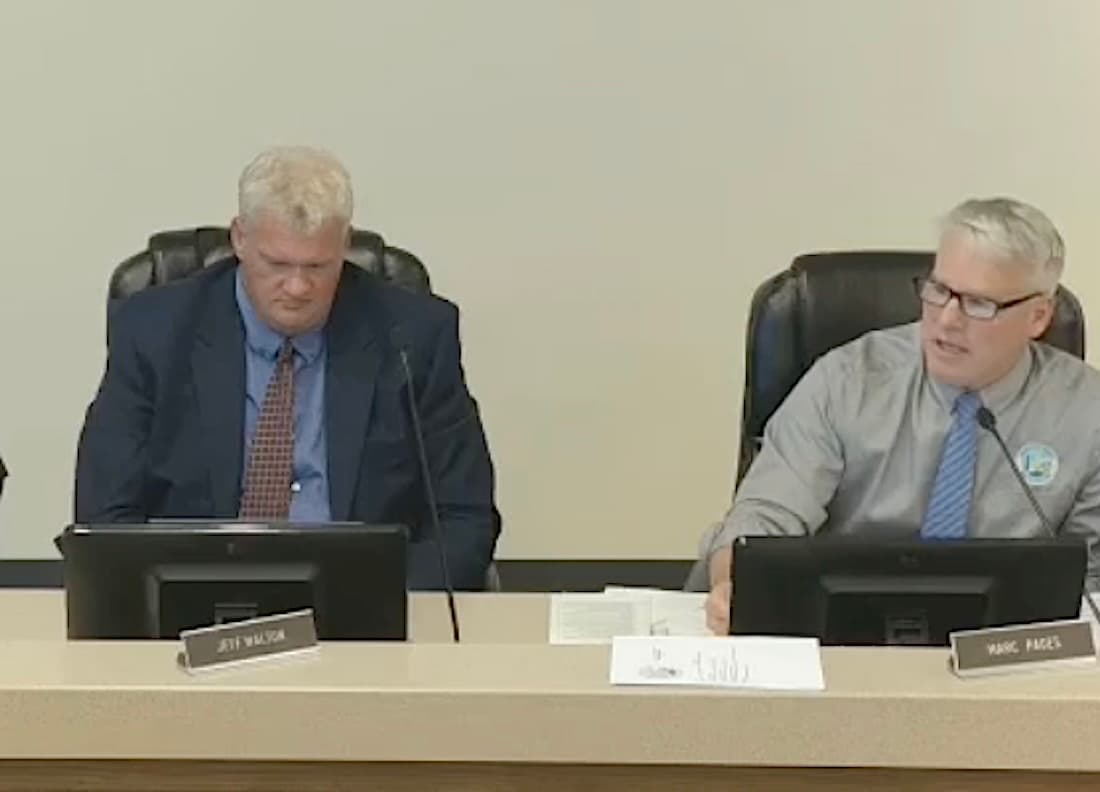
Brunswick developers now face town commissioners, not the planning board, when major land-use decisions reach town hall. The shift comes from LD 1829, An Act to Build Housing for Maine Families and Attract Workers to Maine Businesses by Amending the Laws Governing Housing Density, a bill in the 132nd Maine Legislature, First Special Session.
Under the old setup, the Brunswick Planning Board was the main forum for development review. The new law moves that authority to the town commissioners, putting elected officials closer to the center of housing and zoning fights and removing one step from the path a proposal must take before it gets a final answer.
The timing is especially important in Brunswick because the town was already deep into land-use rulemaking. Planning Board materials dated July 17, 2025 set a public hearing for July 22, 2025 on landscape preservation zoning text amendments. Those changes were aimed at preserving or enhancing the town’s high-value tree resources and protecting rural character from adverse impacts.
Brunswick’s 2025 Comprehensive Plan adds another layer to the change. Its policy recommendations call for land-use ordinances that prevent overdevelopment of rural resources, a clear sign that the town had been wrestling with how to manage growth before the state shifted decision-making power upward to commissioners.
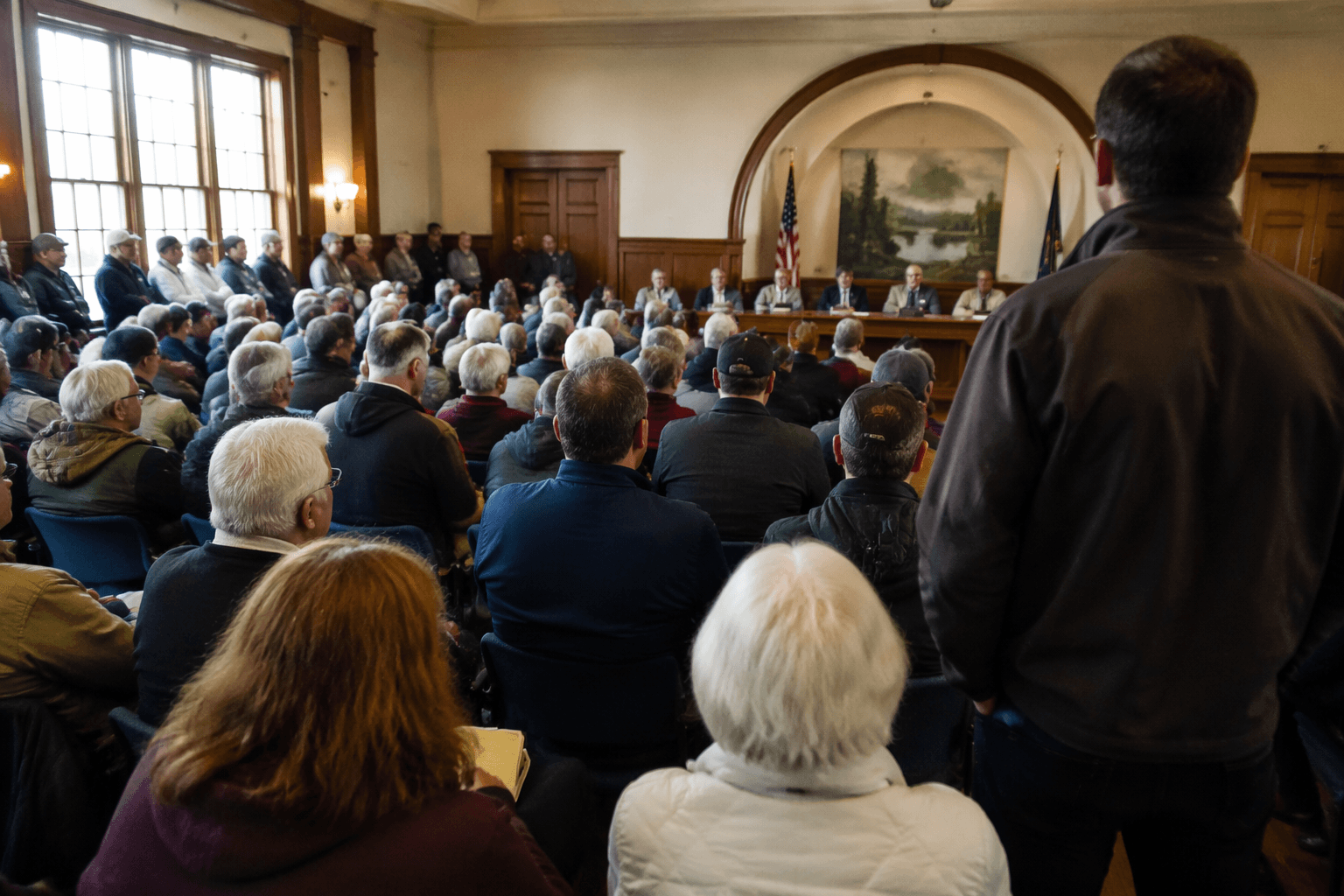
For residents, that means future fights over housing density, neighborhood character and the pace of development will now concentrate in commissioner meetings rather than the planning board room. A proposal that once moved through one local body now goes to another, and the elected commissioners will carry more influence over whether Brunswick’s next project gets sharper scrutiny, faster approval or a harder stop.
This article was produced by Prism’s automated news system from verified source data, official records, and press releases, then run through automated quality and moderation checks before publishing. The system is built and supervised by the people who set the standards it runs under. Read our full AI policy.
Did this article answer your question?