Sagadahoc Bridge marked as Maine DOT’s first design-build project
Maine DOT’s first design-build project gave Bath and Woolwich a new Route 1 crossing in 2000, replacing the 1927 Carlton Bridge and its daily traffic bottleneck.
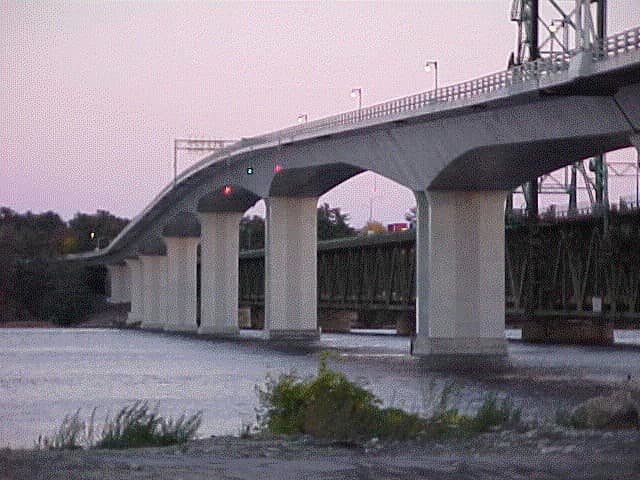
At 0.56 miles long, or 2,972 feet, the Sagadahoc Bridge carries U.S. Route 1 over the Kennebec River between Bath and Woolwich. The crossing opened in 2000 and is the highway link that ties downtown Bath, the waterfront and Woolwich’s river side together on a route people use for commuting, freight and emergency travel.
The bridge solved a problem created by the older Carlton Bridge, a two-lane steel truss lift bridge that opened in 1927 and had been built to carry both Route 1 and adjacent railroad lines. The Carlton Bridge opened in stages, with the lower deck first carrying train traffic on Oct. 27, 1927, then vehicular and pedestrian traffic beginning on Nov. 15, 1927, before an official dedication on July 2, 1928. By the end of the century, Maine needed a modern river crossing that could handle changing traffic patterns without the mixed road-and-rail constraints of the older span.
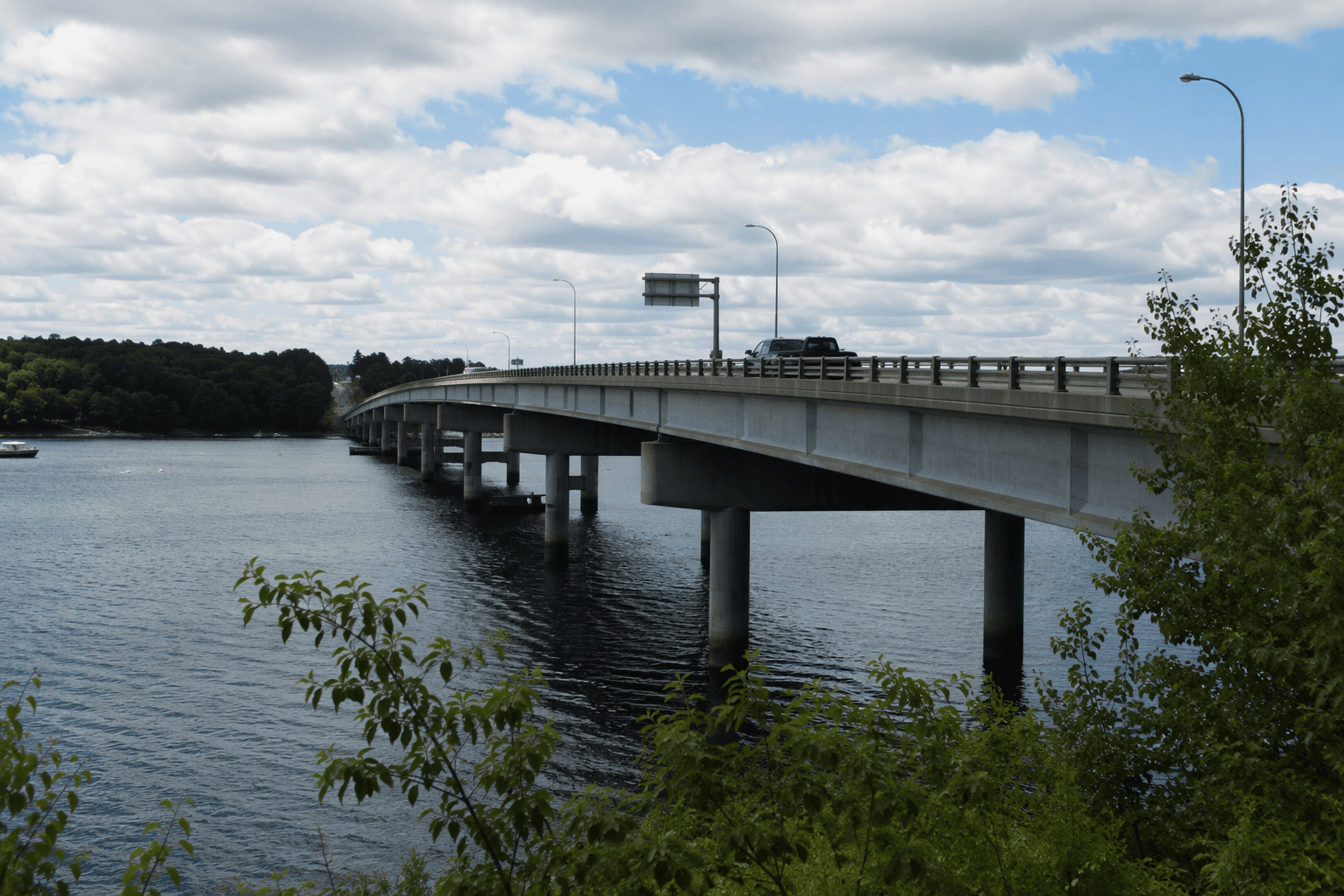
Maine Department of Transportation treated the replacement as more than a one-off bridge job. The Sagadahoc Bridge was the agency’s first design-build project, a delivery model that combines design and construction rather than separating them into a traditional bid-and-build sequence. MDOT’s project history credits that approach with careful planning and implementation, and it helped the bridge finish on time and on budget.
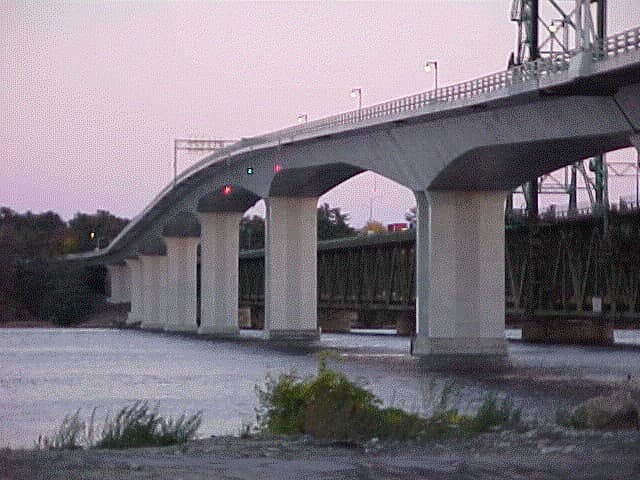
GM2’s project summary records the bridge opening to traffic on Aug. 1, 2000, one month ahead of schedule, at a cost of $47 million and with four awards for innovation and aesthetics. The structure includes 12 spans and a record-setting 420-foot main span.

The bridge still requires regular oversight. Federal Highway Administration rules require inspections at least every two years, and the Sagadahoc crossing remains on that schedule.
This article was produced by Prism’s automated news system from verified source data, official records, and press releases, then run through automated quality and moderation checks before publishing. The system is built and supervised by the people who set the standards it runs under. Read our full AI policy.
Did this article answer your question?