Maine Maritime Museum anchors Bath's shipbuilding history and waterfront economy
Maine Maritime Museum draws people to Bath’s waterfront, supporting downtown businesses while keeping the city’s shipbuilding identity alive in the present.
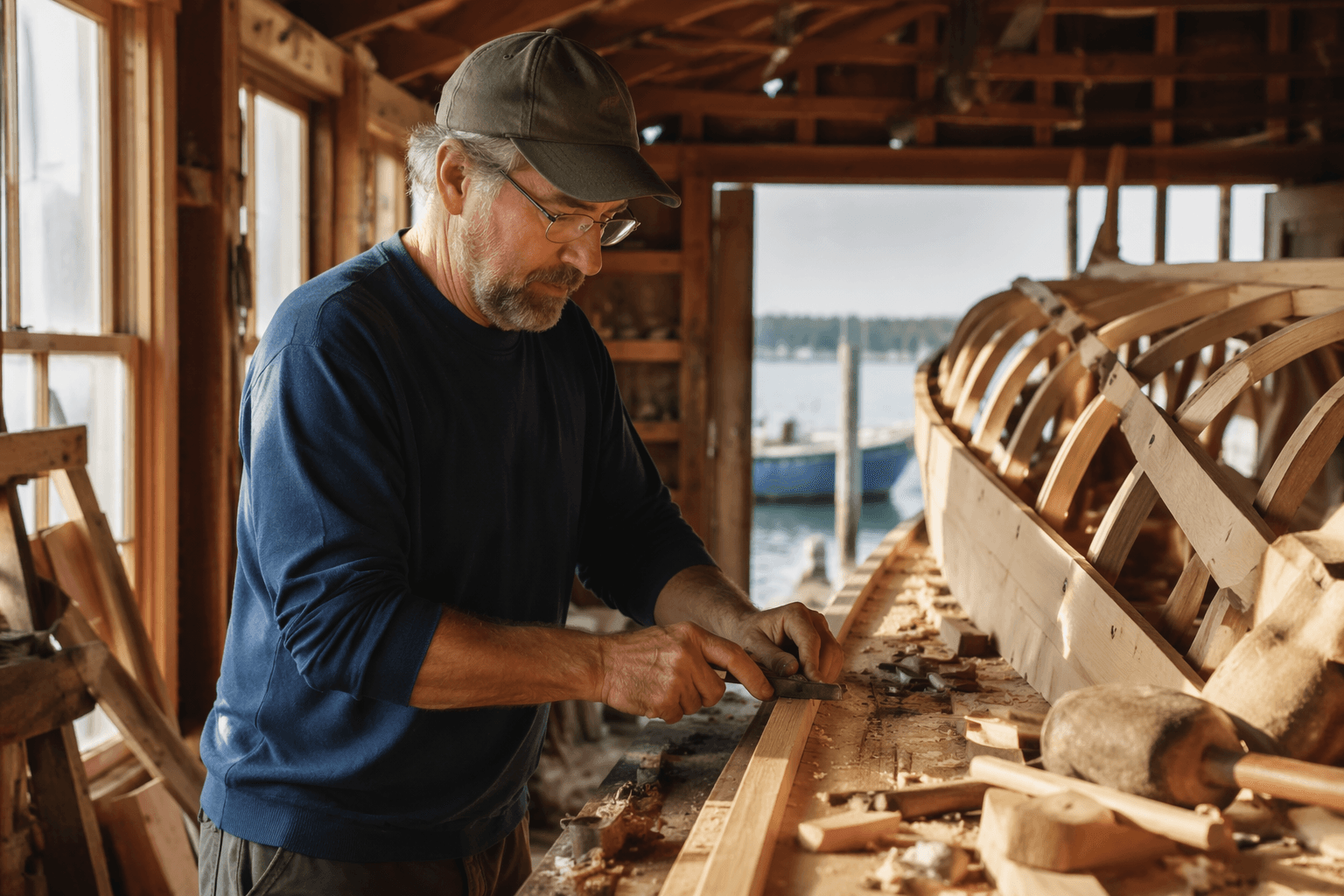
A waterfront institution with present-day stakes
Maine Maritime Museum is more than a place to look backward. In Bath, it sits on the Kennebec River as a working part of the city’s waterfront economy, drawing visitors who help sustain shops, restaurants, and tourism jobs downtown.
That matters in a city where shipbuilding has shaped identity, land use, and local opportunity for generations. The museum keeps Bath’s maritime story visible, but it also helps explain why that story still affects how the waterfront is used and valued today.
Why the museum fits Bath so closely
Few places in Sagadahoc County connect history and daily life as directly as this one. Bath’s shipbuilding legacy is not an abstract heritage theme here; it is part of the city’s economic memory and its continuing sense of place. The museum’s location on the river makes that connection immediate, because the Kennebec is not just a scenic backdrop but part of the industrial and cultural setting that made Bath what it is.
The exhibits help visitors understand how shipbuilding became so important, how vessels were designed and launched, and how the river and surrounding working waterfront shaped ordinary life. That context gives the museum more than archival value. It shows how a local industry influenced the city’s growth, its labor patterns, and the way residents think about the shore today.
What visitors learn inside
The museum is especially useful for people who want an accessible introduction to the region without needing specialized background knowledge. Families, students, and newcomers can come away with a clearer sense of how maritime work shaped the city and why the waterfront remains central to Bath’s identity.
Its exhibits are also a reminder that the story of Maine’s coast is not confined to the past. Bath’s waterfront still carries the imprint of maritime work, river access, and the broader coastal economy, and the museum helps put those pieces together in a way that is easy to follow. That makes it a practical educational stop as much as a cultural one.
How museum traffic supports the local economy
The museum’s value extends beyond its galleries and river views. Visitors who come to Bath for the museum often spend time downtown, shop at nearby stores, and eat at local restaurants, turning foot traffic into real business for the city. In a summer economy that depends heavily on visitors moving through town, that spillover matters.
For small businesses, the museum helps shape a larger day in Bath rather than a single stop at a single attraction. People drawn to the waterfront are more likely to stay, walk, and spend, which supports the mix of retail, dining, and hospitality work that keeps the downtown economy active. In that way, the museum functions as part of the city’s tourism infrastructure, not as an isolated cultural site.
A scenic destination and a civic asset
Part of the museum’s staying power comes from its dual identity. It is both an educational institution and a scenic public destination, and that combination makes it appealing to a wide range of visitors. The river setting deepens the experience, because the landscape itself reinforces the story being told inside.
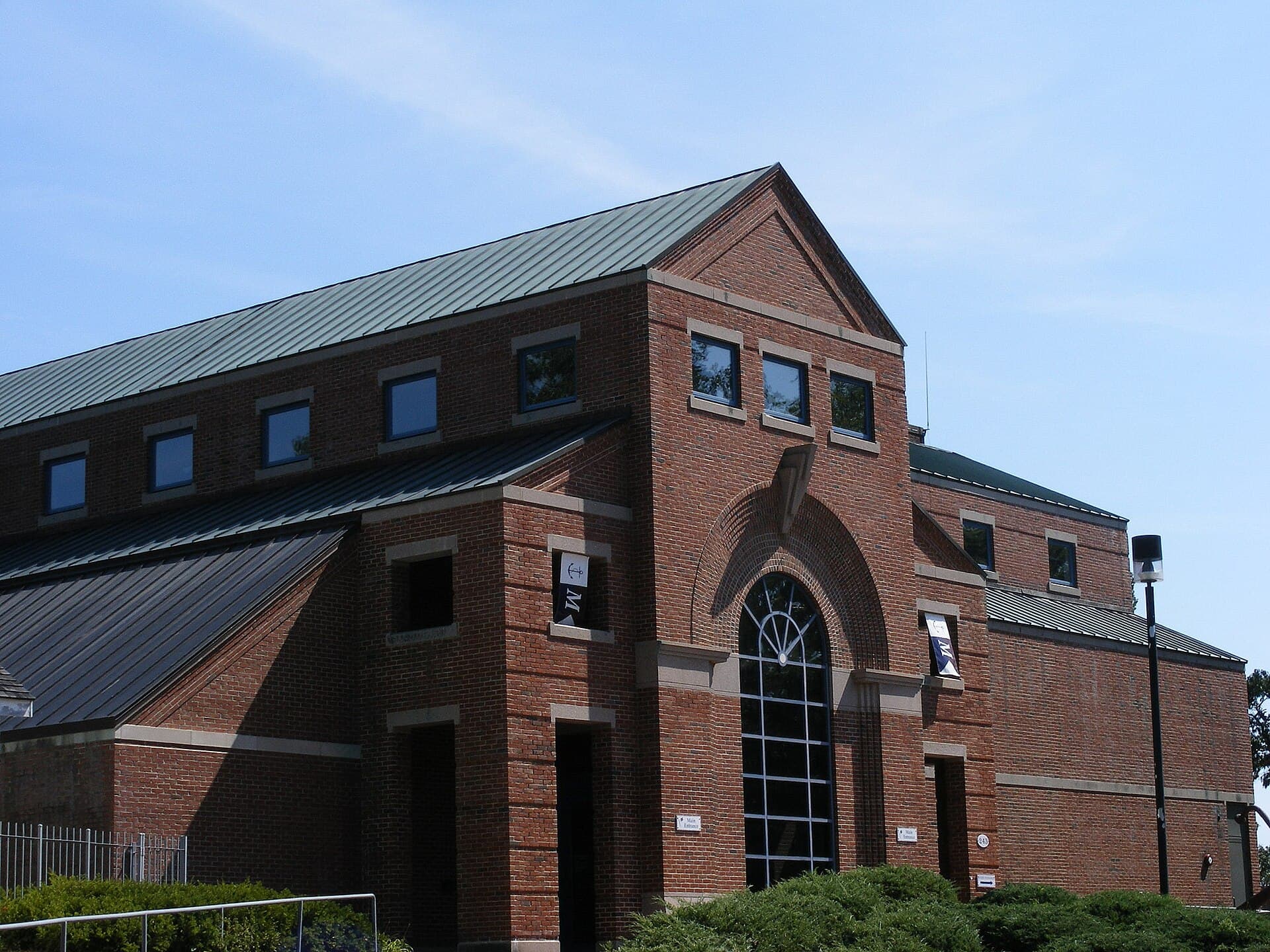
That same setting also gives the museum a civic role. It helps preserve the memory of Bath’s industrial roots while offering a place where people gather, learn, and connect with the waterfront that has always defined the city. For a community balancing preservation with change, that combination is unusually valuable.
Continuity in a city shaped by change
Many of the most visible debates in Sagadahoc County revolve around change, from development to traffic to school costs and business turnover. Against that backdrop, Maine Maritime Museum stands for continuity. It reminds Bath that the waterfront is not only a place to visit, but a place where history, work, and economic life still overlap.
That is why the museum matters now, not only as a keeper of the past but as a participant in the city’s present. It helps explain Bath’s shipbuilding identity, supports the businesses around it, and keeps the Kennebec waterfront central to the way the city understands itself.
This article was produced by Prism’s automated news system from verified source data, official records, and press releases, then run through automated quality and moderation checks before publishing. The system is built and supervised by the people who set the standards it runs under. Read our full AI policy.
Did this article answer your question?