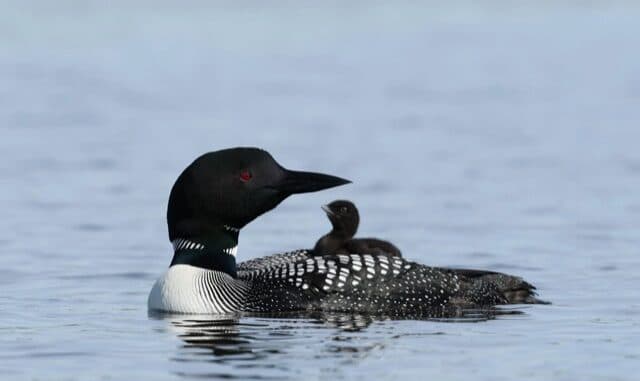
Reid State Park showcases Georgetown’s coastal conservation and storm challenges
Reid State Park and Morse Pond Preserve make Georgetown a budget-friendly summer loop, with easy trails, dune habitat and storm damage reshaping the coast.
Reid State Park and Morse Pond Preserve sit close enough together in Georgetown to plan as one outing without stretching a family budget. This stretch of Sagadahoc County includes protected land, wildlife habitat and visible storm damage as well as sand and surf.
A practical way to spend the day
Reid State Park is open year-round from 9 a.m. to sunset, with fees collected at the booth or through self-service stations. The current day-use schedule lists Reid at $6 for a Maine resident adult, $8 for a nonresident adult, and $1 for children ages 5 to 11, with children under 5 free. At resident rates, a family of four with two school-age children pays $14 for a visit, while the annual vehicle pass at $105 starts to make sense by the eighth trip.
Morse Pond Preserve gives the same trip a second stop without losing the summer pace. The preserve is open dawn to dusk, pets are not allowed, and KELT assembled the property in four stages between 2011 and 2014 before opening it to the public in 2015 and the Morse Pond Trail in 2016. The preserve now measures 280.88 acres, and it connects with Reid State Park and other conserved lands to form a nearly 1,800-acre block of protected land.
What Reid gives you beyond the beach
Reid remains the headline attraction because the park delivers something Maine does not offer often: miles of sand beaches in a state better known for rock and granite. It is one of Maine’s most popular parks, with miles of sand, cold Atlantic swimming and rocky headlands, and the Little River Trail is a 2.8-mile easy walk through oak-pine woodland, rocky terrain shaped by glacial history and coastal habitat where least terns and piping plovers can be seen among the dunes.
The park’s layout also helps you choose the right water for the right part of the group. Reid’s beaches include Mile Beach and Half Mile Beach, and the lagoon and tidal inlet are warmer and calmer than the open ocean.
Why Morse Pond changes the trip
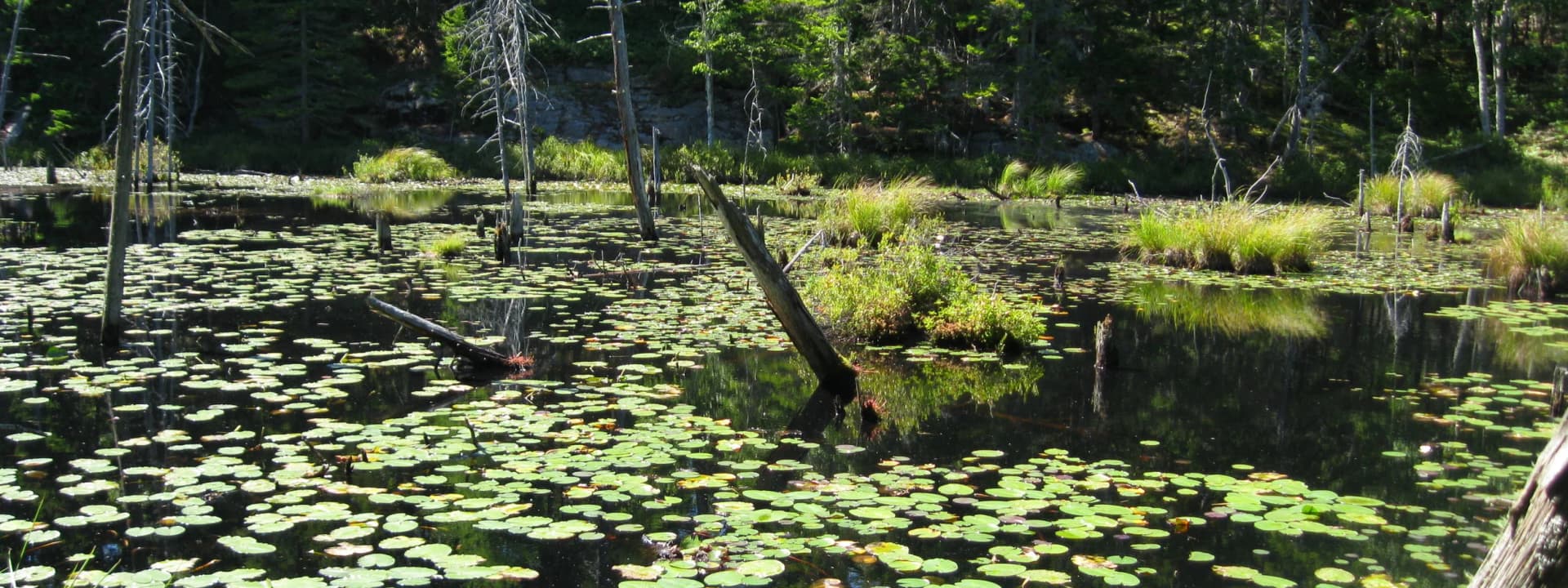
Morse Pond Preserve protects 280.88 acres of wetland and upland forest. The trailhead sits on Seguinland Road, 1.1 miles south of Route 127, with a small gravel parking lot on the right. The Reid State Park entrance gate sits a quarter mile south of the trailhead, which makes the preserve a natural add-on before or after a beach stop.
The preserve supports traditional hunting opportunities, and KELT’s land-protection map places Morse Pond inside a larger Georgetown conservation network that also includes places such as Higgins Mountain and Weber Kelly. That network has been assembled parcel by parcel over more than a decade.
A landscape shaped by birds, dunes and storms
Reid’s dunes are not just scenic. Piping plovers and least terns are endangered under the Maine Endangered Species Act, and the East Coast population of piping plovers is federally threatened. The central challenge is keeping nesting habitat undisturbed, which is why beach access, nesting protections and seasonal management sit at the center of how Reid works as a public park.
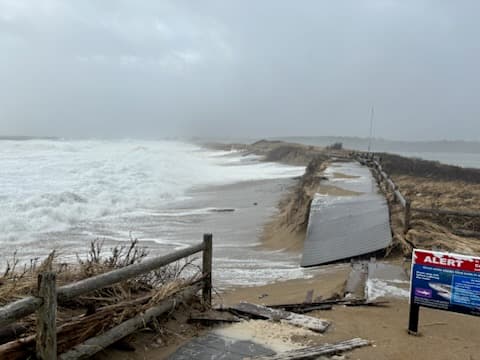
That conservation pressure has grown more visible as storms intensify. A 2024 erosion report found that one section of Reid State Park lost an average of 54 feet of sand-dune area after a severe winter, and Peter Slovinsky of the Maine Geological Survey called parts of the damage record-breaking. In 2025, park management shifted toward resilience, including removable boardwalks and stronger partnerships, while Friends of Reid State Park, a volunteer group formed in 2023, has already been part of cleanup and restoration work.

The history beneath the shoreline
The park’s conservation story begins with Walter E. Reid, who was born in 1869 at Harmon Harbor, about 3 miles from the park, and donated coastal land to Maine in 1946. Reid State Park opened in 1950. Reid’s original gift covered 292 acres before later acquisitions expanded the park to 779 acres, and the park covers about 770 acres today.
Where to stop on the way out
If you want to turn the outing into a full Georgetown day, the closest meal stops cluster around Five Islands and Robinhood. The Osprey at Robinhood marina is one dining stop, and Five Islands Lobster Co. sits on Five Islands Road near the park, with Five Islands Farm adding a seasonal market option nearby.
This article was produced by Prism’s automated news system from verified source data, official records, and press releases, then run through automated quality and moderation checks before publishing. The system is built and supervised by the people who set the standards it runs under. Read our full AI policy.
Did this article answer your question?