Sagadahoc County adds Project Lifesaver to find missing vulnerable people faster
Deputies say Project Lifesaver could find an enrolled missing person in under 30 minutes, using a wrist or ankle signal to narrow the search.
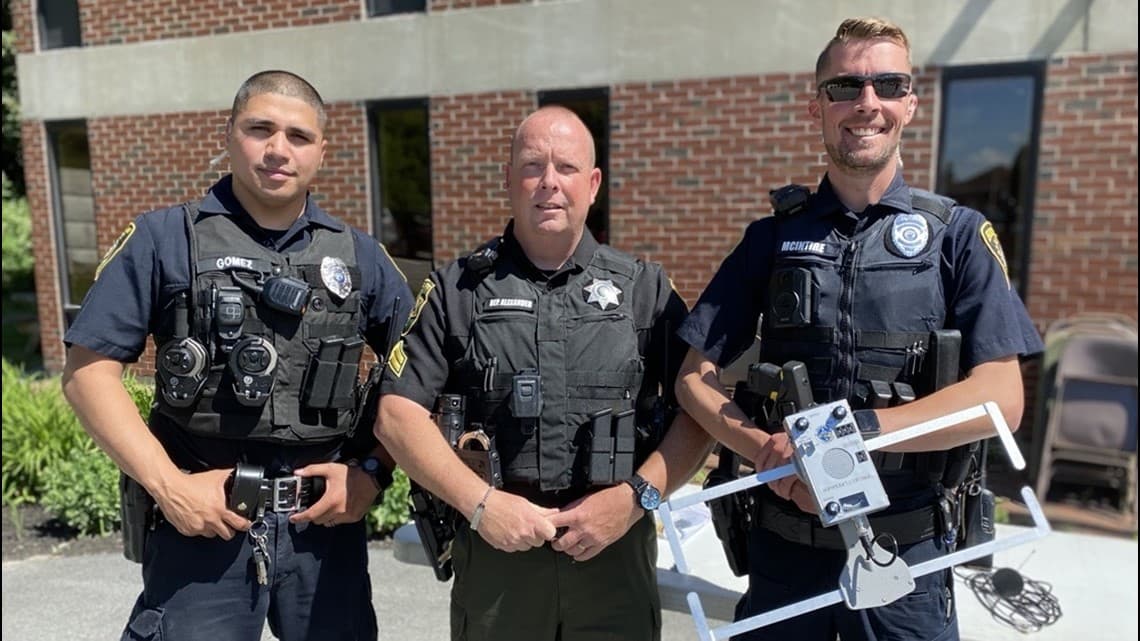
Sagadahoc County sheriff’s deputies are adding Project Lifesaver, a radio-tracking program built to find people with cognitive disabilities who wander, and Cpl. Ian Alexander said, “Our goal is under half an hour to find them.”
The system uses a small transmitter worn on the wrist or ankle. When a caregiver reports someone missing, officers use locator equipment to home in on that individualized radio-frequency signal, rather than starting a wider search from scratch.
That speed matters most in the first critical minutes after a vulnerable person goes missing. For families in Bath, Bowdoinham, Richmond and elsewhere in Sagadahoc County who are caring for someone with dementia or autism, a short delay can turn a missing-person call into a search across roads, water, woods or other hard ground. The county is already listing Project Lifesaver on its official website, putting the program alongside its patrol and public safety work.
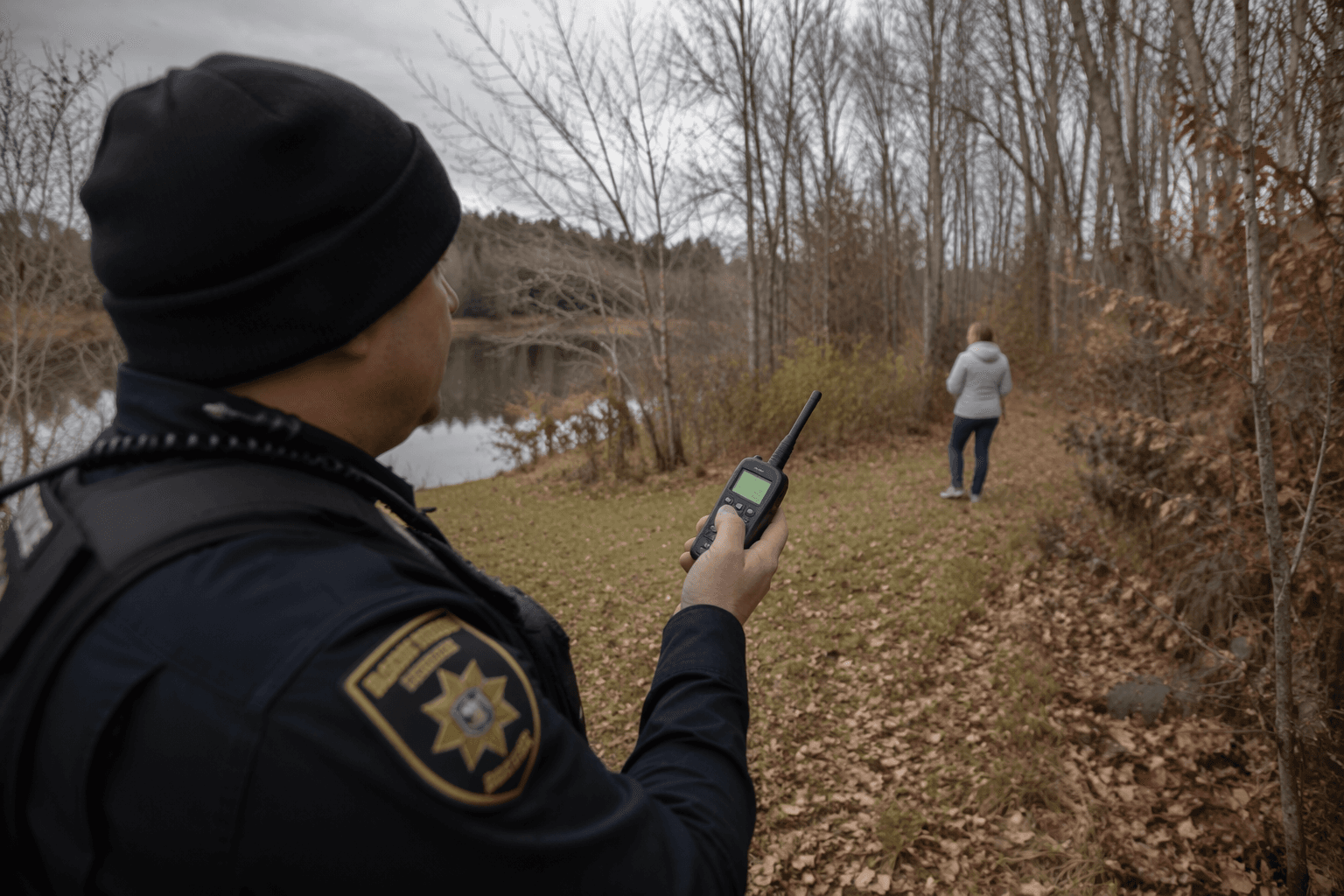
Project Lifesaver is meant for people who are prone to wandering, including those with Alzheimer’s disease, dementia, autism and other cognitive impairments. Similar Maine programs have been framed the same way. In Brunswick, police received a $6,000 grant from the Alzheimer’s Association of America to support Project Lifesaver for residents with Alzheimer’s disease and dementia, showing the technology has already been taken up close to Sagadahoc County.
The county’s move closes a gap caregivers have worried about: the stretch between a person walking away and the point when a traditional search expands. Project Lifesaver is designed to narrow that window by giving deputies a direct signal to follow in the field, with the target of getting to an enrolled person before the search grows into a full-scale emergency.

In a county with compact downtowns, wooded edges and waterways, that kind of early response can matter as much as any longer search. The promise of the program is straightforward, and Alexander’s benchmark makes it clear: the goal is to bring someone home fast enough to keep a wandering episode from becoming a tragedy.
This article was produced by Prism’s automated news system from verified source data, official records, and press releases, then run through automated quality and moderation checks before publishing. The system is built and supervised by the people who set the standards it runs under. Read our full AI policy.
Did this article answer your question?