Seguin Island Light Station blends boat access, history in Georgetown
Boat access defines a visit to Seguin Island Light Station, where a historic light, overnight stays and Kennebec River views turn a trip into a real voyage.
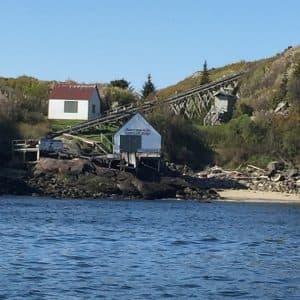
Seguin Island Light Station is not a roadside stop. It sits on Seguin Island in Georgetown, offshore in Sagadahoc County, and getting there means crossing water to reach a place that has guided mariners for generations. That boat-only approach is what makes the visit memorable: the trip feels like a small expedition, and the island setting is part of the story long before you reach the lighthouse.
How to reach Seguin Island
The Friends of Seguin Island Light Station organizes the practical side of a visit through its travel information, and the central fact is simple: Seguin is boat access only. The island has a service boat and two floats for visitor drop-off, which gives the trip a working harbor feel rather than a polished tourist landing. There is no drive-up option, so the experience begins with the crossing itself.
That location matters. The American Lighthouse Foundation places Seguin Island 2.5 miles offshore at the mouth of the Kennebec River, while Visit Maine describes the light as standing on a small island about 1.5 miles from the river mouth and 180 feet above the water. From that position, the station historically guided vessels bound for Bath and other Kennebec River ports, so the route you take to visit the island echoes the route mariners have depended on for a long time.
- plan for boat travel, not a mainland arrival
- use the Friends’ visitor information before heading out
- expect the island landing to be part of the experience, not just a transfer point
- allow time for the crossing, the island walk and the views back toward the coast
A practical visit here starts with a few basics:
What you see once you land
Seguin is more than a lighthouse on a rock. The station includes the lighthouse itself, the keeper’s house, a fog-signal building, an oilhouse and a tramway built to move supplies from the cove. Those pieces give the island a full working-station feel, which is part of why it reads as a living historic place instead of a single monument.
The view is also part of the draw. Visit Maine describes the tower as 53 feet tall and says the light rises 180 feet above the water, high enough to make the island feel elevated and isolated at the same time. The U.S. Coast Guard history entry calls Seguin the “highest lighthouse on the Maine coast,” a line that fits the way the site dominates the horizon once you are on the water.
A light built for the Kennebec
Seguin is Maine’s second oldest lighthouse, and its timeline gives the island real depth. A light station there was approved in 1793, and the first tower went up in 1795 for $6,300. The current larger granite block lighthouse was built in 1857, and that same year a first-order Fresnel lens was installed.
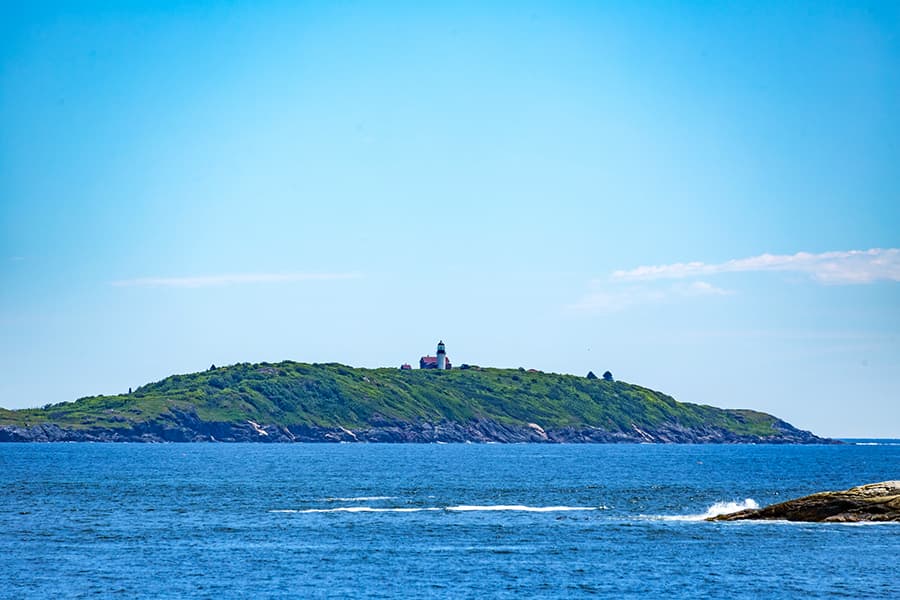
That Fresnel lens matters because it reflects the technical side of lighthouse history, not just the scenic side. The Friends of Seguin Island Light Station has a dedicated history page for the lens, which signals how central the optics are to understanding why Seguin mattered to coastal navigation. In plain terms, this was not just a lantern on an island. It was a precision tool aimed at one of Maine’s busiest and most important waterways.
The island’s position at the mouth of the Kennebec also helps explain its long usefulness. Ships heading toward Bath needed clear guidance at a difficult coastal threshold, and Seguin gave them a landmark where river, tide and open ocean meet. That is why the station still feels tied to regional identity, not simply to nostalgia.
Why the overnight stay changes the visit
Seguin becomes even more distinctive when you stay the night. The Friends of Seguin Island Light Station offers overnight use of the guest quarters or the campground, and the American Lighthouse Foundation says reservations and a donation are part of that experience. Friends also says membership can include overnight use of the guest quarters or campground, with up to five guests able to stay with an additional donation.
That makes the island more than a daytime stop. An overnight stay turns the lighthouse into a place you inhabit, not just photograph, and that is a rare experience along the Maine coast. A Friends account noted that a holiday weekend brought 72 new visitors to the island in one day, a sign that the overnight and day-visit appeal is active, not abstract.
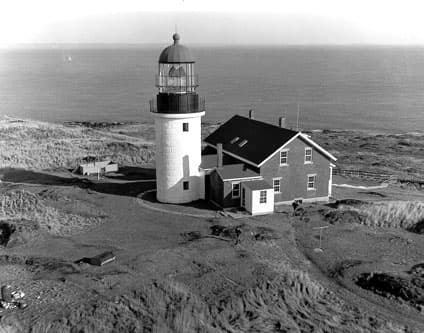
The mix of guest quarters, camping and boat access gives Seguin a practical charm that many heritage sites do not have. You arrive by water, move among the keeper’s buildings, and spend enough time on the island to understand why this station has lasted as both a navigational aid and a destination.
A place where deeper history stays visible
Seguin’s story reaches back well before the lighthouse era. A New England Lighthouses history account says the English founders of the Popham colony anchored at Seguin Island in August 1607 before landing on the mainland. That detail places the island inside the earliest chapter of English settlement on the Maine coast, not just the later age of maritime infrastructure.
That long arc is what makes Seguin so useful to Sagadahoc County. The island ties together navigation, settlement history, preservation work and tourism in one place that people can actually reach. It gives Georgetown and the Kennebec River mouth a landmark that still serves a public purpose, while turning regional history into something visitors can step onto, walk through and stay in.
This article was produced by Prism’s automated news system from verified source data, official records, and press releases, then run through automated quality and moderation checks before publishing. The system is built and supervised by the people who set the standards it runs under. Read our full AI policy.
Did this article answer your question?