Seguin Island Light Station draws visitors by boat each summer
Seguin Island is a boat-only summer day trip with real planning attached: charter costs, weather limits and a 9-foot lens that throws light 20-plus nautical miles.
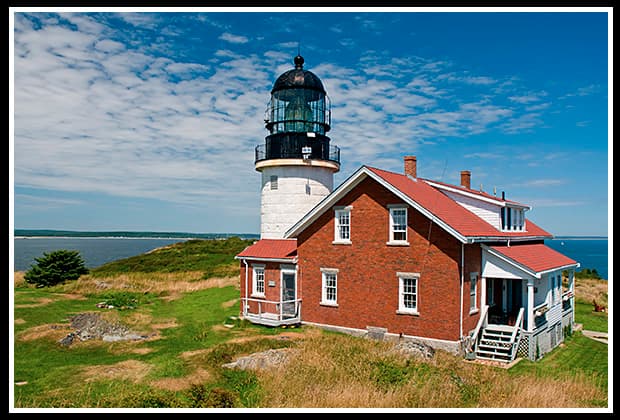
Seguin Island is not a casual pull-off. The light station sits about 2.5 miles offshore at the mouth of the Kennebec River, reachable only by boat, and its current tower, built in 1857, carries the focal point of Maine’s highest light 186 feet above sea level. The payoff is a working maritime outpost with a rare first-order Fresnel lens, not just a scenic stop, which is why the trip feels bigger than its short crossing suggests.
How to get there
The island’s own visitor materials steer you toward charter and ferry service rather than a parking lot, and they also spell out the rules if you arrive in your own boat. If you are bringing a personal watercraft, the recommended chart is NOAA 13295 for the Kennebec and Sheepscot River entrances, and anchoring in Sequin Cove is not allowed because of underwater cables; moorings are first come, first serve for members.
For most visitors, the easiest answer is to book a local operator and let someone else handle the crossing. Captain Thomas Ring of Atlantic Seal Cruises runs a 1-3/4-hour coastal cruise to and from Seguin Island on Thursdays in spring and summer, with departures at 10 a.m. and returns at 4 p.m. RippleSmith Sailing, meanwhile, offers daily ferry service from Boothbay Harbor, Phippsburg, Bath, Georgetown or Harpswell, says the run to Seguin takes 30 to 45 minutes to reach the harbor, and advertises a full-day island destination at $400 per person for up to six passengers.
That range matters because Seguin is the kind of outing where the ride is part of the price of admission. If you want the simplest day trip, the scheduled Thursday cruise is the cleanest built-in option. If you want a private, full-day outing, the charter market shows how quickly costs climb once you add boat time and a small group.
What to expect once you land
Seguin’s public season is narrow enough that timing shapes the experience. Volunteer keepers typically welcome visitors from around June 1 into early September, weather permitting, while the keeper applications describe summer staffing from Memorial Day through Labor Day. Once you arrive, the island is set up for a full visit, with tower tours, a museum, a gift shop and overnight guest quarters hosted by volunteer keepers.
The walk up from the dinghy landing is part of the draw. The trail beside the old tram is nearly a quarter mile long and climbs from the cove beach, past wooden stairs and up a grassy hill to the museum and keepers’ quarters, which makes the island feel more like a small hike than a quick photo stop. The volunteer team also maintains five hiking trails, and the island’s mix of flora, fauna, nesting birds and open water means you may see whales or porpoises from shore.
Why the lighthouse still matters
The history is unusually deep for such a compact place. Friends of Seguin Island Light Station say George Washington commissioned the light in 1795, and the current structure dates to 1857. The station is also on the National Register of Historic Places, a marker that fits a site that has been guiding traffic through the Kennebec approaches for more than two centuries.
The lens is the detail that stops most visitors. The first-order Fresnel lens installed in 1857 stands 9 feet tall and can be seen for more than 20 nautical miles, and the station page says Seguin is the only lighthouse north of Virginia still using its original first-order lens. The island’s own history pages also note that the light is an active aid to navigation, and that the US Coast Guard still handles repairs and keeps the fog horn working.

The light station’s height gives it an advantage that photographs do not fully capture. Because the lens sits on a rocky island that rises roughly 140 feet above sea level, the focal point reaches 186 feet, which helps explain why Seguin is described as Maine’s highest lighthouse even though another tower may be taller in raw masonry terms. That combination of elevation, lens power and working navigation gear is what separates Seguin from a purely historic display.
When to go and how to judge the payoff
Weather is the real gatekeeper. The island’s current schedule changes with conditions, and the keeper logs show what a rain day can do to a visit, from thunder and heavy rain to no visitors at all. One recent caretaker entry also described adjusting a dinghy trip around incoming tides and waves, which is a good reminder that even a short crossing can turn into a different outing once the forecast turns.
That is why Seguin tends to reward people who like a little logistics with their scenery. The island is more demanding than a quick waterfront stroll in Bath or Boothbay, but in exchange you get a boat ride, a climb, a museum, a lens that still throws light 20-plus nautical miles, and a working station that still has to serve mariners first. For locals and summer visitors alike, that is a rare mix of effort and payoff in Midcoast Maine.
This article was produced by Prism’s automated news system from verified source data, official records, and press releases, then run through automated quality and moderation checks before publishing. The system is built and supervised by the people who set the standards it runs under. Read our full AI policy.
Did this article answer your question?