Swan Island blends camping, wildlife, and Sagadahoc County history
Swan Island gives Sagadahoc County a rare free getaway: paddle in, camp, and walk a former town packed with wildlife and historic homes. It's Maine's only camping wildlife area.

Swan Island is the kind of nearby trip that changes how people think about Sagadahoc County’s outdoor options. Set in the Kennebec River at the head of Merrymeeting Bay between Richmond and Dresden, the island is not a state park, not a roadside turnout, and not a passive scenic view. It is the Steve Powell Wildlife Management Area in Perkins Township, and it combines camping, visitor programming, wildlife habitat, and preserved history in one place.
Why Swan Island stands out
The clearest reason to put Swan Island on a local short list is simple: the Maine Department of Inland Fisheries and Wildlife says it is the only wildlife management area in the state where camping is allowed and visitor programs are offered. That makes it unusual even before you get to the history. The island is also free to visit and free to camp, which gives day-trippers and families a low-cost option that still feels like a real escape.
Its identity is split between recreation and preservation. The island is four miles long, listed in the National Register of Historic Places as the Swan Island Historic District, and managed as wildlife land. That means a visit can include a paddle, a hike, a look at bald eagles, and a walk past the remains of an old rural community without leaving the same island.
Getting there and planning the visit
The trip starts on the mainland near Routes 24 and 197 in Richmond, where visitors launch their own canoe or kayak and cross the river themselves. The main landing is about a five-minute paddle from shore, while the campground is roughly a 30-minute paddle or a 1.5-mile hike from that landing. That setup is part of what makes the island feel different from a typical drive-in park: you earn the visit before you reach the first trail.
Timing matters. Swan Island is open for day use and camping from mid-May through mid-October. Outside that season, campground facilities are closed and camping is not allowed. Camping is first come, first served, there is a three-night limit, and no fee is charged for either visiting or staying overnight.
For a practical day trip, the island rewards light planning and modest expectations. Bring what you need, because the point is not a full-service resort experience. It is a place where the paddle, the walk, and the setting are the attraction, and where a few hours can still produce a memorable outing close to home.
What you can do on the island
Once on Swan Island, the landscape gives you several ways to spend the day without overcomplicating it. The state materials point to 10 campsites with Adirondack shelters, water, and restrooms, along with a 4.5-mile dirt road that can be used for biking or hiking and about 7 miles of trails. That mix makes the island useful both for an overnight stay and for a family that wants enough to do without committing to a long backcountry trip.
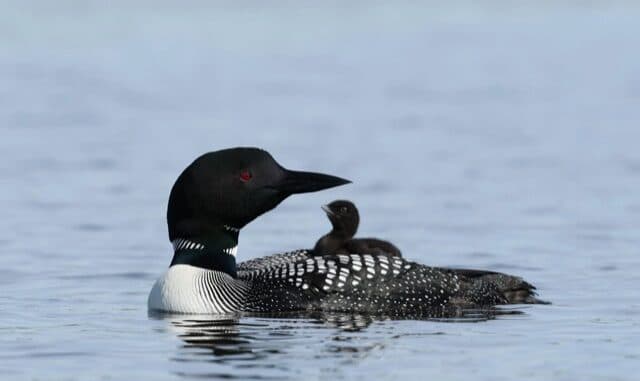
The wildlife features are not an afterthought. The island supports migrating waterfowl, wild turkeys, white-tailed deer, and bald eagles, and the brochure notes special food plots created for wildlife. Visitors can also look for a wildlife viewing tower and a kids-only trout fishing pond, two details that make the island especially workable for families with mixed ages.
One unusual feature comes from the island’s early management history: a wire fence exclosure was built in the 1940s to test deer repellents. That kind of artifact helps explain why the island feels so layered. It is both a living wildlife site and a place where decades of hands-on management left visible marks on the landscape.
The brochure also gives the island a memorable local identity of its own, describing it as “a small island with a large history” and noting an alternate name origin from the Abanaki word “Swango,” meaning island of eagles. That language fits the place. Swan Island is small enough to navigate in a day, but varied enough to feel much larger than its map footprint.
The history that shapes the landscape
Swan Island’s past is not decorative background. Maine IF&W says Abanaki Indians used the island as a summer hunting camp, and later the land became an active farming community in the 1800s. At its peak, more than 100 people lived and worked there in 27 homes, a figure that turns the island from a nature stop into a former village site with a real civic past.
Maine Preservation says the former Town of Perkins reached nearly 100 residents around 1860. Its historic resources include five houses dating from the 18th and 19th centuries, Curtis Cemetery, ruins of more than 20 cellars, and old roads. Five historic homes still stand today, which gives visitors something much more tangible than a plaque or a marker. They are walking through a preserved rural layout, not just a story about one.
That deeper history also explains why the island carries both archaeological and built heritage value. The land was acquired by the state in stages beginning in the 1940s, and by 1988 the entire island had become the Steve Powell Wildlife Management Area. In 1995, the Maine Historic Preservation Commission nominated Swan Island as a historic district, and the U.S. Department of the Interior adopted it the following year. The result is a place where conservation and preservation are officially intertwined.
The name on the map and the people behind it
The island’s modern name honors Stephen E. Powell, one of the early biologists who worked there. After his death in 1971, the area was dedicated as the Steve Powell Wildlife Management Area in his memory. That detail matters because it links the island’s management identity to the people who shaped its early wildlife work, not just to a geographic label.
The name change also underscores how the island evolved from a working farm community into a state-managed wildlife area with public access. Major Samuel Tubbs and the Town of Richmond are part of the local historical record tied to the island’s broader story, but the present-day experience is defined by the state management area, the preserved homes, and the trail system that keeps the island open to the public.
Why Sagadahoc County residents should care
For Sagadahoc County readers, Swan Island is valuable because it offers something distinct from the usual coastal or woodland outing. It is close enough for a half-day trip, inexpensive enough to repeat, and unusual enough to feel like a discovery even when you know the region well. The combination of free access, camping, paddling, wildlife viewing, and standing historic homes is rare anywhere in Maine, let alone within reach of local communities.
That mix also makes it one of the county’s strongest all-purpose outdoor destinations for this season. A family can come for a paddle and a trail walk, a birdwatcher can come for eagles and waterfowl, and a history-minded visitor can come for the old town site and the surviving homes. Few places in Sagadahoc County offer all three at once, and none do it with the same blend of river access, preserved landscape, and state-managed camping.
This article was produced by Prism’s automated news system from verified source data, official records, and press releases, then run through automated quality and moderation checks before publishing. The system is built and supervised by the people who set the standards it runs under. Read our full AI policy.
Did this article answer your question?