Topsham highlights Cathance River trails, wildlife and historic Head of Tide Park
Park at Head of Tide, time the tidal water, and you can stitch together a half-day of paddling, picnicking and quiet trail walking along Topsham’s Cathance corridor.
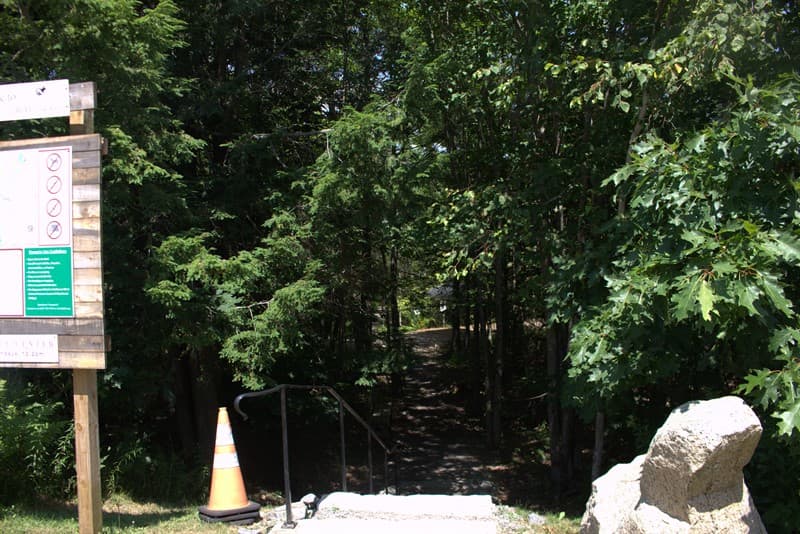
Head of Tide Park is the easiest place to begin if you want one compact outing that mixes water access, a short walk and a look at Topsham’s river history. Park there first, check the waterfall at the edge of the tidal channel, and then decide whether to stay for a picnic, launch a canoe or kayak, or head farther into the Cathance trail network on foot. The key for a smooth visit is simple: know which rules apply at the park, which rules tighten at the preserve, and how the tide changes the feel of the river.
Start at Head of Tide Park
Head of Tide Park sits on Cathance Road and covers five acres. Topsham calls it the town’s only public waterfront park, and that alone makes it the natural staging point for a visit to the Cathance corridor. The site includes parking, a picnic area, wildlife viewing, and a hand-carry boat launch for canoes and kayaks, so it works as both a start and a finish.
The draw here is the setting itself. The Cathance River drops over a twenty-foot waterfall into a tidal offshoot of Merrymeeting Bay, which means water levels and the look of the falls shift with the tide. If you want the most useful local takeaway, plan your arrival with that tidal connection in mind. The launch, the shoreline and the waterfall all sit in a changing waterfront landscape, not a still pond, so a quick check at the park can tell you more than a map alone.
The park also carries deep local history. Topsham identifies the site as important to Native Americans and says it was home to the town’s first sawmill. That makes Head of Tide more than a scenic stop, because the same stretch of water that now serves paddlers and picnickers once powered early industry and earlier settlement.
What the Cathance River Nature Preserve allows, and what it doesn’t
From Head of Tide, the next stop is the Cathance River Nature Preserve, a large network of trails along the Cathance River near the Highlands development. The town describes it as a place with some of Topsham’s best flora and fauna, and that is exactly what the preserve is built for: quiet walking, birding, photography and low-impact time outside.
The preserve is open from dawn to dusk, but it is not a place to improvise. Dogs are not allowed there, bikes are not allowed there, and neither are fires, motorized vehicles, camping or hunting. Those restrictions matter because they set the tone before you ever step onto the trail. This is a foot-traffic-only landscape, and that makes it one of the town’s most reliable options when you want a calmer, less crowded outing.
That rule set also helps first-time visitors avoid a common mistake. A visitor who expects a mixed-use trail system like a bike path or a dog-walking corridor will be disappointed. The preserve is meant to stay quiet, and the town’s restrictions are what keep it that way.
How to build a half-day outing
The simplest half-day plan is to start at Head of Tide Park, spend a little time at the waterfall and waterfront, and then continue toward the Cathance River Trail for a longer walk. Head of Tide allows leashed dogs, which makes it the more flexible entry point for families or anyone who wants a shorter stop before committing to a longer walk upriver. Once you move into the preserve, though, the rules tighten and dogs, bikes and other uses are off the table.
The trail system is expanding as a connected corridor. A pedestrian bridge is being constructed across the Cathance River to link the trails to the Cathance River Nature Preserve, which should make the route feel even more like a single network rather than separate destinations. Until that connection is complete, the practical move is to treat Head of Tide as the gateway and the preserve as the quieter inland leg of the trip.
If you are planning around the trail system, Topsham’s broader trails guide adds useful context. It describes a town network that reaches from the forests of Cathance Preserve to the fields and fens of Bradley Pond, with terrain suited to all abilities. That means you can keep the Cathance corridor short and simple, or use it as part of a longer Topsham day if you have more time.
Paddling the Cathance and the other Topsham rivers
Topsham’s water recreation pages are built for exactly this kind of use. The town’s paddling guide was created by the planning office in summer 2008, and it covers four rivers: the Little, Muddy, Androscoggin and Cathance. The point of the guide is practical, not decorative. It gives general information on each run, plus maps and directions to put-ins and take-outs, which is helpful if you are trying to decide whether to paddle a short local stretch or something more ambitious.
The town also acknowledges a bigger pattern behind the river system. These waterways have a long industrial history, while recreational use was not typically encouraged or considered. That history helps explain why a place like Head of Tide matters now. It sits at the point where Topsham’s older working river and its newer recreation use meet in the same frame.
For paddlers, the old Head of Tide mill site is the important landmark. The take-out for the whitewater portion of the Cathance River is located there on Cathance Road, and parking is accessible at Head of Tide Park for both lower and upper paddling. That makes the park a logical end point, shuttle point or regrouping spot depending on your route.
A corridor shaped by Topsham’s history
The Cathance corridor also fits into the larger story of Topsham itself. The town was legally named in 1717, incorporated in 1764, and held its first town meeting on May 9, 1764. Those dates matter because they show how long this community has been defining and redefining its use of the land and water along the river.
That history is visible in the way the town manages the corridor today. One stop is set up for quiet trail use and wildlife viewing. Another is built for parking, picnicking and hand-carry launching. Together they give Topsham a compact outdoor circuit that works for a quick visit or a longer walk-and-paddle outing, with the river, the tide and the old sawmill site all telling the same local story.
This article was produced by Prism’s automated news system from verified source data, official records, and press releases, then run through automated quality and moderation checks before publishing. The system is built and supervised by the people who set the standards it runs under. Read our full AI policy.
Did this article answer your question?