Bay Area Sees Rise in Respiratory Virus Cases, Experts Urge Caution
A UCSF doctor is seeing 10 HMPV cases a week, double from a month ago, as wastewater data puts San Francisco among the hardest-hit Bay Area cities.
Human metapneumovirus has quietly overtaken flu and RSV as the respiratory threat of the moment across the Bay Area, and San Francisco sits near the top of the region's hot spots. Wastewater SCAN data, which tracks pathogens in sewage, registered late-March spikes in HMPV concentrations with San Francisco recording some of the highest readings alongside Palo Alto, San Rafael, Vallejo, and Gilroy.
At UCSF, Dr. Peter Chin-Hong, an infectious diseases specialist, reported seeing 10 HMPV cases per week over the past month, roughly double the rate from the month prior. Chin-Hong described the virus as "like a cold that's worse than you've had before," and added that current levels are "more than last year" even if the seasonal timing fits an established pattern, typically arriving after flu and RSV wind down each spring.
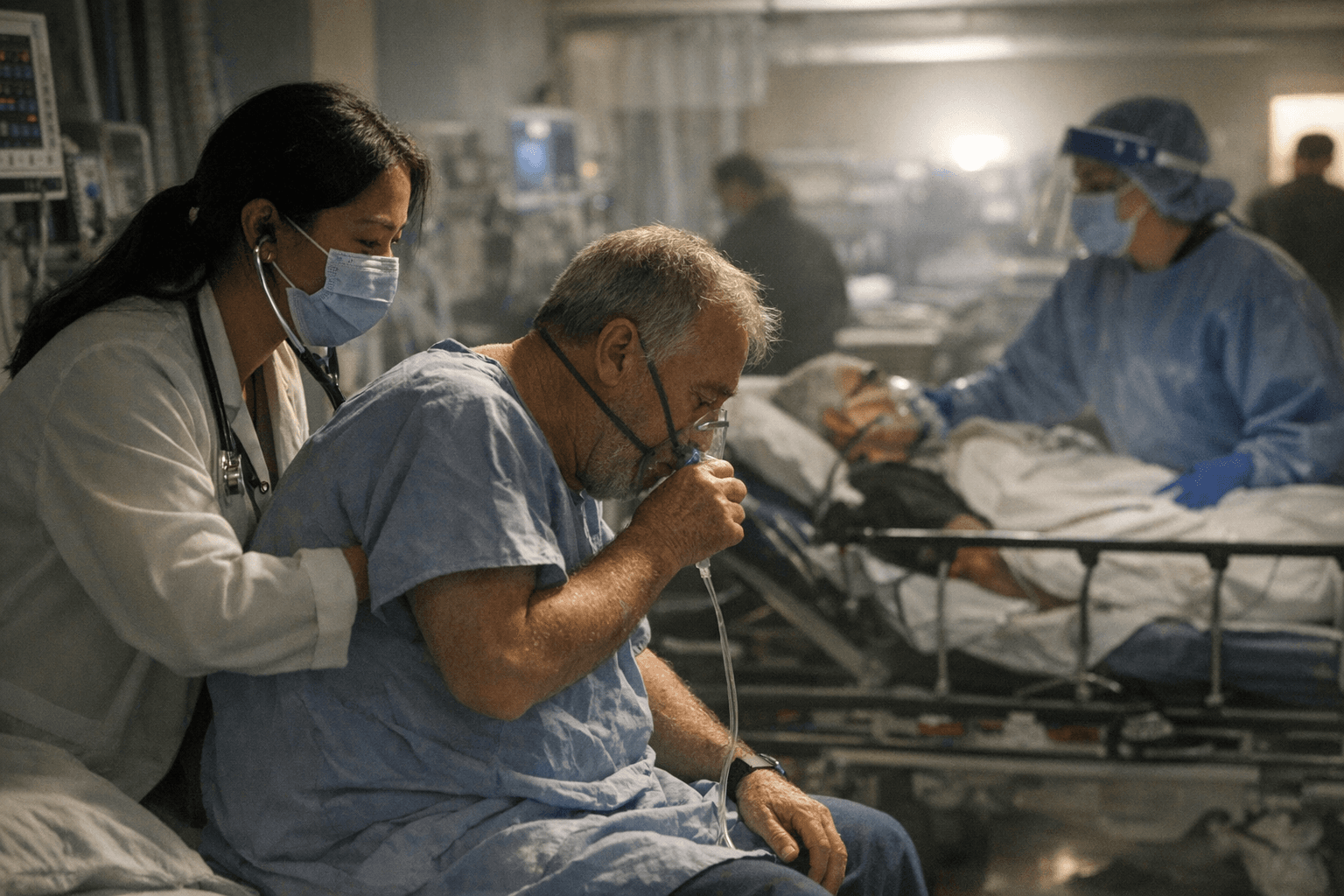
Symptoms include excessive chest and nasal congestion, sore throat, cough, and fever. While mild cases may resolve within a week, severe infections can lead to pneumonia, especially in vulnerable populations like young children and the elderly. The virus can also cause more serious cases requiring oxygen therapy, especially in children and adults 65 and older.
There is currently no vaccine or antiviral treatment for HMPV, which is concerning because the illness can be life-threatening for certain groups. In the emergency room, a separate test is given for patients who arrive with more serious symptoms, including difficulty breathing, a persistent high fever, and dehydration. Routine at-home flu and COVID tests will not detect it.
Children and teenagers should not be given aspirin for routine indications like fever or viral illness, including HMPV, due to the risk of Reye syndrome, a serious condition that can be fatal. Parents should seek care if a child shows difficulty breathing, chest pain, trouble keeping fluids down, or symptoms extending beyond a week.
HMPV spreads through direct or close contact with an infected person, making enclosed, shared spaces such as classrooms, senior facilities, and shelters the highest-risk environments. In offices and classrooms across the Bay Area, sick days are piling up. Standard precautions apply: hand washing, masking in crowded indoor spaces, and staying home when symptomatic.
The city's primary surveillance tool remains wastewater monitoring through WastewaterSCAN, a system that detects pathogen RNA in sewage but cannot tell clinicians how many patients are hospitalized or how many ER visits HMPV is driving. HMPV was first identified in 2001 and has never had a dedicated rapid home test, meaning its true burden in San Francisco is almost certainly undercounted. Until public health officials release facility-level data on respiratory illness hospitalizations, residents with high-risk household members, including infants, adults over 65, and anyone immunocompromised, should treat any unexplained cold-like illness this spring with particular caution.
This article was produced by Prism’s automated news system from verified source data, official records, and press releases, then run through automated quality and moderation checks before publishing. The system is built and supervised by the people who set the standards it runs under. Read our full AI policy.
Did this article answer your question?