Billionaire-backed groups reshape San Francisco politics, critics warn of tech control
A donor network tied to tech and real estate has pushed San Francisco's moderates into power. Its reach now stretches from City Hall races to the Pelosi seat runoff.

San Francisco’s political center of gravity has shifted toward a donor network critics say now wields far more influence than neighborhood clubs and precinct volunteers. In March 2024, moderates took control of the San Francisco Democratic Party by flipping the previously progressive Democratic County Central Committee, setting off a year of expensive fights over who governs City Hall and the Board of Supervisors.
By Sept. 18, 2024, total fundraising in the city’s election cycle had reached $37.3 million, with major money flowing into Daniel Lurie’s mayoral campaign and TogetherSF’s Proposition D charter-reform measure. Moderate political groups backed by tech billionaires and real estate interests also poured hundreds of thousands of dollars into Board of Supervisors races, with Grow SF, Neighbors for a Better San Francisco and TogetherSF emerging as the most influential vehicles.

That money was not new to San Francisco politics. The same network helped finance the 2022 recalls of District Attorney Chesa Boudin and three school board members, giving moderates and their donors a template for turning well-funded campaigns into local power. Supporters say those efforts responded to crime, homelessness, downtown decline and housing shortages; critics see a system in which the wealthiest Americans now enjoy an outsized megaphone in city politics, as Jonathan Mehta Stein of California Common Cause has argued.
The fight widened again in June 2026 when leaked abundance-movement documents credited affiliated organizations with having “Flipped San Francisco Democratic Party” and “Flipped San Francisco Board of Supervisors.” The funding pitch described a $260 million annual billionaire backing stack, with John Arnold, Dustin Moskovitz and Steve Ballmer named among the major funders. Zack Rosen said the documents were legitimate, though he said the committed-capital figures were estimates and active grants were probably closer to $40 million.
Those alliances now intersect with the race to replace Nancy Pelosi in California’s 11th Congressional District. In the June 3, 2026 top-two primary, Scott Wiener finished first with about 41% of the vote and Connie Chan second with about 29%, sending them into the November runoff. Chris Larsen and Garry Tan are backing a pro-Wiener super PAC called Abundant Future, and Larsen alone gave $100,000 to the PAC supporting Wiener, $700,000 against San Francisco’s local CEO tax, and put $5 million of his own wealth plus another $5 million from Ripple into an anti-billionaire-tax PAC.
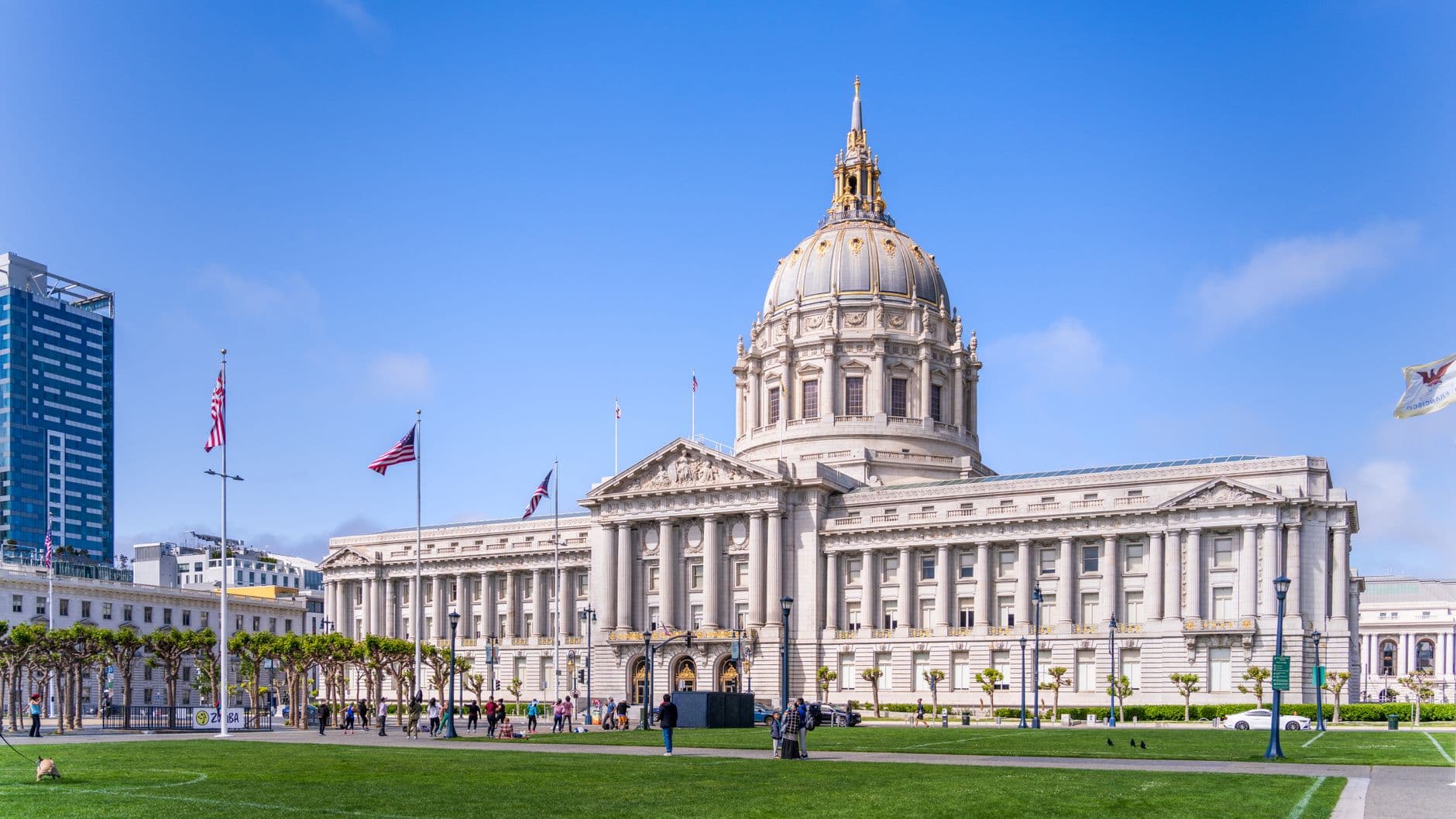
The result is a citywide contest over who really steers San Francisco politics. At City Hall, in supervisor districts and in the Pelosi race, the argument now runs through the same question: whether local power still belongs to voters on the ground or to a funding machine that can turn money into control over the next campaign, the next board majority and the next policy fight.
This article was produced by Prism’s automated news system from verified source data, official records, and press releases, then run through automated quality and moderation checks before publishing. The system is built and supervised by the people who set the standards it runs under. Read our full AI policy.
Know something we missed? Have a correction or additional information?
Submit a Tip