Haney revives bill to expand sober housing options for homeless Californians
Haney’s new bill tries to fold sober housing into Housing First, after Newsom said California already allows it and warned against a new legal category.
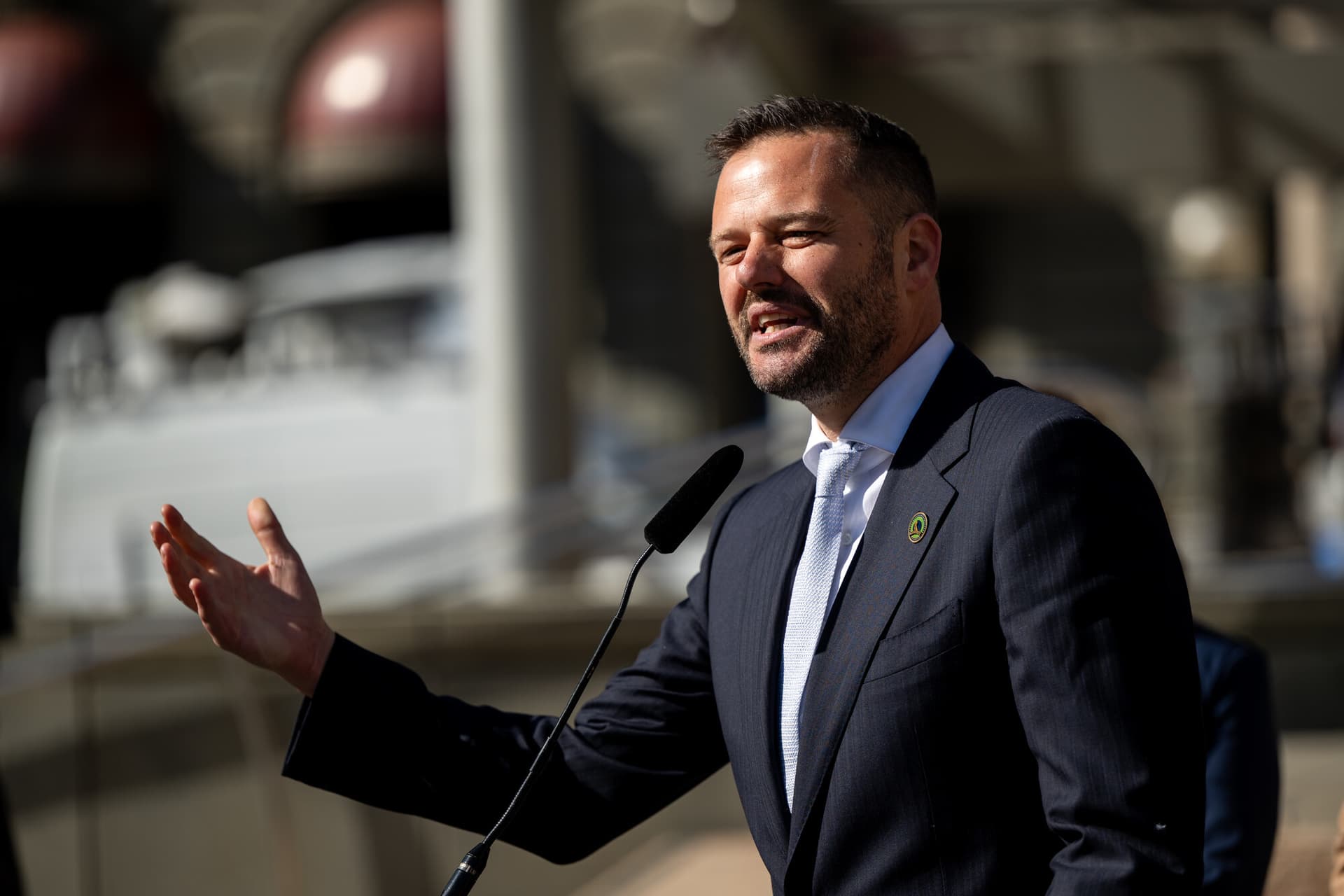
Matt Haney returned to San Francisco on May 4 with a fresh bid to create sober housing within California’s homelessness system, this time trying to answer the objections that stalled his earlier effort. AB 1556 would set rules for recovery residences, housing for people experiencing or at risk of homelessness who choose a drug-free environment, while still meeting Housing First requirements.
The bill is Haney’s latest attempt after Gov. Gavin Newsom vetoed AB 255 in October 2025. In that veto, Newsom said current law already allows recovery-focused housing inside Housing First and warned that creating a separate statutory category could imply those programs are somehow outside the state’s main homelessness framework. He also raised concerns about the cost of building a duplicative certification system. The California Interagency Council on Homelessness has issued guidance saying recovery housing can be temporary or permanent, but any state-funded program must still comply with Housing First law.
Haney’s new version appears designed to narrow that gap. A hearing packet for AB 1556 says the measure would define a recovery residence as housing for people who opt into a drug-free setting while still satisfying the core components of Housing First. The Assembly Health Committee heard the bill on April 15, and it advanced on a 12-0 vote before being sent back to the committee on Health. The political test now is less about symbolism than execution: who qualifies, how a resident’s choice is documented, and how a program remains truly voluntary once someone is inside.
That last point matters in San Francisco, where sober housing supporters say the need is acute and critics worry that strict sobriety rules can quickly become grounds for eviction if someone relapses. Haney’s office said the bill would require a non-punitive response and alternative placement if a resident slips, an effort to keep the model from turning into a trap for people trying to stabilize. Whether enough beds exist for that promise to matter is another open question, especially in a city where recovery options remain limited compared with the scale of need.

The urgency is sharpened by the overdose crisis. The City and County of San Francisco Office of the Chief Medical Examiner reported 118 accidental overdose deaths in the first quarter of 2025, including 65 in March alone. Later reporting put the city at 621 accidental overdose deaths in 2025, down from 810 in 2023, but still a staggering toll for neighborhoods from the Tenderloin to the Mission. In Sacramento, Haney is now asking lawmakers to treat sober housing not as a rival to harm reduction, but as one more tool for people who want abstinence-based support inside the city’s housing response.
This article was produced by Prism’s automated news system from verified source data, official records, and press releases, then run through automated quality and moderation checks before publishing. The system is built and supervised by the people who set the standards it runs under. Read our full AI policy.
Did this article answer your question?