San Francisco speed cameras cut dangerous driving, city pushes expansion
Speed cameras cut dangerous speeding nearly 80% in San Francisco, and officials are moving to expand a pilot already linked to 717,000-plus warnings and citations.
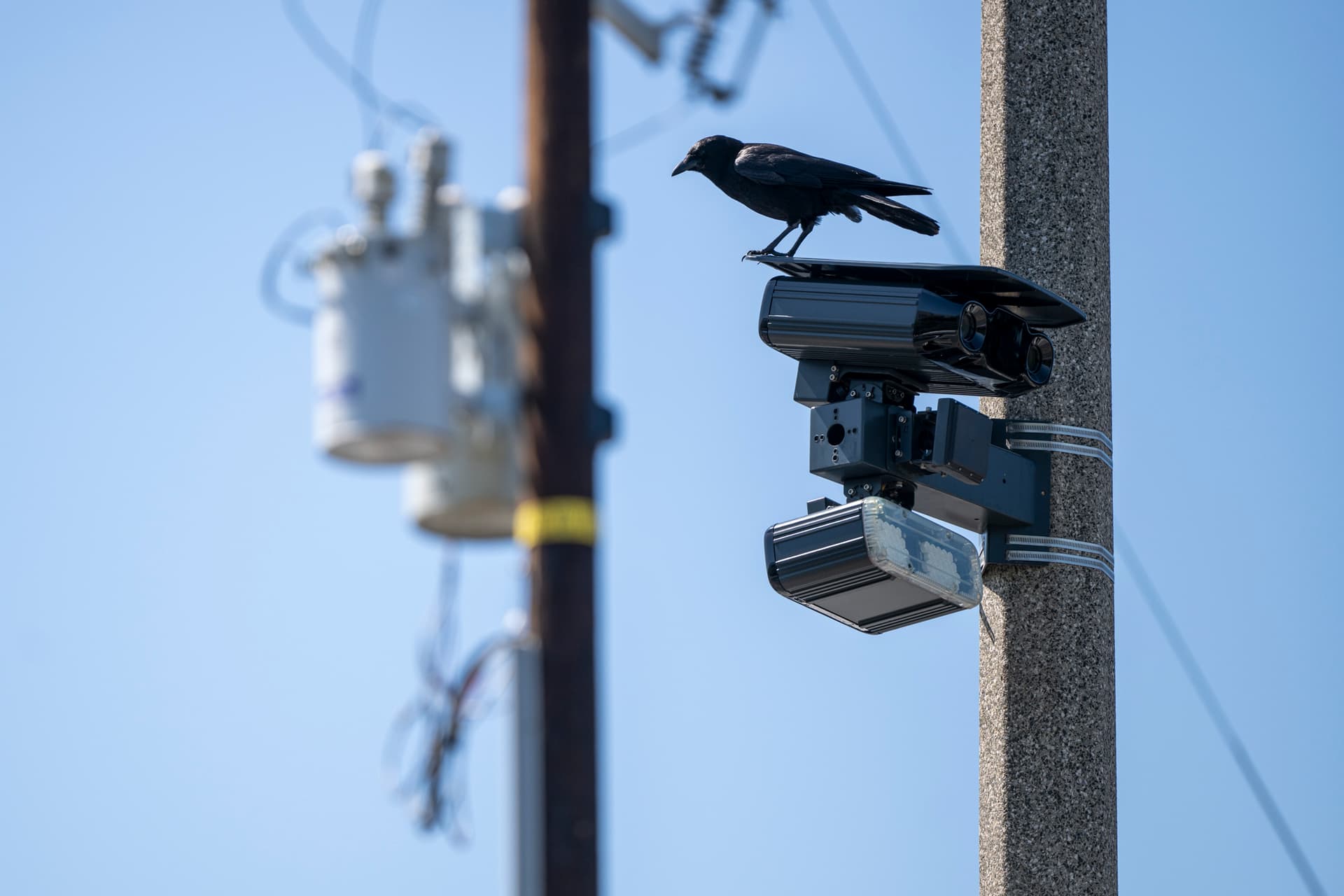
San Francisco’s speed cameras are already changing driver behavior: the share of motorists going 10 mph or more over the limit fell by nearly 80 percent after 33 cameras went live across the city. That early drop has given new fuel to a push from city leaders and traffic safety advocates who want the pilot expanded, not treated as a one-time experiment.
The system began as a warning-only phase after the San Francisco Board of Supervisors approved the city’s automated speed enforcement project in April 2024. Citations started in August 2025, with civil penalties beginning at $50 for drivers traveling 11 to 15 mph over the limit and rising at higher speeds. By the end of March 2026, San Francisco Municipal Transportation Agency data showed the cameras had issued more than 163,900 citations and over 553,600 warnings.
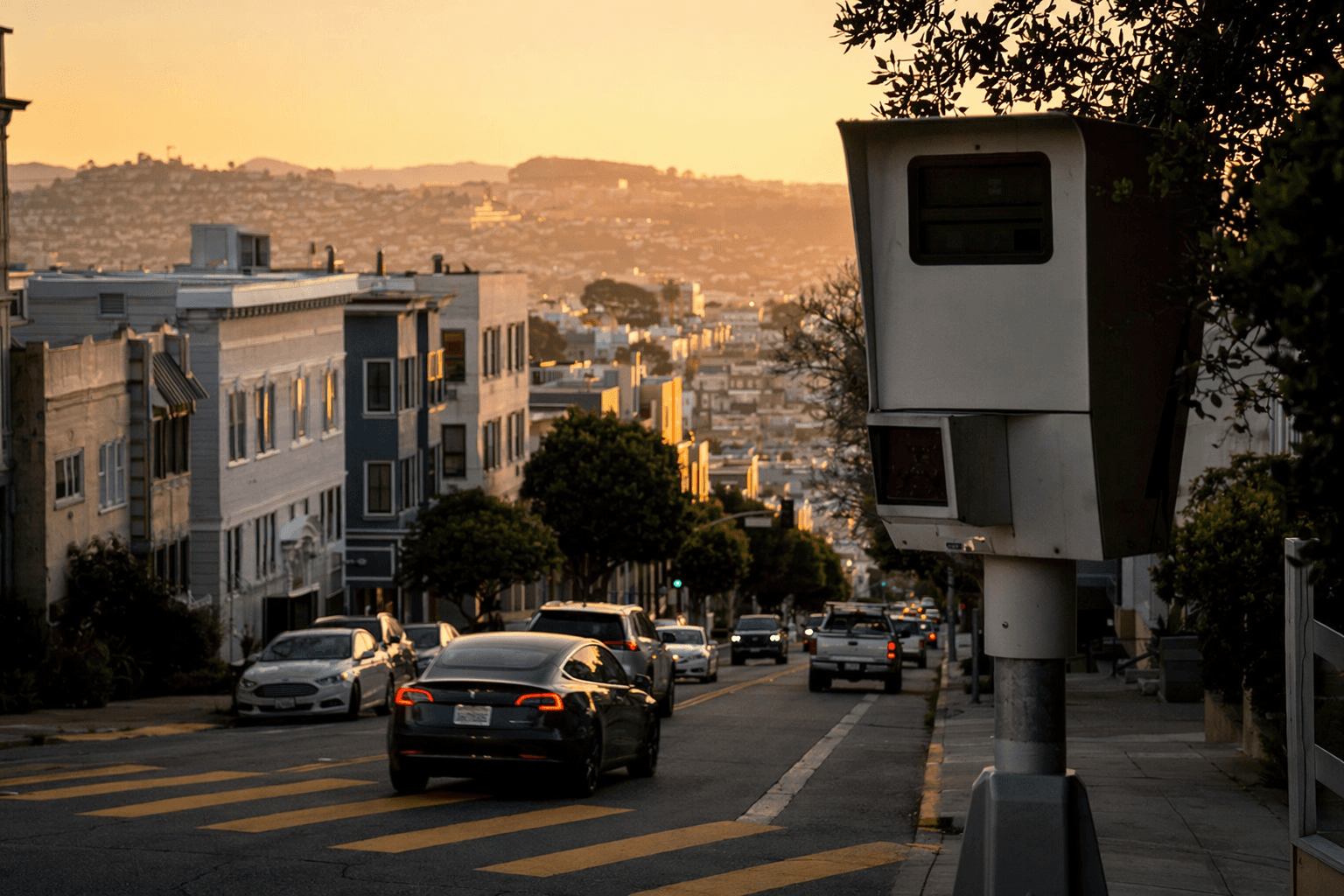
The policy sits inside a broader state pilot authorized by Assembly Bill 645, which gave San Francisco, Oakland, San Jose, Glendale, Los Angeles and Long Beach the ability to test automated speed enforcement through January 1, 2032. SFMTA materials say San Francisco is capped at 33 cameras under the pilot, and city transportation officials have made clear that the program was built as a five-year test, not an open-ended rollout.
The stakes are high in a city where speeding has long been tied to deadly crashes. SFMTA crash data show 43 people were killed in traffic collisions in 2024, the highest annual total since 2005. The city has averaged 29 traffic deaths a year since 2014, and SF.gov says traffic-fatality reporting is a core measure of Vision Zero progress, a program co-chaired by SFMTA and the San Francisco Department of Public Health.
Supervisor Matt Dorsey said he planned to introduce a resolution backing the cameras, signaling that the Board of Supervisors could soon be asked to take a position on whether San Francisco should keep building out the network. Walk San Francisco and other safety advocates say the numbers already justify making the pilot permanent or expanding it further. The next political fight will turn on whether the city’s strongest new enforcement tool can keep reducing dangerous driving while San Francisco decides how far it wants automated surveillance to go.
This article was produced by Prism’s automated news system from verified source data, official records, and press releases, then run through automated quality and moderation checks before publishing. The system is built and supervised by the people who set the standards it runs under. Read our full AI policy.
Did this article answer your question?