San Francisco homelessness budget faces cuts amid $643 million deficit
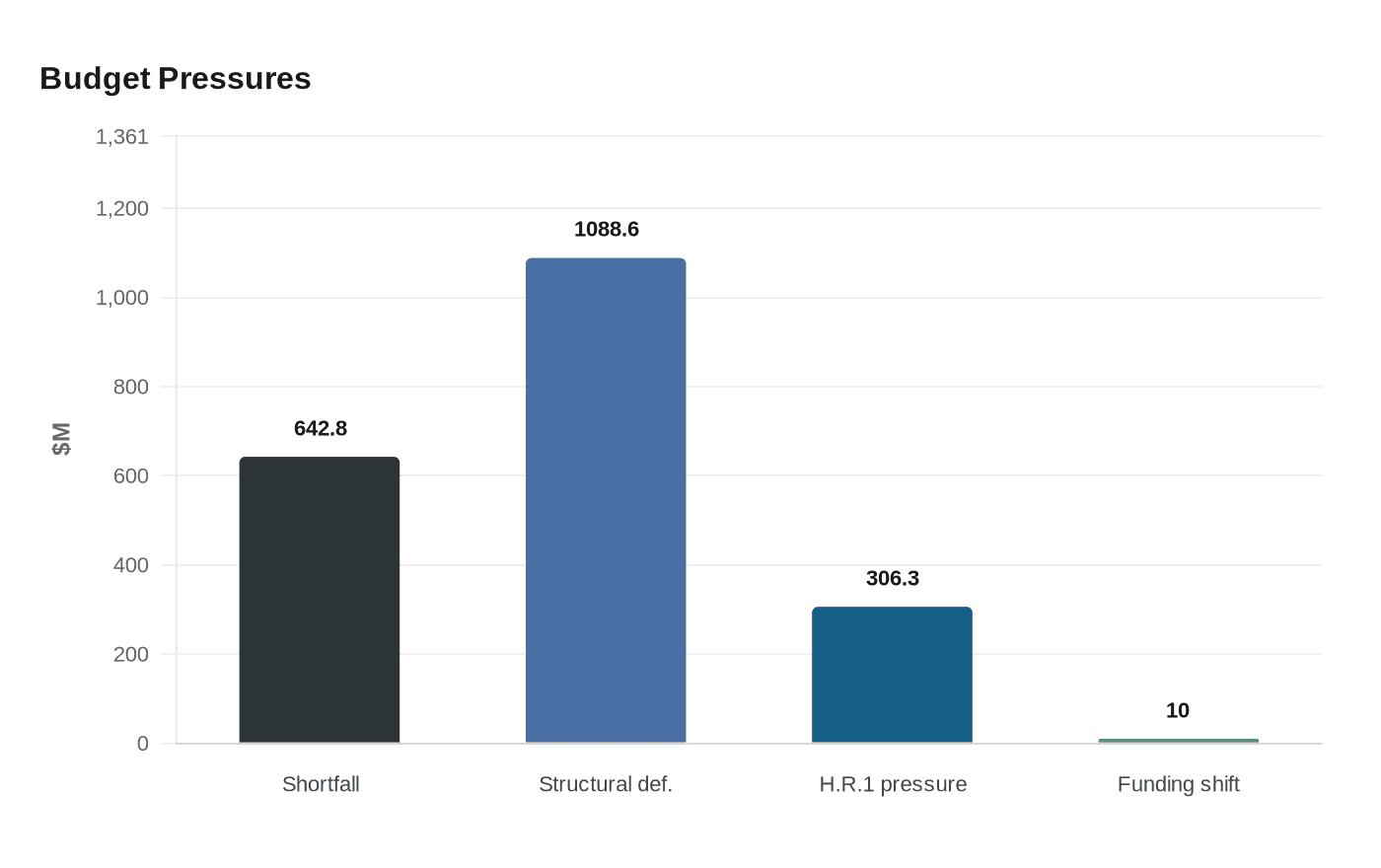
San Francisco may shift about $10 million out of homelessness funding as a $642.8 million deficit forces City Hall to decide what gets protected, squeezed or delayed.
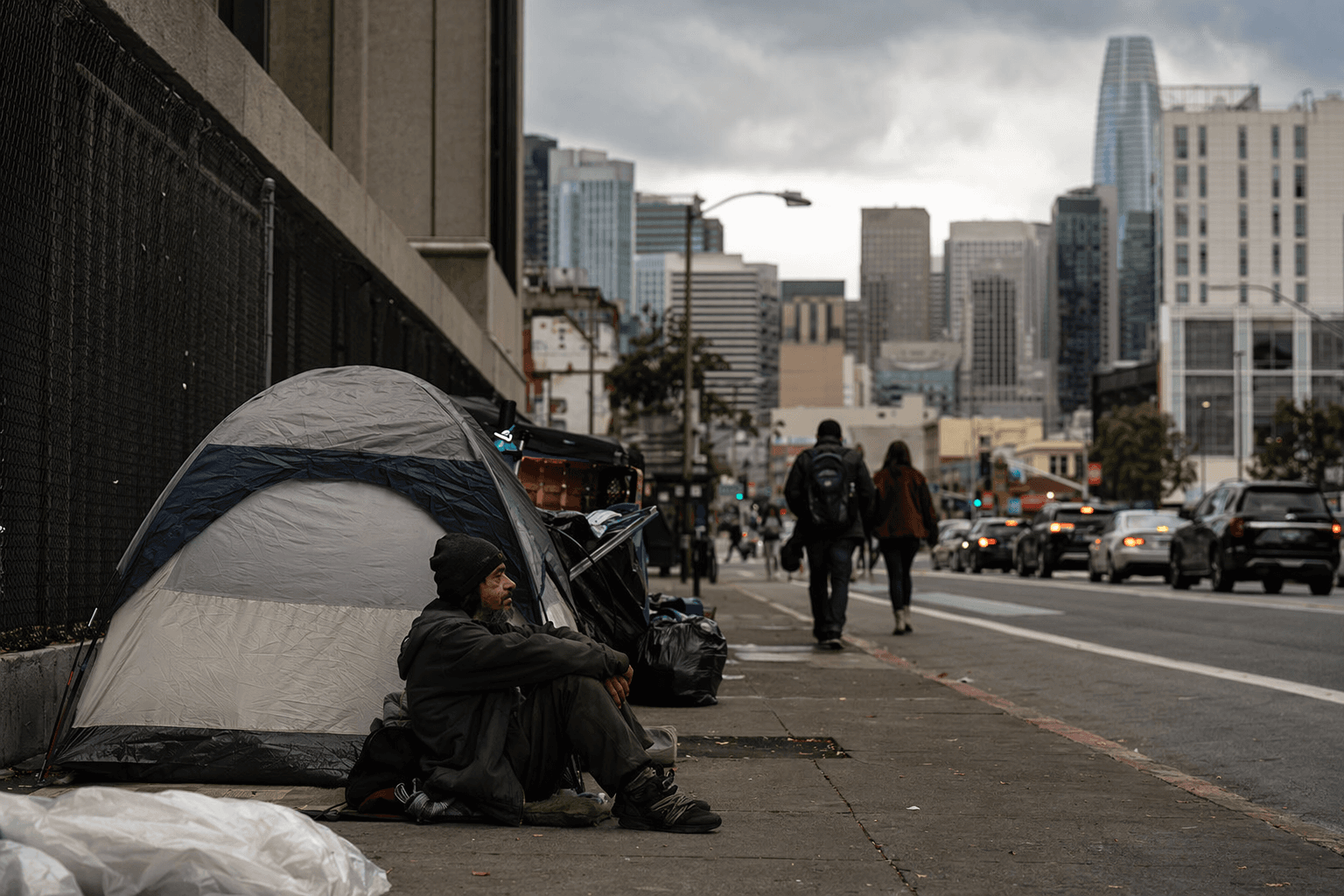
San Francisco’s homelessness budget is back at the center of the city’s fiscal triage as Mayor Daniel Lurie’s administration tries to close a projected $642.8 million general fund shortfall over the next two years. City budget officials say the gap, along with a separate structural deficit that could grow to $1.0886 billion by fiscal year 2029-30, is forcing hard choices over shelter, prevention, mental health services and permanent housing.
At stake is a plan that could move about $10 million out of the San Francisco Department of Homelessness and Supportive Housing’s general fund support, even as City Hall says it is not cutting services. Sophia Kittler, Lurie’s budget director, has said the change is a reworking of the funding mix because one-time revenue is disappearing. The administration wants to replace that money with Proposition C revenue, the homelessness gross receipts tax approved by voters in November 2018 and upheld by California courts in September 2020.
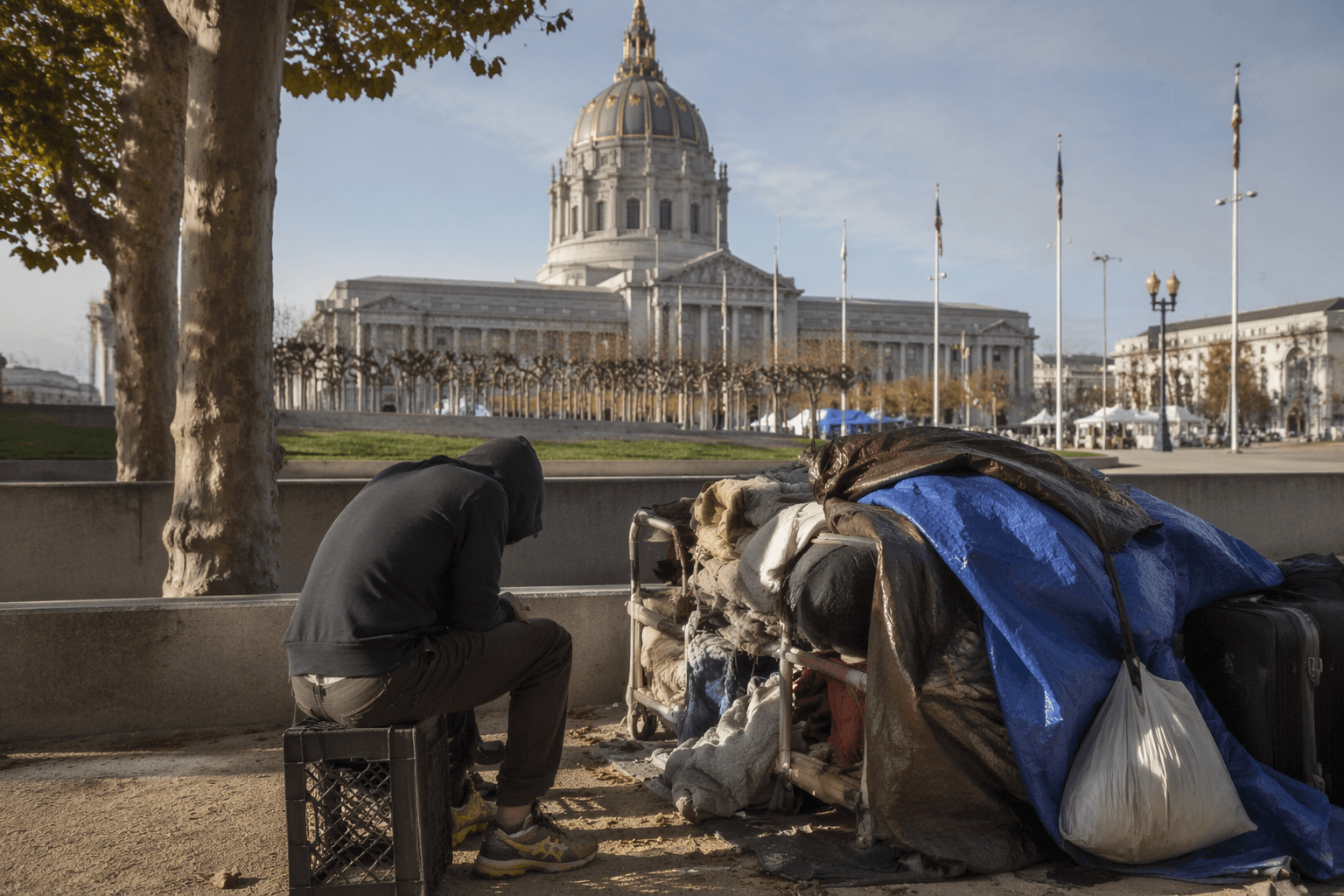
That shift is politically delicate because Proposition C was written with clear spending rules. At least 50% must go to permanent housing, at least 25% to mental health services, no more than 15% to prevention and no more than 10% to shelter and hygiene. Reallocating dollars inside that structure can still change what residents see on Polk Street, in shelter lines, and in the city’s long wait for supportive housing. A budget that leans harder on temporary shelter can ease pressure in the short term, but it can also leave less room for the longer-term services that keep people from cycling back onto the street.
The fight comes after a June 2025 compromise in which supervisors and the mayor, after more than 14 hours of negotiations, moved funding back toward homelessness prevention and housing instead of temporary shelter. In that earlier dispute, supervisors preserved funding for 57 of 100 filled jobs the mayor had proposed to cut while he was trying to close a nearly $800 million deficit.
Now the political lines are hardening again. Supervisor Shamann Walton said the city should do more if Proposition C money is available in surplus, while Supervisor Connie Chan said the best way to solve homelessness is to prevent it from happening in the first place. More than 70 people later packed a Board of Supervisors hearing to push for more spending on long-term housing for low-income residents, underscoring how closely voters and advocates are watching every reallocation. The city’s Homelessness Oversight Commission, created by voters in November 2022 and launched in May 2023, was designed to keep that money accountable. With H.R.1-related changes adding an estimated $306.3 million in two-year pressure, the question now is not just how San Francisco balances its books, but whether it does so by shrinking the city’s homelessness response into the cheapest near-term option.
This article was produced by Prism’s automated news system from verified source data, official records, and press releases, then run through automated quality and moderation checks before publishing. The system is built and supervised by the people who set the standards it runs under. Read our full AI policy.
Did this article answer your question?