Jenkins says San Francisco crime is falling, but more work remains
Property crime fell 32% in San Francisco’s early-2024 data, but Jenkins still faces questions over raids, charges and courtroom fairness.
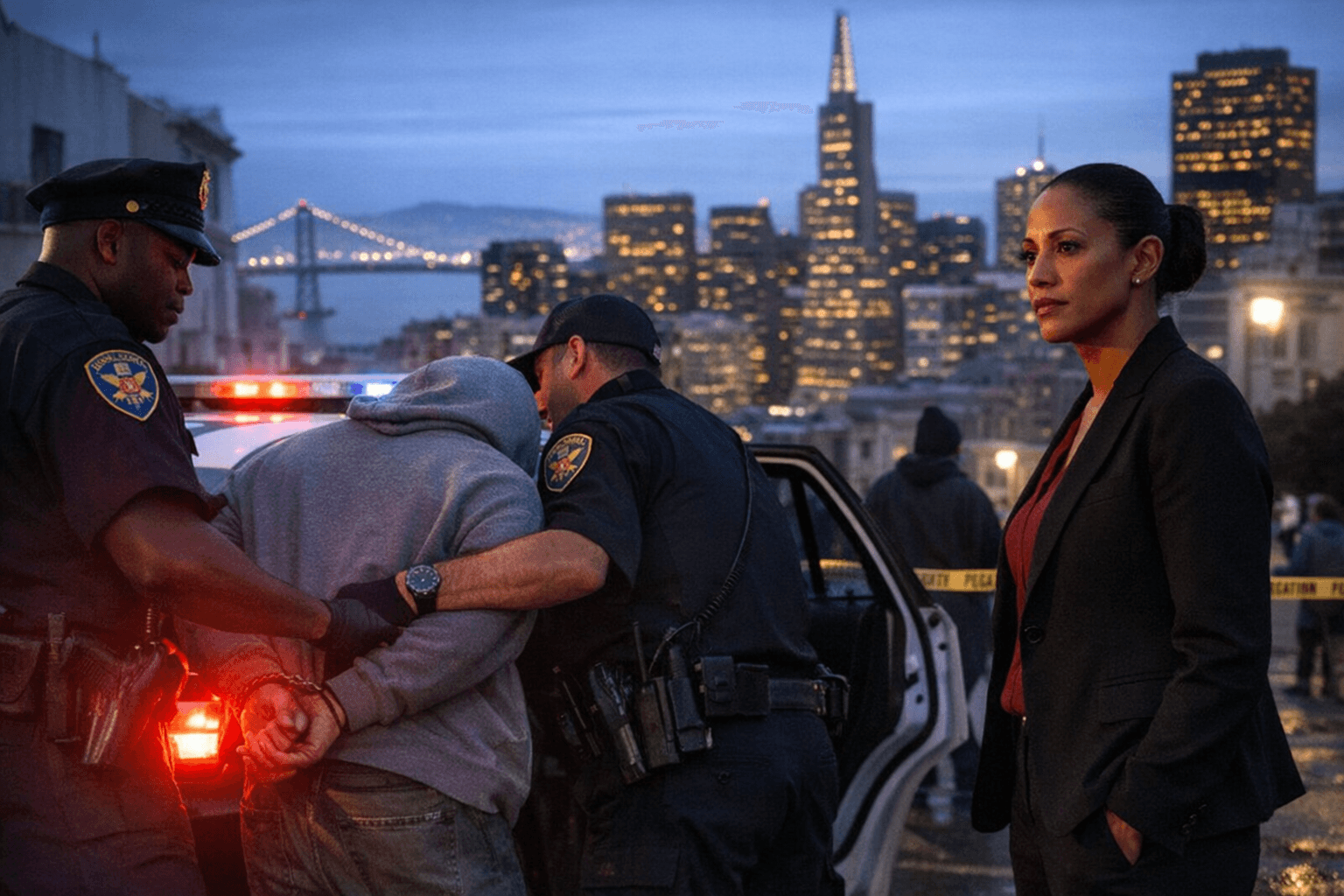
Brooke Jenkins is pressing a message San Francisco has heard often since she took office: crime is falling, and the city is getting tougher about who gets arrested, charged and held accountable. The numbers give her some backing. In the first quarter of 2024, San Francisco said property crime was down 32% and violent crime was down 14% compared with the same period in 2023.
That improvement also fit a longer trend City Hall has been eager to highlight. Officials said 2023 produced decade-low crime rates, apart from 2020, when the pandemic shutdown distorted the data, and they later announced that homicides and gun violence had reached historic lows. On paper, the city’s 2025 crime-trends reporting has continued to show year-to-date declines in homicide, robbery, assault, burglary and motor vehicle theft, although police officials have stressed that the weekly figures can fluctuate and remain preliminary.
For Jenkins, those numbers are central to her political identity. Appointed after the recall of Chesa Boudin and later elected district attorney, she has made a tougher-on-crime approach part of her public profile. Her case to San Franciscans is that stronger law enforcement collaboration, paired with more aggressive prosecutorial standards, is helping push the city in the right direction.
But the public test is not the spreadsheet alone. It is whether that decline shows up where people move, shop and wait every day, on Muni platforms, in downtown corridors and in retail districts that still feel fragile after years of pandemic-era disruption. The citywide trend suggests progress, yet the gap between fewer crimes reported and a visible sense of order remains one of Jenkins’s biggest challenges.
That tension surfaced sharply in March 2025, when about 40 people were arrested in a San Francisco drug-market raid and Jenkins said none had been charged yet. The episode underscored how quickly an arrest operation can become a debate over follow-through, as police pressure, prosecutorial review and court filings collide.
The scrutiny did not stop there. In April 2025, reporting said Jenkins entered a State Bar of California diversionary program over her handling of privileged information. In May 2025, the San Francisco Public Defender’s Office accused her office of a “pattern and practice” of withholding evidence. Together, those fights show that even as crime statistics move downward, the argument over fairness, transparency and public trust is still very much alive in San Francisco.
This article was produced by Prism’s automated news system from verified source data, official records, and press releases, then run through automated quality and moderation checks before publishing. The system is built and supervised by the people who set the standards it runs under. Read our full AI policy.
Did this article answer your question?