San Francisco weighs closing permanent supportive housing sites amid budget crunch
A 280-bed shelter at 711 Post Street is closing just as City Hall weighs PSH shutdowns, leaving residents and advocates asking what happens next.
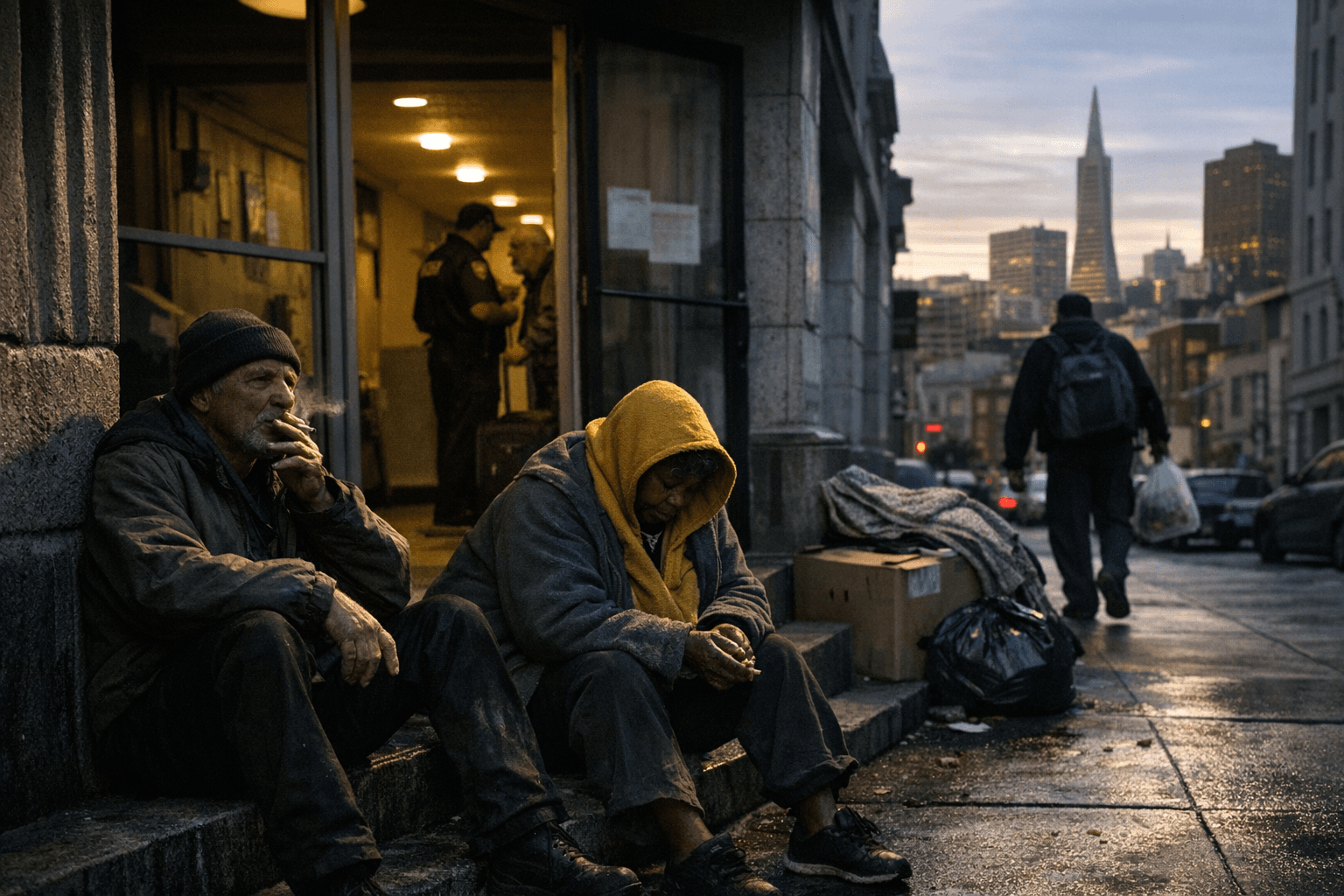
For Isaiah Jefferson, San Francisco’s housing debate is not theoretical. The nearly 300-bed shelter at 711 Post Street, on the edge of the Tenderloin and Lower Nob Hill, gave him, in his words, “a place to lay down at night rather than being on the streets,” and its closure has intensified fears that the city is losing bed space faster than it can replace it. Two other shelter sites have already closed, and advocates warn the city is on track to lose more than 450 shelter beds citywide. Jennifer Friedenbach of the Coalition on Homelessness called the trend “unprecedented.”
The bigger fight now reaches into permanent supportive housing, the long-term model San Francisco has used to house people who need both a unit and on-site services. Homeless service providers say Mayor Daniel Lurie’s team has met with housing operators about a potential list of buildings to be shut down, but the city has not said how many sites are under review, which residents would be rehoused, what services would replace them, or when any closures would take effect. Lurie’s administration says it wants housing and shelter to better match people with mental health and addiction treatment, and new homelessness chief Mike Levine has said the key measure is whether people are moving quickly and sustainably into stable, independent environments.
The budget pressure is real. HSH’s adopted budget was $846.3 million in fiscal 2024-25 and $677 million in fiscal 2025-26, with 60% of the two-year budget devoted to housing. That comes as the city controller projected a $642.8 million two-year deficit in March, down from $936.6 million in December. San Francisco’s Home by the Bay plan, which runs from 2023 to 2028, sets a goal of cutting unsheltered homelessness by 50% and total homelessness by 15%. In the same period, HSH says 5,256 people moved from homelessness to housing between July 2023 and June 2024, while a Board of Supervisors audit found PSH vacancies averaged 10.2% between January 2022 and May 2023, above the department’s 7% target, before HSH reported the overall vacancy rate had improved to 7.1% by Jan. 31, 2024.
That is why the practical question hanging over City Hall is not just whether closures save money, but what they cost somewhere else. HSH already houses more than 9,000 people in permanent supportive housing on a given night, and its own materials say it works to reduce vacancies rather than abandon units. If the city closes PSH without a clear backup plan, the likely result is a transfer of pressure to shelters, street outreach, emergency rooms, and other public systems already under strain. San Franciscans are watching to see whether the city protects the housing stock that keeps people inside, or settles for moving the crisis back into view.
This article was produced by Prism’s automated news system from verified source data, official records, and press releases, then run through automated quality and moderation checks before publishing. The system is built and supervised by the people who set the standards it runs under. Read our full AI policy.
Did this article answer your question?