Lands End trail mixes coastal views, hiking and Sutro Baths history
John Harris was turned away from Sutro Baths on July 4, 1897, and that fight still shadows one of San Francisco’s most scenic public walks.
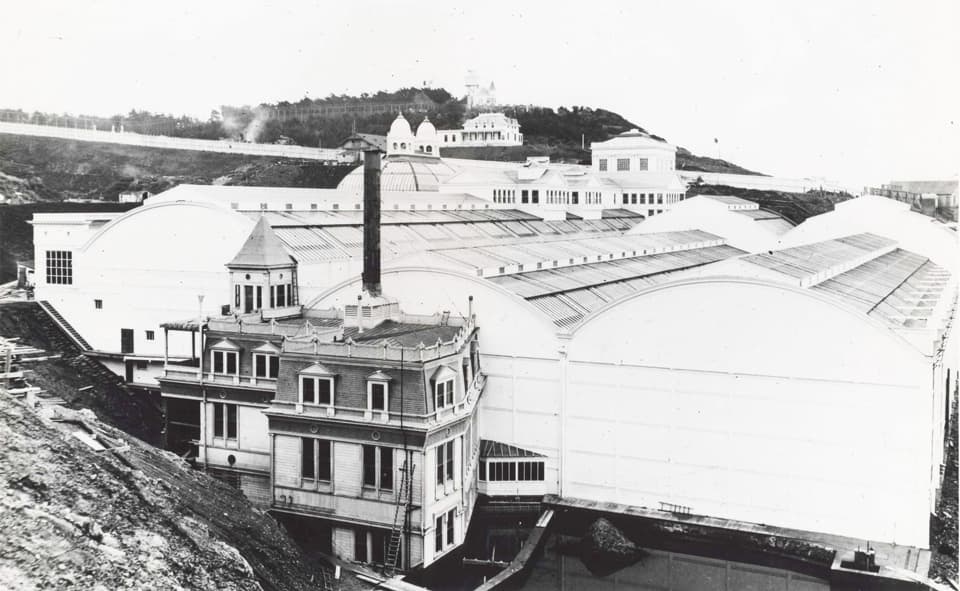
John Harris was turned away from Sutro Baths on July 4, 1897 after paying 25 cents for entry, a bathing suit and changing-room access. That act of discrimination turned a popular shoreline attraction into a civil-rights landmark, and the ruins still sit inside a public landscape where access, memory and recreation meet.
A coastline where history and access collide
Lands End sits at San Francisco’s northwestern edge, where cypress and eucalyptus give way to open views of the shore, the headlands and the Golden Gate. The same stretch of coast that now draws hikers also carries a layered history of exclusion, transformation and public use, from Yelamu Ohlone seasonal settlements to Sutro’s recreation empire and the modern trail network that threads through the site.
The shoreline was home to Yelamu Ohlone communities long before Spanish settlement in 1776, and the National Park Service puts the Yelamu population at around 200 when Spanish colonists arrived in the 1770s. They lived seasonally at Lands End and used shoreline resources including shellfish, seabirds and marine mammals, making the coast part of daily survival rather than a backdrop for sightseeing.
Why Sutro Baths still matters
Adolph Sutro opened Sutro Baths to the public in March 1896 as a low-cost recreation complex for San Franciscans. The facility covered three acres and included seven pools at different temperatures, slides, trapezes, springboards and a high dive, turning a remote corner of the city into a mass destination built for crowds rather than elites.
The Pacific Ocean at high tide could refill the 1.7 million gallons of water needed for all the pools in about an hour, and the baths could hold 10,000 people at once. Sutro also stocked the place with 20,000 bathing suits and 40,000 towels for rent, which made a visit feel less like a private club and more like an engineered public spectacle.
The complex included natural-history displays, sculptures, paintings, tapestries and artifacts from Mexico, China, Asia and the Middle East, including Egyptian mummies. Concerts, talent shows and restaurants turned the baths into an all-day outing, and a railroad was carrying visitors to Lands End by the late 1890s, helping transform the shoreline into a family destination.
The civil-rights fight embedded in the ruins
On July 4, 1897, John Harris, a Black San Francisco resident, visited the newly opened baths with white friends and was denied entry to the pools while his companions were admitted.

Harris sued Adolph Sutro, and the case became an early test of whether equal-access laws could actually stop discrimination in public accommodations.
Sutro Baths was sold in 1964 to Robert Fraser, who planned to replace it with a 200-unit apartment complex and restaurant. A fire in June 1966 destroyed what remained, and the ruins became part of the Golden Gate National Recreation Area in 1973, preserving the site inside a protected landscape instead of letting it disappear under development.
How to walk Lands End now
For a practical visit, the Lands End Lookout Visitor Center is the best place to begin or end the walk. It is open 7 days a week from 9 a.m. to 5 p.m., and the exhibits focus on historic places, artifacts, landscapes and geology, which makes it useful before you head out onto the trail or after you come back from the cliffs.

From there, the route can follow the Coastal Trail north along the edge of the city and the continent. Hikers can continue toward the Legion of Honor overlook, then back via the El Camino Del Mar Trail, creating a loop that combines sweeping views with a tangible sense of the coastline’s shape and scale.
- Start at Lands End Lookout to orient yourself with the geology and history exhibits.
- Walk the Coastal Trail toward Sutro Baths for the clearest view of the ruins and the shoreline.
- Continue toward the Legion of Honor overlook if you want a longer look at the city and the bay.
- Return via the El Camino Del Mar Trail to close the loop.
A visit works best when you treat the site as a sequence rather than a single stop:
Why locals keep coming back
The site connects to the Presidio and the California Coastal Trail through rocky bluffs and ocean views.
This article was produced by Prism’s automated news system from verified source data, official records, and press releases, then run through automated quality and moderation checks before publishing. The system is built and supervised by the people who set the standards it runs under. Read our full AI policy.
Did this article answer your question?