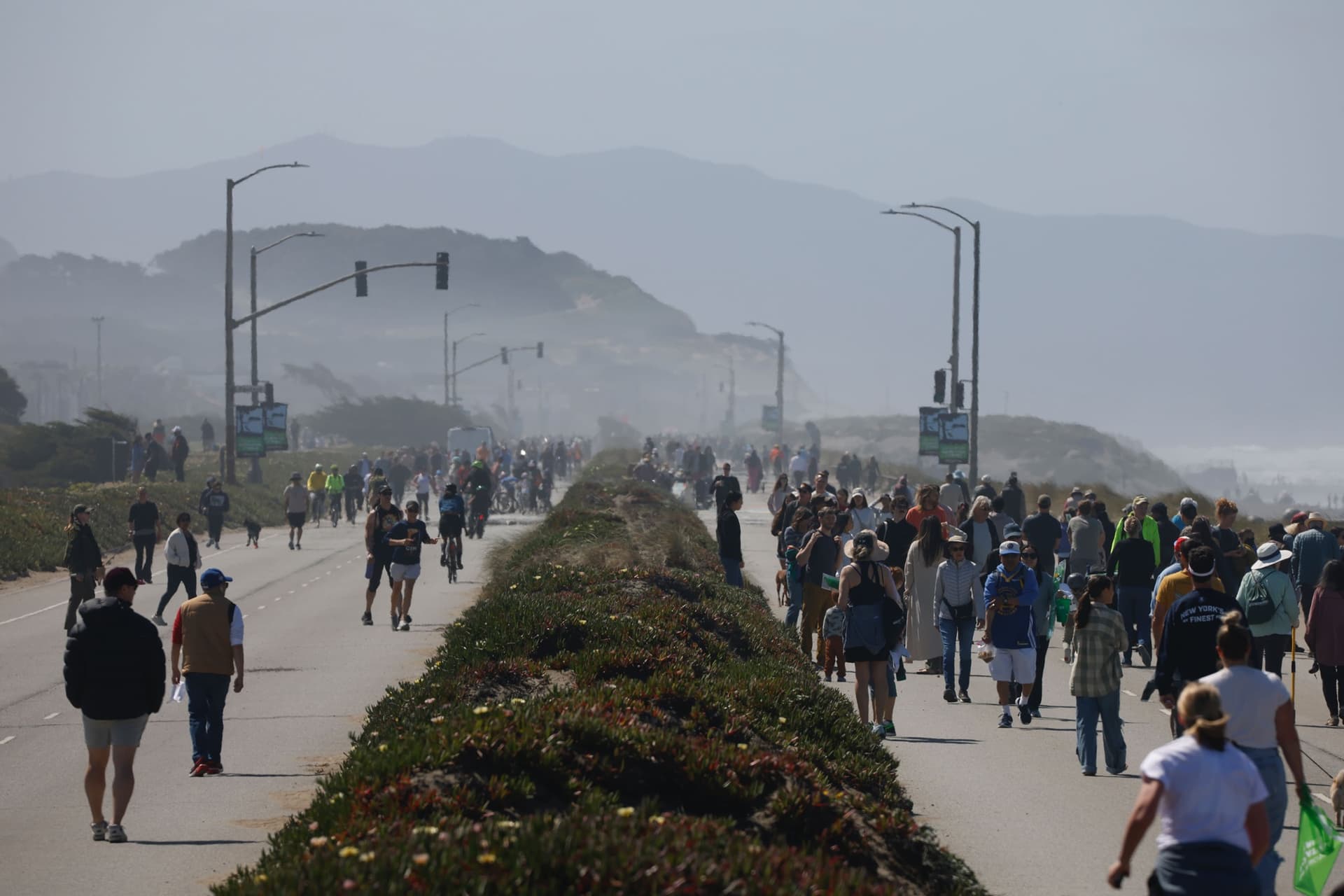
Lurie names Michael Martin permanent director of San Francisco Port
Lurie made Michael Martin the Port’s permanent director as the waterfront faces flood risk, vacant wharf space and a 435,766-square-foot hole at Pier 68.
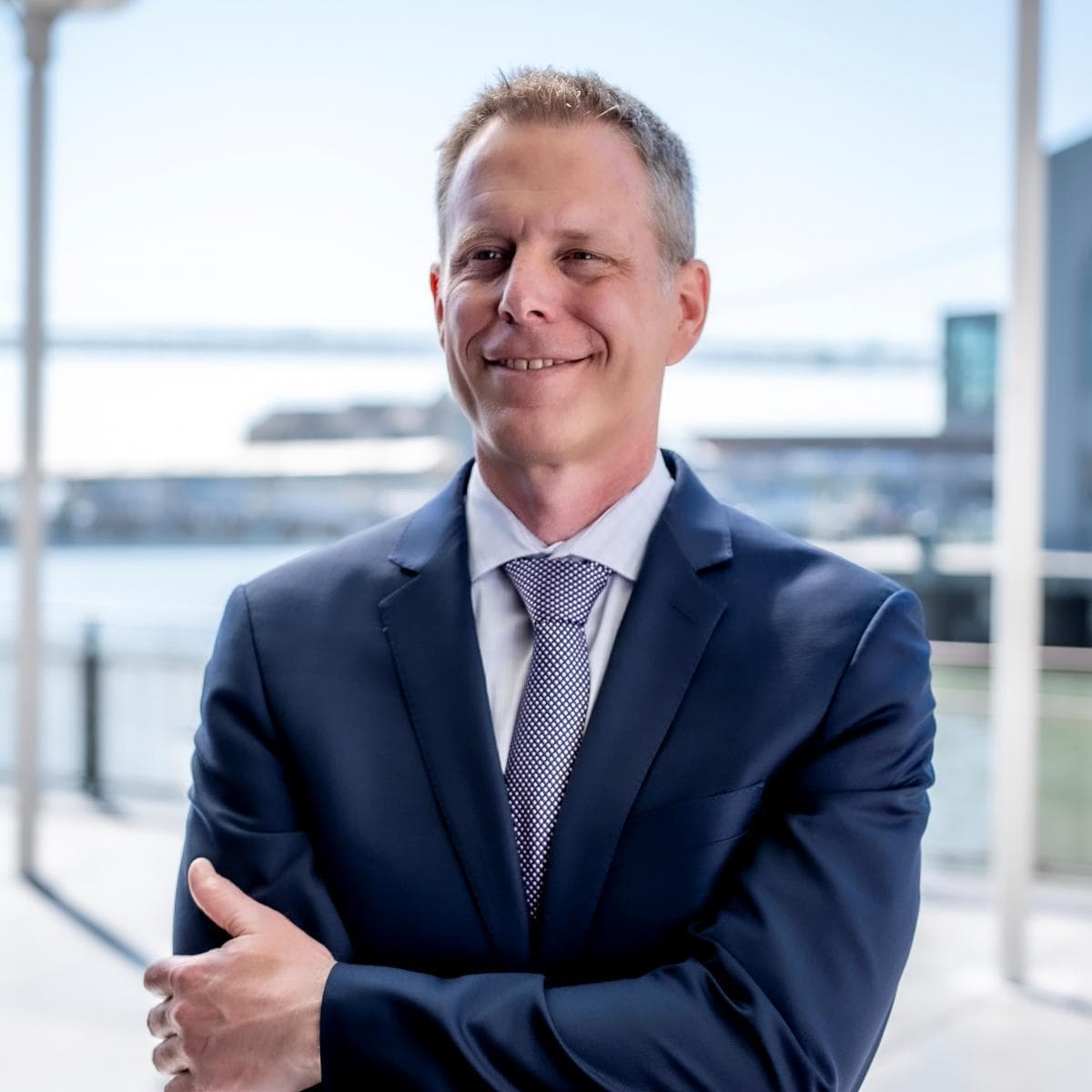
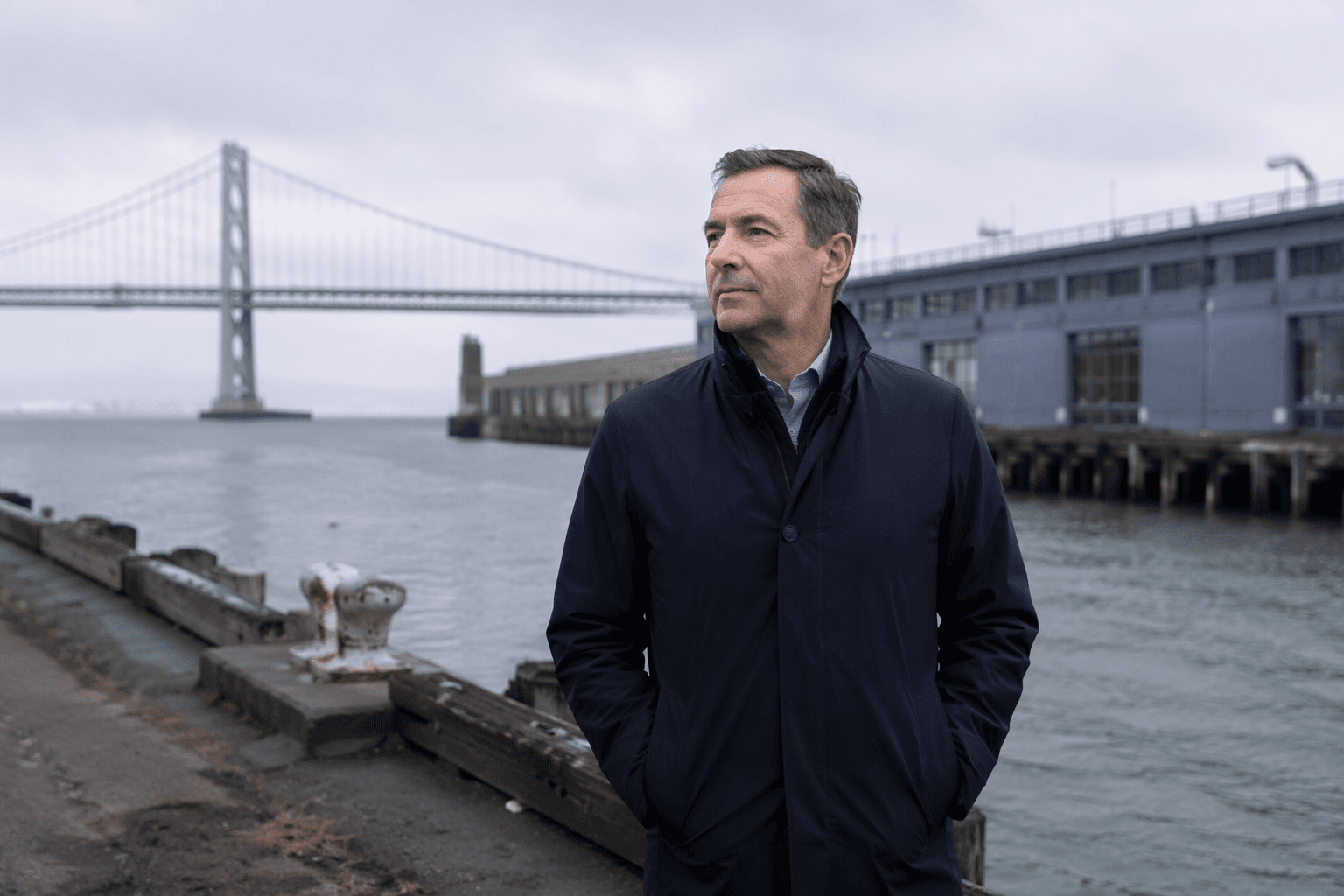
Mayor Daniel Lurie named Michael Martin the permanent director of the Port of San Francisco, putting a longtime waterfront manager in charge of one of the city’s most sensitive business districts. Martin had been serving in the acting role, and he already oversees 7½ miles of waterfront from Fisherman’s Wharf to Heron’s Head Park.
The first test for Martin is not ceremonial. The port’s waterfront resilience program says San Francisco faces coastal flood risk today and needs shoreline changes to handle 3 to 7 feet of sea-level rise by 2100, while also contending with earthquake risk now. The same program says those hazards threaten buildings, small businesses, jobs and critical transit services such as BART and Muni, which makes the port’s capital program a direct concern for neighborhoods and merchants along the Embarcadero.
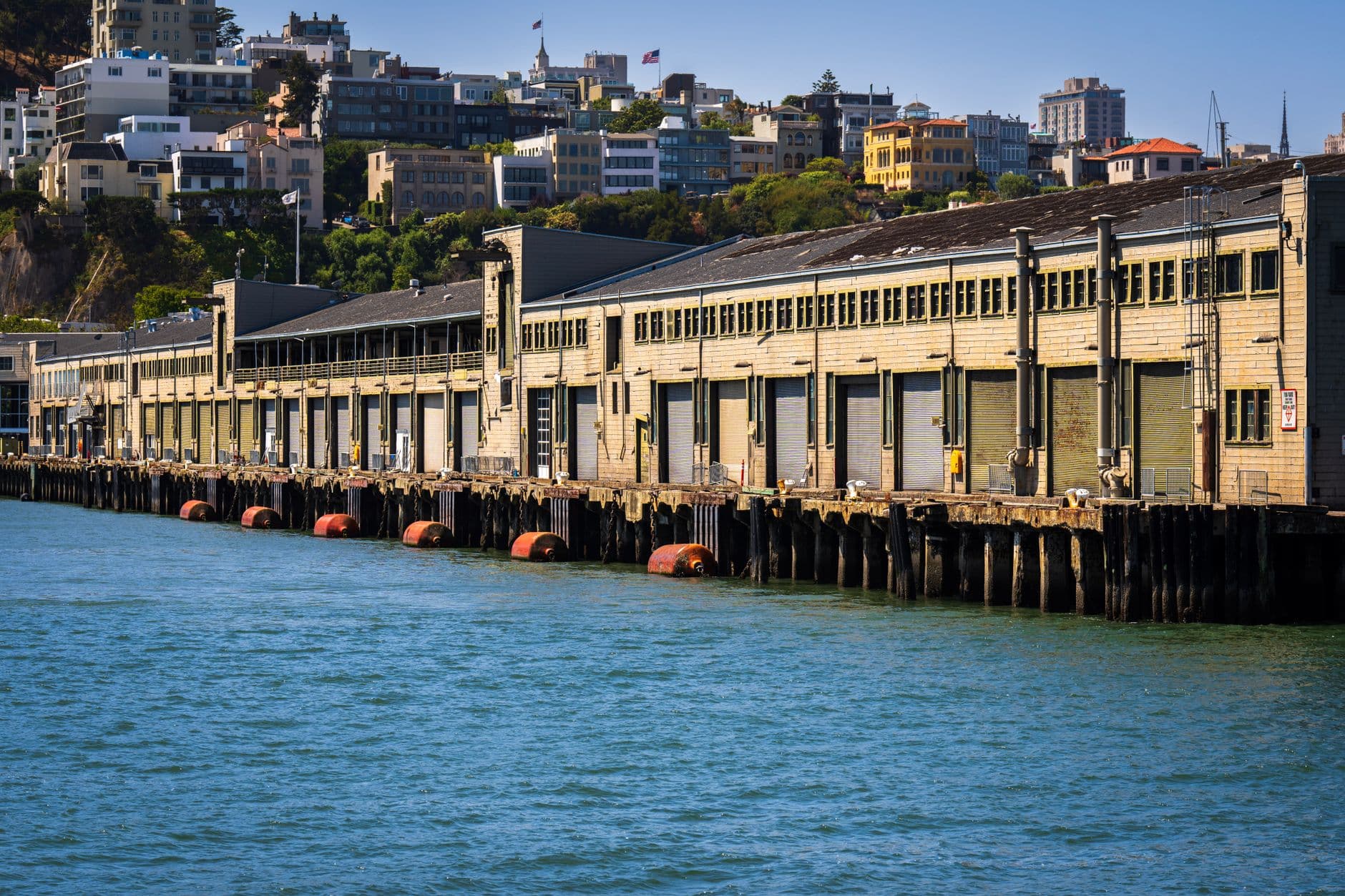
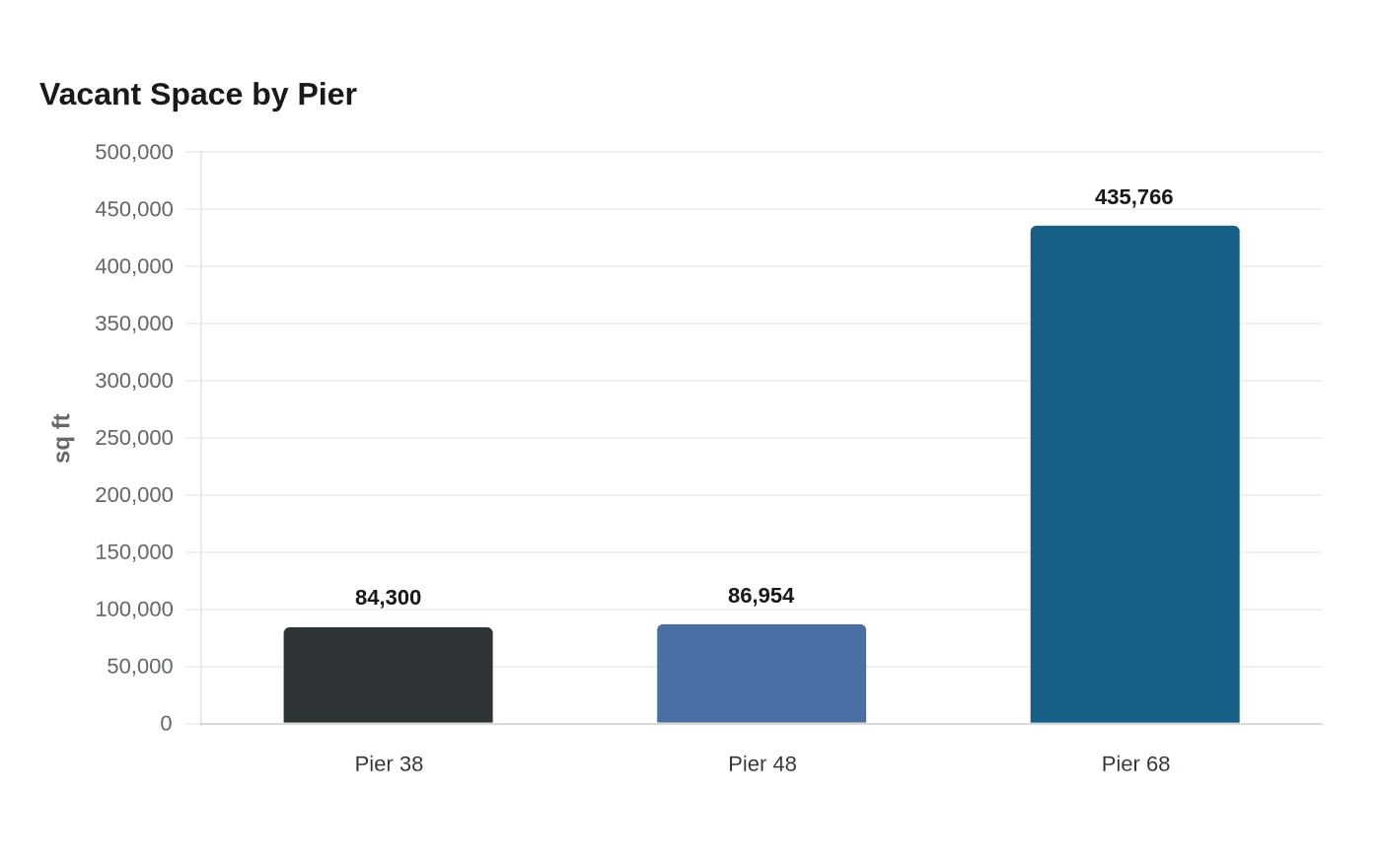
Martin also inherits a waterfront with visible vacancies. The port’s vacant-space inventory lists 84,300 square feet at Pier 38, 86,954 square feet at Pier 48 and 435,766 square feet at Pier 68, underscoring how much of the shoreline is still underused. In Fisherman’s Wharf, port staff have been pushing an “activation approach” for long-empty restaurant spaces, including former Tarantino’s and Fisherman’s Grotto #9, after earlier efforts failed to attract a viable tenant for Alioto’s because of the property’s size and the investment required.
Over the next six to 12 months, the clearest measure of Martin’s tenure will be whether those plans turn into leases, construction milestones and steadier foot traffic. The port’s 2026-30 strategic plan calls for higher occupancy, more efficient leasing, stronger support for local businesses, expanded waterfront events and a secondary electrified cruise terminal to increase tourism. Fisherman’s Wharf Forward is scheduled to finish its near-term enhancements between June 2025 and summer 2026, while its long-term resilience work is slated to run through fall 2030, giving Martin a short window to show whether the port can convert its waterfront strategy into visible results.
This article was produced by Prism’s automated news system from verified source data, official records, and press releases, then run through automated quality and moderation checks before publishing. The system is built and supervised by the people who set the standards it runs under. Read our full AI policy.
Did this article answer your question?