Reopening San Francisco's Great Highway could cost at least $10.75 million
Reopening the Great Highway for weekday cars would cost San Francisco at least $10.75 million, with most of the bill tied to signal work and repaving. The question now is whether drivers deserve that price tag.
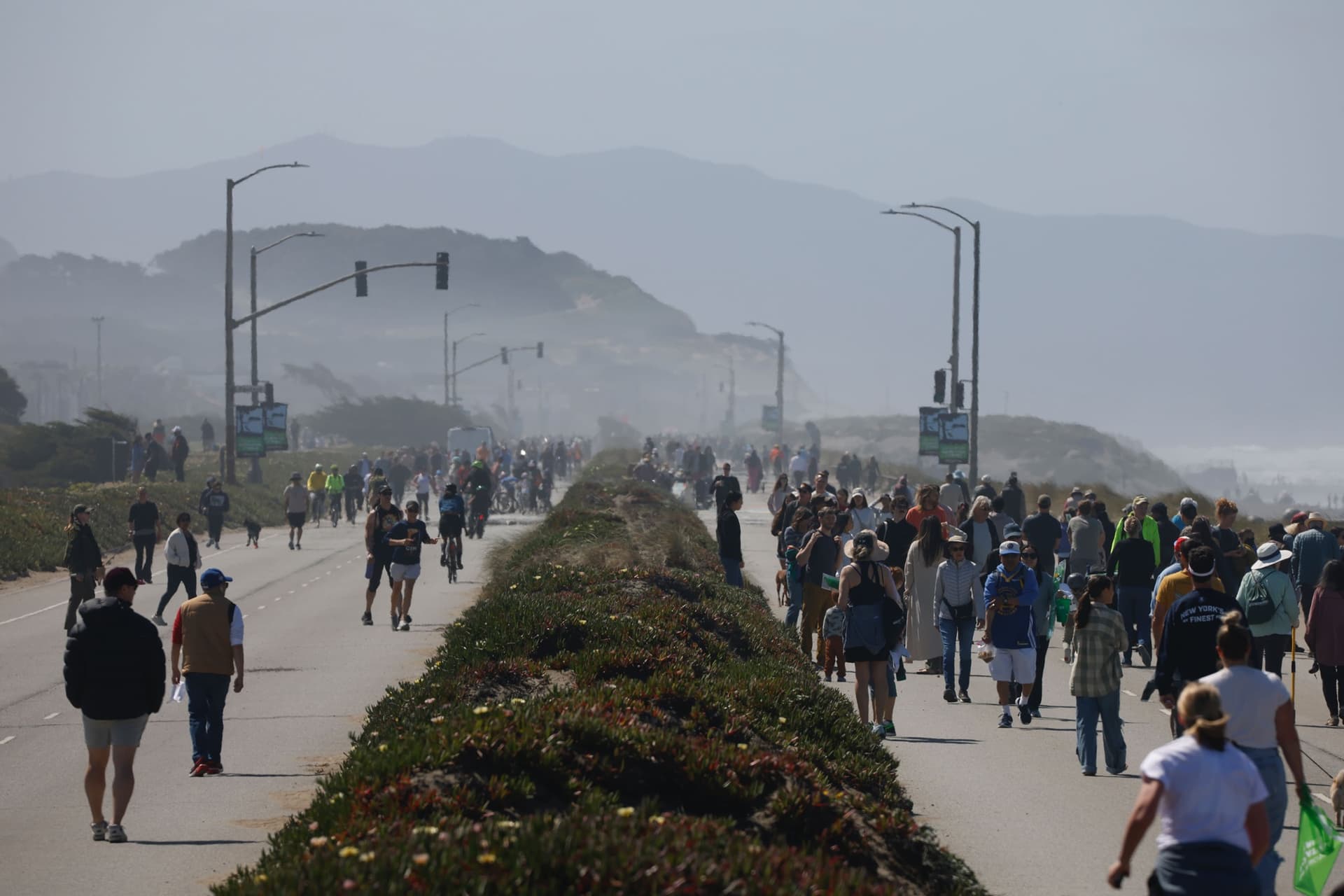
Reopening a stretch of the Great Highway to weekday car traffic would cost San Francisco at least $10.75 million, most of it for signal replacements and road work at key west-side intersections. The price tag lands squarely in the middle of a bruising fight over Sunset Dunes, the 2-mile, 50-acre park that replaced the Upper Great Highway after voters approved Proposition K.
The estimate breaks down into about $10 million from the San Francisco Municipal Transportation Agency for repaving and replacing signals at Judah Street, Sloat Boulevard, Lincoln Way and the Great Highway itself. The Recreation and Parks Department would add roughly $750,000 to remove park elements and restore road surfaces. If other city department costs are counted, the total could rise to $13.75 million.
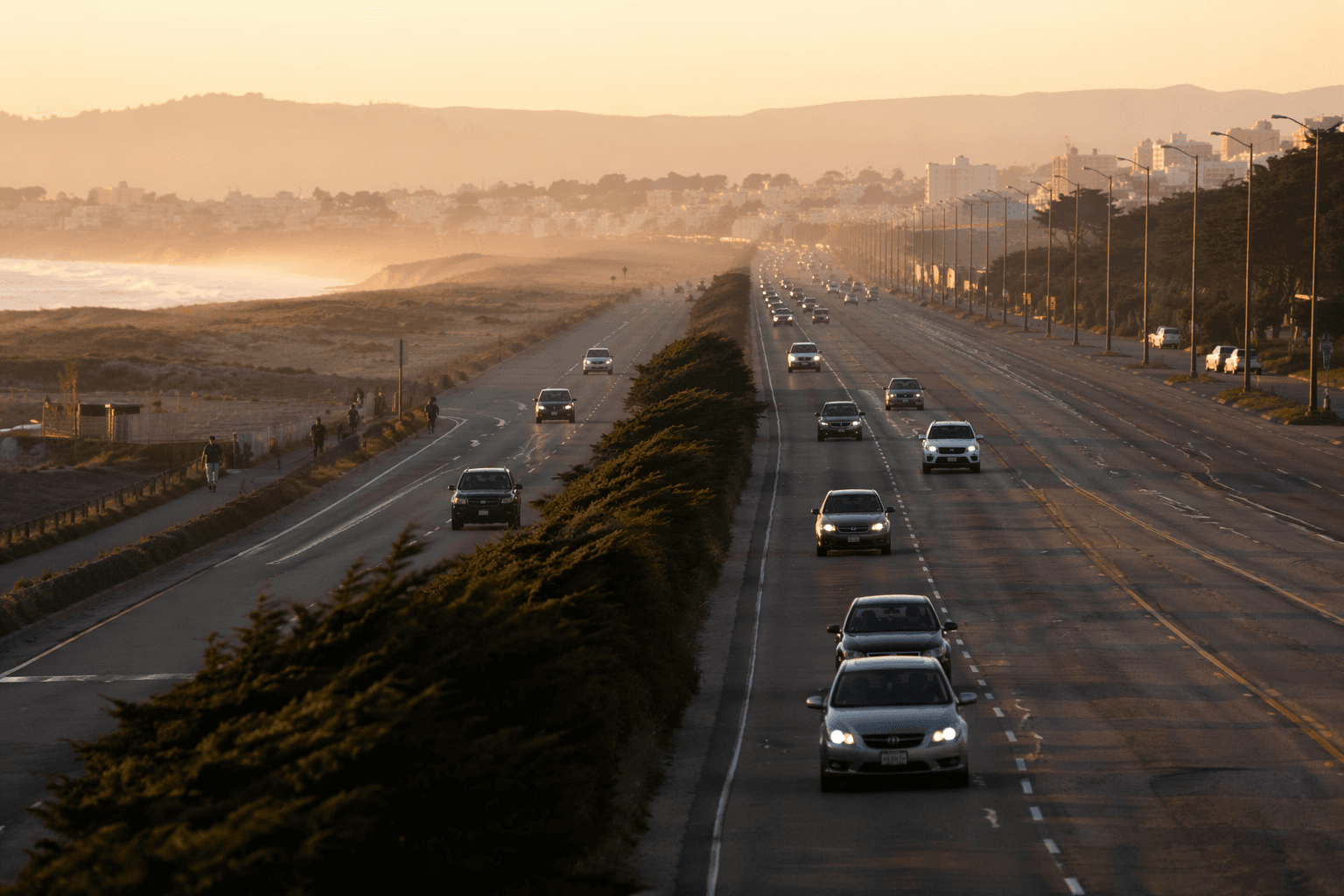
That is the number looming over the newest effort to restore weekday driving on the oceanfront road. Supporters are circulating the Great Highway for Everyone Act, a petition that would put the issue before voters in November if it qualifies. The proposal would allow private cars on the Upper Great Highway at all times except weekends and holidays, with one version allowing traffic from Friday at 6 p.m. until Monday at 4 a.m.
The political stakes are heightened by what the city already built. San Francisco voters approved Proposition K on November 5, 2024, closing the Upper Great Highway to private vehicles seven days a week and creating public open recreation space. The California Coastal Commission unanimously approved the permit on December 12, 2024, and Sunset Dunes opened on April 12, 2025. Recreation and Parks describes the park as the largest pedestrianization project in California history, stretching from Lincoln Way to Sloat Boulevard.
Opponents say spending millions of taxpayer dollars to undo that change makes little sense, especially when the city is still carrying other transportation and infrastructure needs. Friends of Sunset Dunes has argued that the proposal would strip away a new public space and force the city to spend scarce money on a roadway reversal instead of service and maintenance elsewhere. The debate has also turned legal: on June 26, 2026, supporters of the park filed suit challenging the ballot petition, and they say it is the fourth attempt to return the Great Highway question to the ballot.
The cost estimate arrives as the San Francisco Municipal Transportation Agency is already under strain. The agency recently approved a balanced two-year operating budget of about $1.5 billion for fiscal year 2026-27 and $1.6 billion for fiscal year 2027-28, while still facing a significant funding shortfall. Against that backdrop, even a $10.75 million to $13.75 million roadway conversion is not a small line item. It is a direct test of what west-side drivers would gain, what park users would lose, and how much city leaders can justify spending to change course again.
This article was produced by Prism’s automated news system from verified source data, official records, and press releases, then run through automated quality and moderation checks before publishing. The system is built and supervised by the people who set the standards it runs under. Read our full AI policy.
Did this article answer your question?