San Francisco planning chief discusses state housing mandates on KALW
San Francisco’s housing backlog dwarfs the city’s pace of construction, and new state laws are colliding with local permit delays and fees that can add $100,000 before a shovel hits dirt.

San Francisco Planning Director Sarah Dennis Phillips used KALW’s State of the Bay to walk through California’s latest housing laws while the city’s own numbers underscored the gap between state mandates and local delivery. San Francisco was assigned more than 82,000 homes by 2031, but by early July 2026 it had built just over 5,000.
The discussion aired July 14 and came after Gov. Gavin Newsom signed AB 130 and SB 131 on June 30, 2025, as part of the 2025-2026 state budget. Terner Center for Housing Innovation has described 2025 as a banner year for housing supply and land-use reform, building on earlier legislation including SB 35 in 2017, SB 330 in 2019 and SB 423 in 2023.
Phillips, who was appointed by Mayor Daniel Lurie in June 2025, is the first woman to serve as San Francisco planning director. Her arrival came as the city was already under pressure to move faster on housing approvals, and the state kept tightening the screws in 2026 with new reforms aimed at speeding production, cutting costs and addressing home insurance problems.
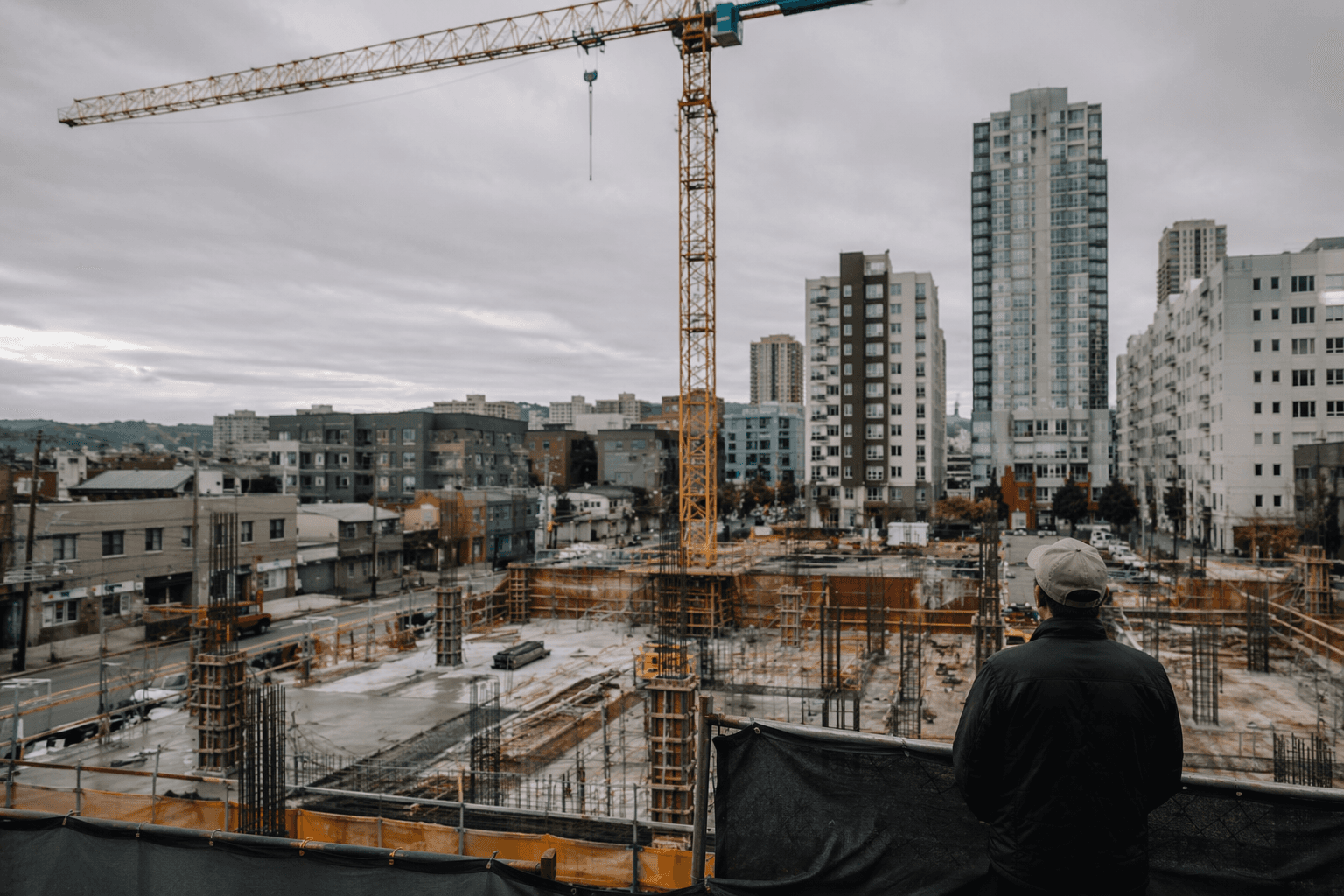
The practical bottlenecks remain local. Permit delays and impact fees can run up to $100,000 per home before construction begins, a burden that can reshape whether a project pencils out in the first place. That makes San Francisco’s Planning Department, along with other city offices, a critical choke point even as Sacramento pushes preemption and streamlining to reduce the time and money needed to get housing built.

California’s new cabinet-level housing and homelessness agency began operating July 1, 2026, adding another layer to a statewide effort to speed approvals and push cities toward compliance. In San Francisco, the question for renters and first-time buyers is not whether the state wants more housing, but how quickly the city can turn those mandates into permits, financing and finished units before more years slip by with most of its RHNA target still unmet.
This article was produced by Prism’s automated news system from verified source data, official records, and press releases, then run through automated quality and moderation checks before publishing. The system is built and supervised by the people who set the standards it runs under. Read our full AI policy.
Did this article answer your question?