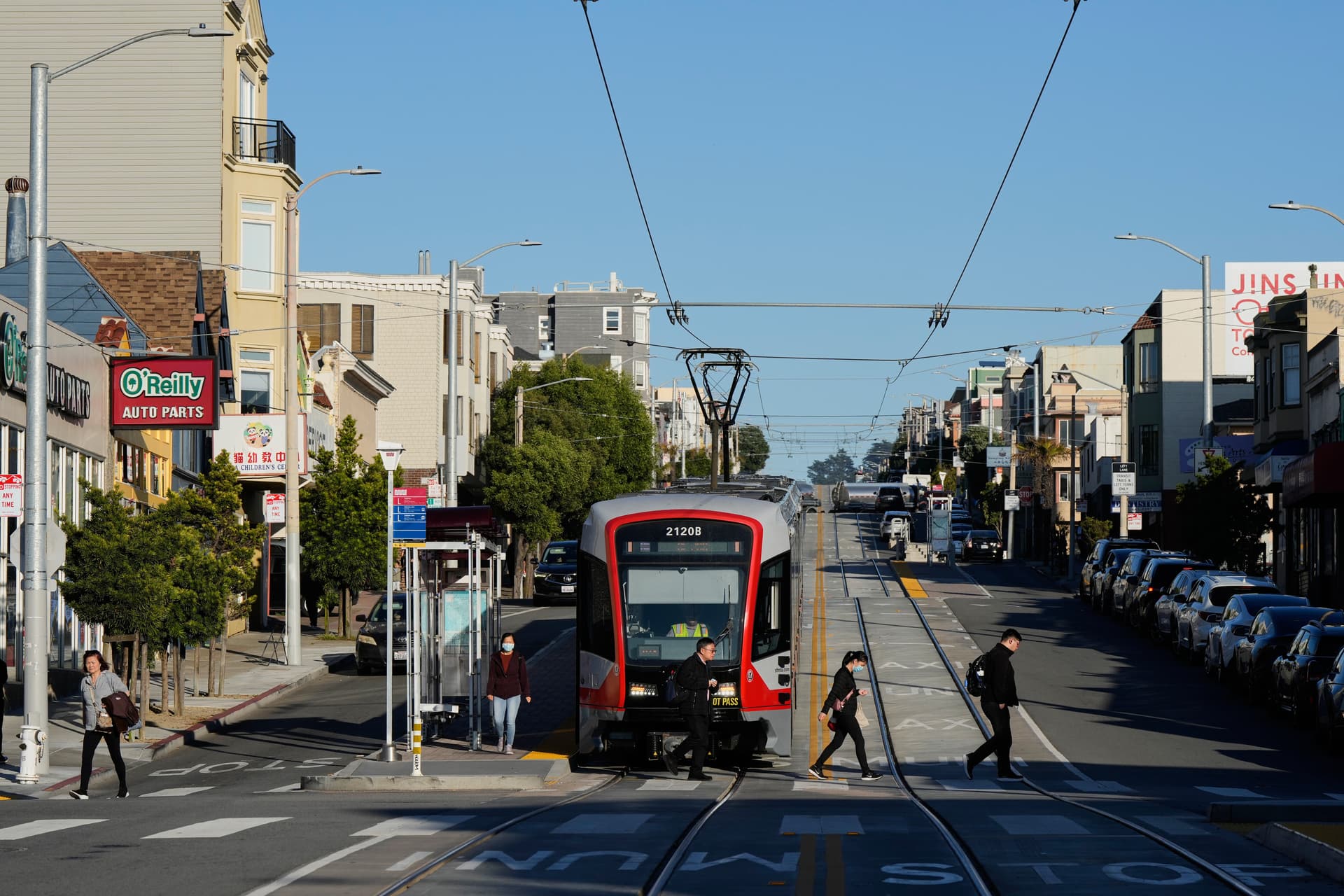
Lurie urges stricter robotaxi rules after July 4 traffic gridlock
Waymo cars helped snarl Fourth of July traffic, and Daniel Lurie wanted statewide rules to pull robotaxis out of active lanes during emergencies. San Francisco was pushing back on being treated as the test bed.
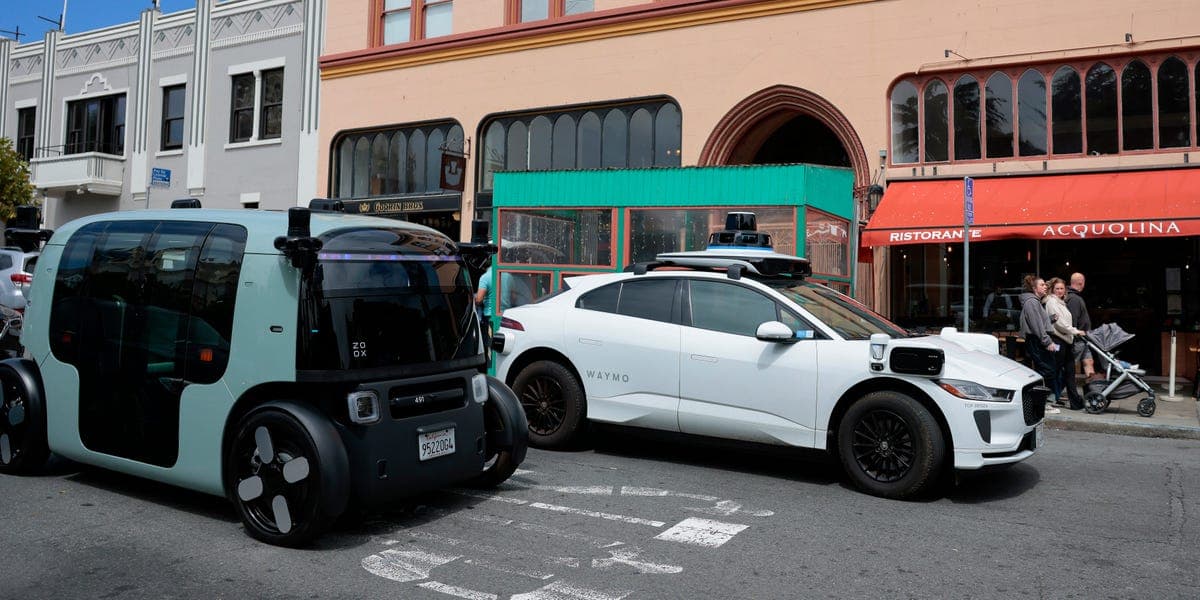
San Francisco Mayor Daniel Lurie pushed for tighter robotaxi rules after Waymo vehicles helped gridlock the city during Fourth of July celebrations, saying California should set statewide standards for autonomous cars at major events and emergencies. His plan would require companies to remove or relocate robotaxis from active travel lanes right away so traffic can keep moving.
The move put a local street problem at the center of a broader state fight over who controls driverless cars in San Francisco. Lurie has made clear he is frustrated with the city being used as an autonomous vehicle testing ground, and his latest push focused on the most visible disruption: stalled robotaxis sitting in streets when crowds were already trying to move around the city’s holiday traffic.
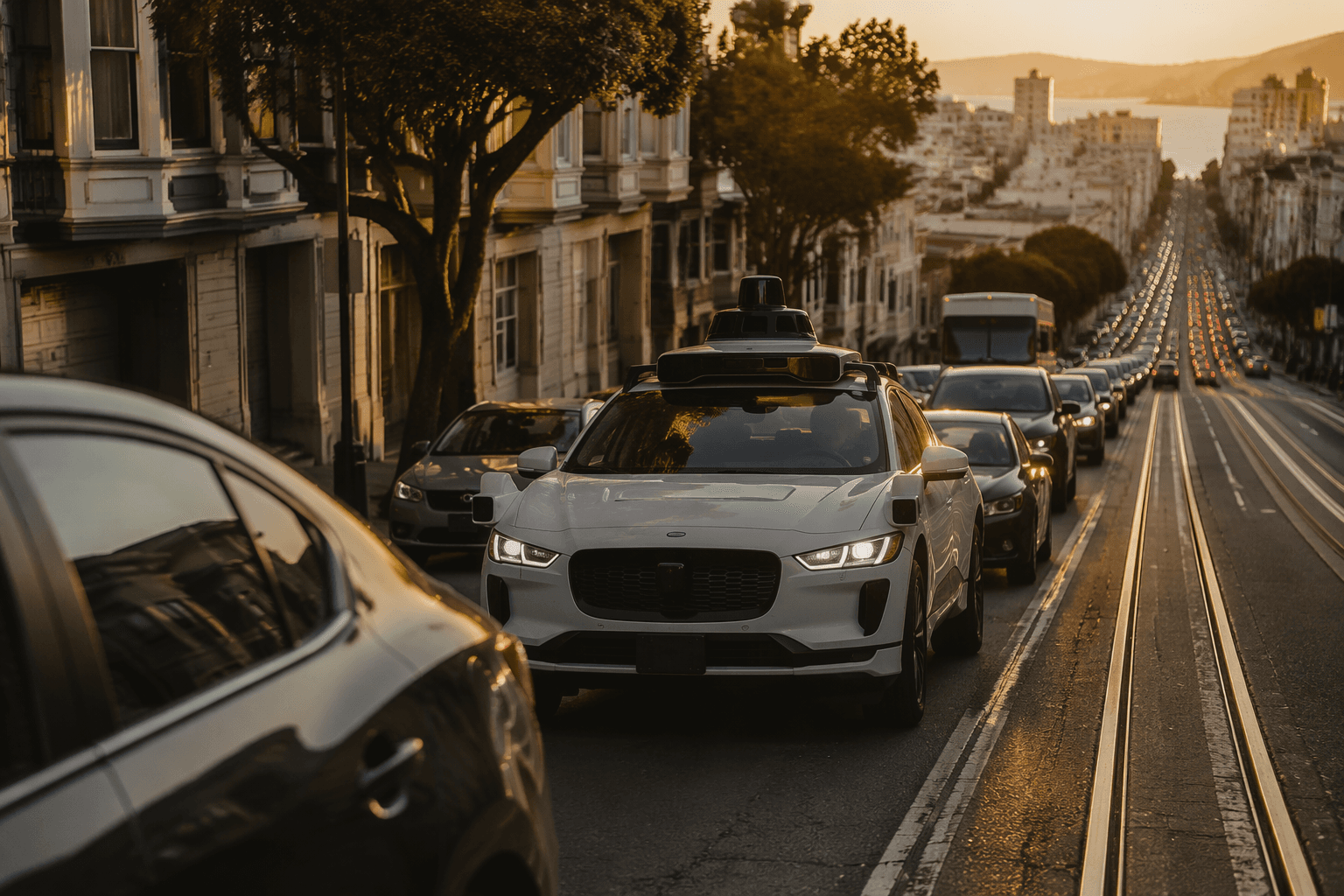
San Francisco has been one of the main places where autonomous vehicles operate at scale. On Aug. 10, 2023, the California Public Utilities Commission approved permits for Cruise LLC and Waymo LLC to charge fares for passenger service in San Francisco, and the commission later expanded robotaxi hours citywide, including 24/7 service without safety drivers. That regulatory green light helped make the city one of the busiest AV markets in the country.
The San Francisco Municipal Transportation Agency says San Francisco and the Phoenix area are the world’s leading cities for testing automated driving. It also says Cruise, Waymo and Zoox have had the largest and most visible AV fleets in San Francisco for several years, turning neighborhoods from downtown to the waterfront into real-world proving grounds for the technology.
State enforcement has also changed. New California Department of Motor Vehicles rules that took effect July 1, 2026, allow law enforcement to ticket autonomous vehicle companies. That shift gives cities and police a sharper tool than they had before, but it does not settle the larger argument over whether San Francisco or Sacramento should set the boundaries for robotaxi operations when the streets are full, the city is hosting a major event, or an emergency demands clear lanes.
The conflict has simmered for years between San Francisco officials and state regulators over robotaxi deployment, including earlier city action against CPUC decisions to expand driverless rides. Lurie’s latest push made that dispute more immediate, tying policy arguments directly to the traffic mess residents saw on the ground over the holiday.
This article was produced by Prism’s automated news system from verified source data, official records, and press releases, then run through automated quality and moderation checks before publishing. The system is built and supervised by the people who set the standards it runs under. Read our full AI policy.
Did this article answer your question?