Mission District senior housing opens, 145 apartments nearly full
A former Sears parking lot on Valencia Street opened as 145 senior studios, and 97% were already filled, underscoring fierce demand in the Mission.

A former Sears parking lot on Valencia Street is now one of San Francisco’s tightest senior housing sites: 145 studio apartments for residents 55 and older, with the building already 97% occupied as it opened. That means only a handful of units remained in a project built for older adults who are homeless or at imminent risk of homelessness, a reminder of how hard it has become for longtime San Franciscans to stay in the neighborhood.
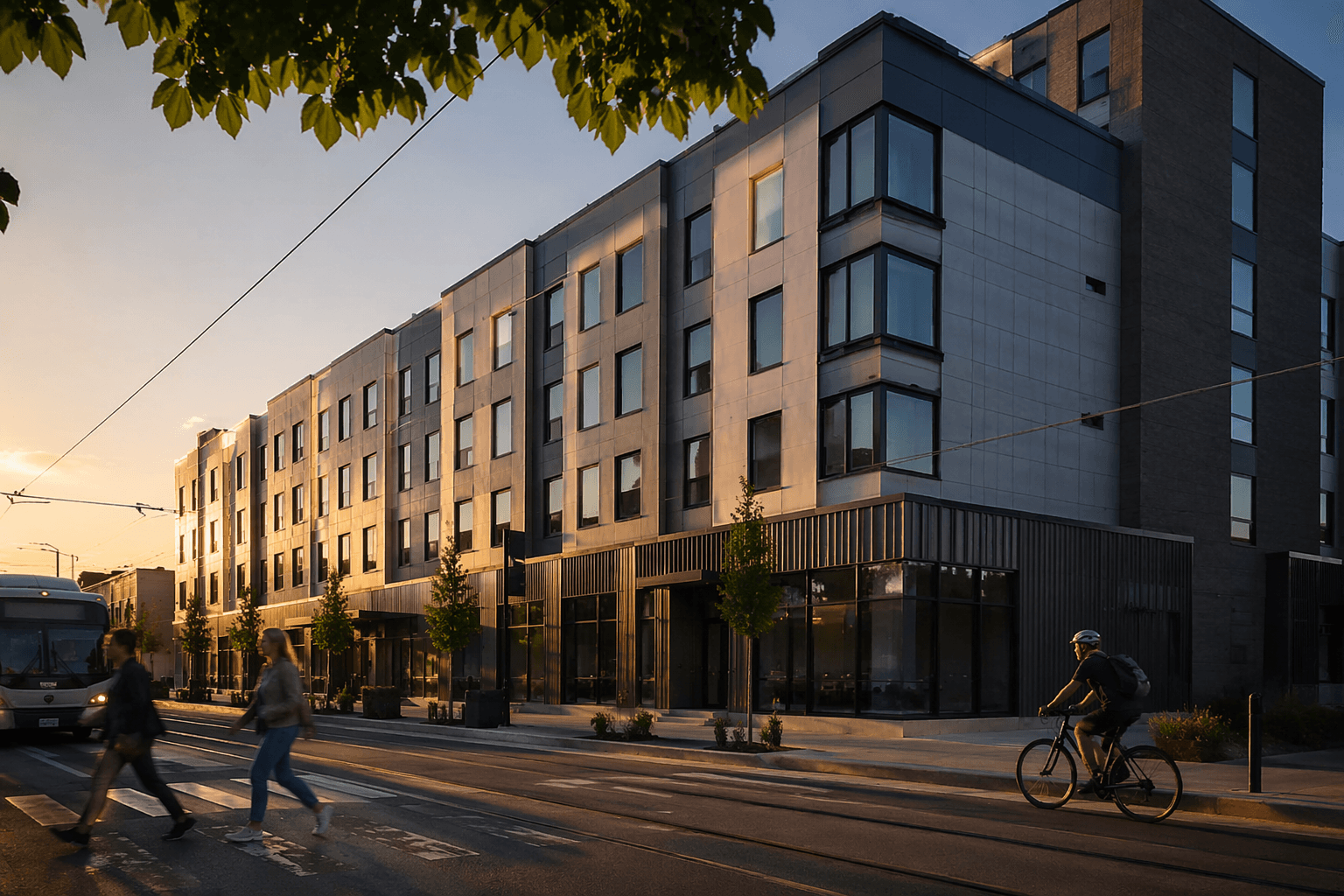
The building at 1633 Valencia Street sits on the border of the Mission District and Bernal Heights, turning an underused parcel into permanent supportive housing in a part of the city where displacement pressure has been constant. Mercy Housing partnered with the San Francisco Housing Accelerator Fund to develop the project, and Felton Institute is providing supportive services on site to help residents hold onto their apartments and build community connections.
The services package is central to the project’s design. Mercy Housing says residents have access to on-site resident services, health and wellness workshops, financial stability workshops, a supportive-services suite and an on-site food pantry. City and housing officials have framed the building not just as new supply, but as a way to keep older adults housed in one of the city’s most expensive neighborhoods.
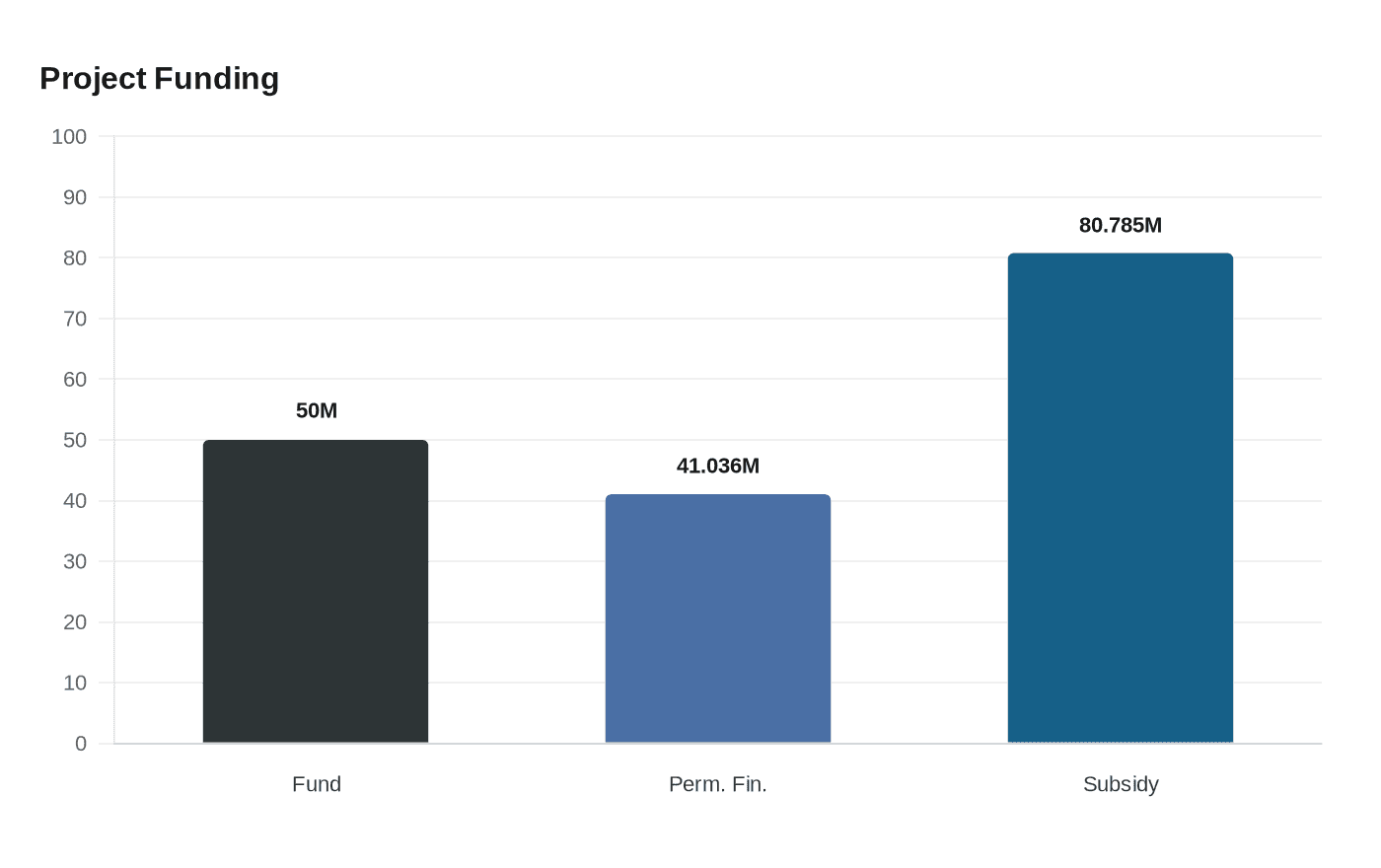
The project was first announced as the inaugural development funded by the Bay Area Housing Innovation Fund, a $50 million investment vehicle launched by the San Francisco Housing Accelerator Fund with Sobrato Philanthropies, Destination: Home and Apple. Mayor London Breed joined the groundbreaking in July 2024, when the city described 1633 Valencia as a 100% affordable housing development for seniors experiencing or at risk of homelessness.
The financing also reflects the scale of the effort. The Housing Accelerator Fund has said the project worked out to about $540,000 per home. City loan documents show up to $41,036,048 in permanent financing and $80,785,406 in Local Operating Subsidy Program support over 18 years. City procurement documents identify the building as a 145-unit permanent supportive housing site plus one staff unit, with support-services contracts scheduled to begin Sept. 1, 2025.
At 64 feet tall and about 67,650 square feet, the building includes secure bike storage for 32 bicycles and fully furnished units with utilities included. Mercy Housing said the development was expected to start accepting referrals in fall 2025 and open in January 2026, and its near-full occupancy at opening now shows how quickly demand filled it.
The broader need is stark. UCSF’s Benioff Homelessness and Housing Initiative has found that nearly half of single homeless adults in California are age 50 or older, and the median monthly income before homelessness for older adults in the study was just $920. In the Mission, that demand is now visible in a building that filled almost as soon as it opened.
This article was produced by Prism’s automated news system from verified source data, official records, and press releases, then run through automated quality and moderation checks before publishing. The system is built and supervised by the people who set the standards it runs under. Read our full AI policy.
Did this article answer your question?