Researchers probe tiny microplastics in San Francisco Bay runoff
A battery-powered sampler in Millbrae is chasing microplastics in runoff before they reach the Bay, exposing how much San Francisco still does not measure.

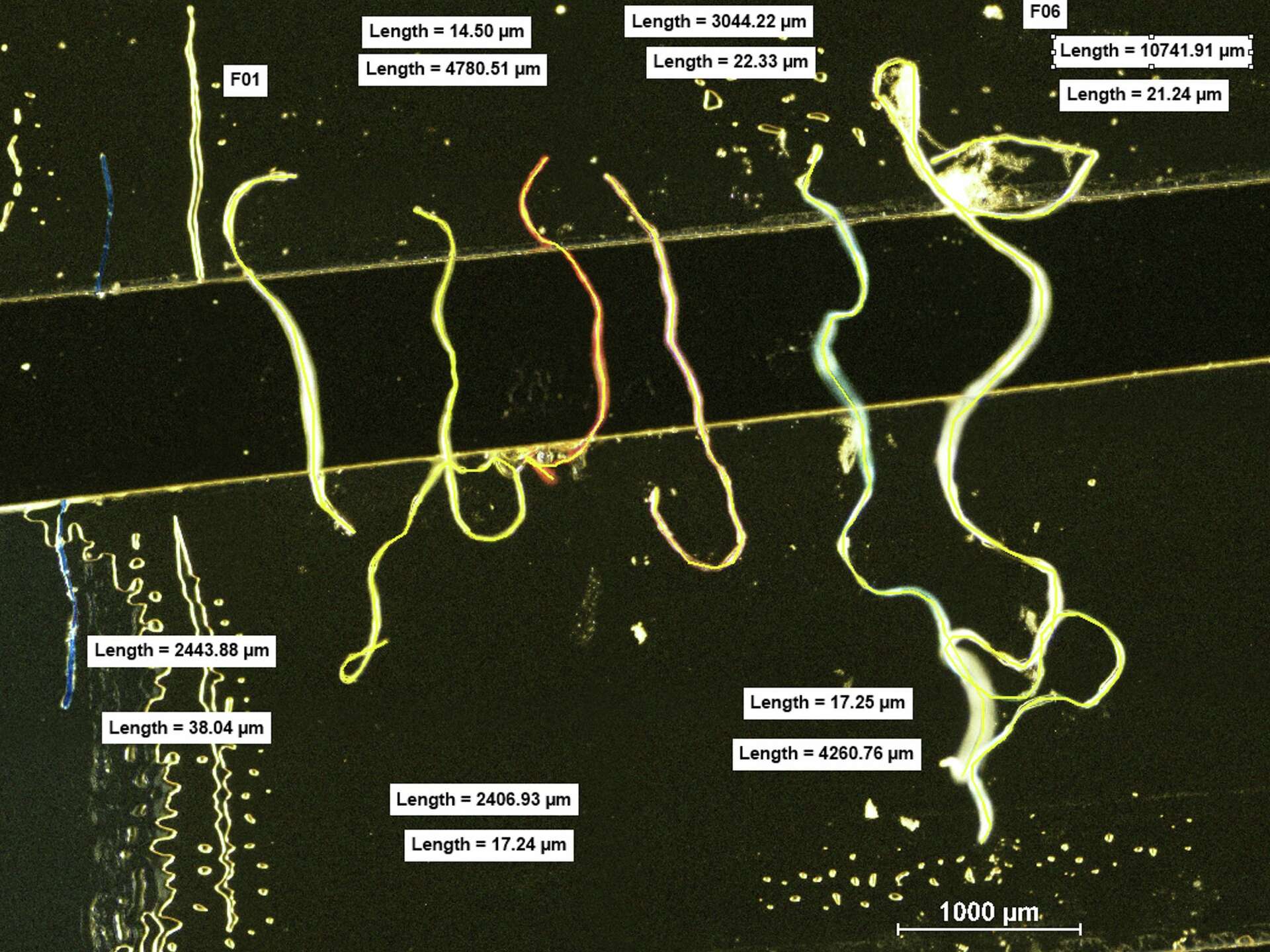
Scientists Diana Lin and Kayli Paterson are running a battery-powered sampler in Millbrae that can work for six to seven days at a time, pulling runoff from watersheds near San Andreas Lake and west of Highway 280 before it reaches San Francisco Bay. The device is built to catch microplastics smaller than the particles studied in earlier Bay work, targeting material thinner than a human hair.
San Francisco Estuary Institute research found the Bay had microplastics at higher levels than any other urban water body measured at the time. The institute’s 2016 Bay study found an average abundance of 700,000 microplastic particles per square kilometer in surface water and found treated wastewater from facilities discharging into the Bay contained considerable contamination.
Urban stormwater runoff, not municipal wastewater, is the major pathway for microplastics into California waters. In the Bay region, stormwater carries hundreds of times more microfibers than wastewater and may deliver trillions of microfibers to the Bay each year. Cars and trucks driving on Bay Area roads are estimated to generate about 15,000 to 18,000 metric tons of tire wear particles annually, and stormwater washes trillions of those tire particles into the Bay.
The institute found a tire-derived chemical, 6PPD-quinone, in Bay Area stormwater at levels lethal to coho salmon, and newer data show steelhead are also sensitive to it. Microfibers are the most common form of microplastics in the environment, and they can carry dyes and plastic additives with potential toxicity concerns.
The latest samples are part of a pilot project supported by BayQuest and Aquarium of the Bay. BayQuest focuses on marine wildlife and endangered habitats in San Francisco Bay. Aquarium of the Bay is marking its 30th anniversary with a conservation mission centered on public education and watershed protection.
The institute’s microplastics work helped drive California’s 2015 microbead ban, the state’s 2021 microplastics strategy and a 2023 regulation on vehicle tire chemical content to protect salmon.
This article was produced by Prism’s automated news system from verified source data, official records, and press releases, then run through automated quality and moderation checks before publishing. The system is built and supervised by the people who set the standards it runs under. Read our full AI policy.
Did this article answer your question?