San Francisco Chinatown case helped establish birthright citizenship in US
San Francisco Chinatown is marking Wong Kim Ark’s legacy as the Supreme Court revisits birthright citizenship, the same right a 1898 case helped secure.
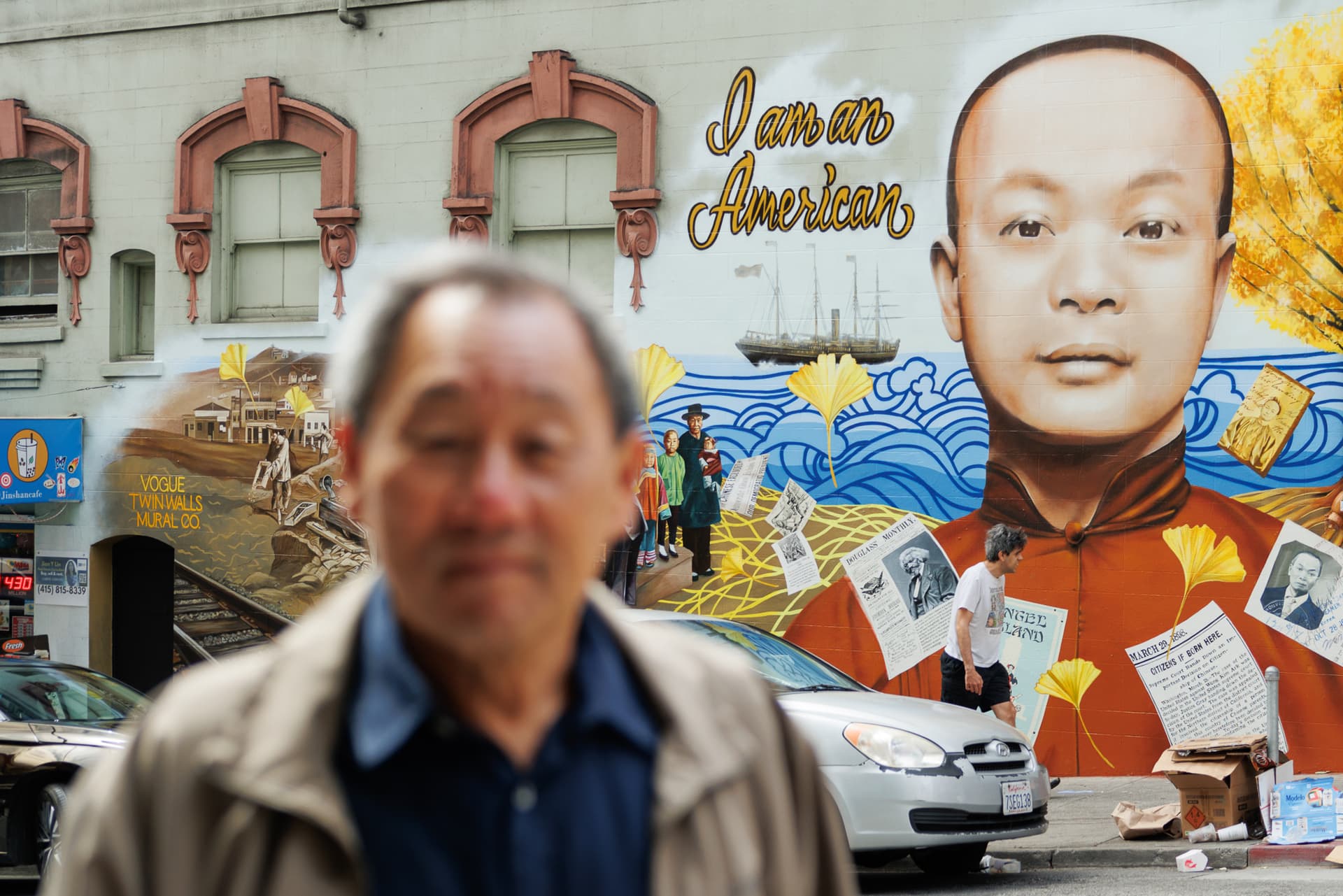
At 701 Grant Avenue at Sacramento Street, San Francisco Chinatown is putting Wong Kim Ark back in public view just as the Supreme Court revisits who gets to be an American from birth. A new mural and plaque dedication announced for June 26, 2026, ties the neighborhood’s history directly to a case that still shapes the lives of immigrant families across the Bay Area.
A Chinatown case that reached the Supreme Court
Wong Kim Ark was born in San Francisco in 1873, the son of Chinese parents who were lawfully resident in the United States. After a temporary trip to China, he was denied reentry in August 1895, turning his life into a constitutional test case. On March 28, 1898, the U.S. Supreme Court decided United States v. Wong Kim Ark by a 6-2 vote and held that a person born in the United States to Chinese parents who were lawful residents is a U.S. citizen.
That ruling did more than resolve one man’s case. It drew a line around birthright citizenship at a moment when Chinese immigrants in San Francisco faced exclusion, discrimination, and hostile arguments in court. The legal fight that began in Chinatown became part of the constitutional fabric of the country, and it is still one of the clearest examples of how local immigrant history can reshape national law.
Why the fight is back now
The modern battle began again when President Donald Trump signed an executive order on January 20, 2025, seeking to deny automatic U.S. citizenship to some children born in the United States if neither parent is a U.S. citizen or lawful permanent resident. Courts have repeatedly blocked implementation of the order as the dispute has moved through the federal system, and the Supreme Court heard oral arguments in Trump v. Barbara on April 1, 2026.
The White House order has put a long-settled principle back under pressure: that birth on U.S. soil, with limited exceptions, confers citizenship. In practical terms, the case is about whether children born in American hospitals begin life with full legal belonging or with a cloud over their status from the moment they are born. That question is especially visible in San Francisco, where immigrant families have long lived with the consequences of changing federal rules and hostile political climates.
The ACLU says ending birthright citizenship would affect hundreds of thousands of families and create a permanent subclass of U.S.-born people denied full rights. That is not an abstract warning for neighborhoods like Chinatown, where family papers, travel history, and legal status have always shaped daily life.
The San Francisco voices carrying the case today
Cecillia Wang, the national legal director of the American Civil Liberties Union, argued the modern case at the Supreme Court. The ACLU says Wang is a second-generation American whose citizenship was made possible by the Immigration and Nationality Act of 1965 and the Fourteenth Amendment, a personal history that gives added weight to her role in defending birthright citizenship now.
Her presence in the case connects the court fight to San Francisco’s own immigrant lineage. The city once produced the legal challenge that forced the Supreme Court to define citizenship for children born to Chinese parents, and today one of the country’s leading civil-rights lawyers is carrying that legacy forward. For Bay Area families, that continuity matters because it shows the issue is not only constitutional theory, but also a lived record of who has been included, excluded, and finally recognized.
Local groups have kept that history alive in Chinatown. Chinese for Affirmative Action and the Chinese Historical Society of America are among the organizations commemorating Wong Kim Ark’s legacy, framing him as a Chinese American civil-rights icon rather than a footnote in legal history. That framing matters in a neighborhood where the fight over belonging has never been distant from the streets themselves.
What the mural and plaque mean for Chinatown
The new mural and plaque dedication at 701 Grant Avenue at Sacramento Street gives the history a physical anchor at the site of Wong Kim Ark’s birth. In a neighborhood where public memory is often carried on storefronts, street corners, and temple walls, the installation does more than honor one man. It marks a place where the meaning of American citizenship was fought over, and where Chinese San Franciscans helped expand the Constitution’s reach.
That local marker lands in the middle of the country’s 250th-anniversary reflection, when the national story is being retold and debated at once. San Francisco’s place in that story is not just that the city hosted the case. It is that Chinese immigrants here faced exclusion, made constitutional arguments through their own lives, and helped establish a principle that still protects children born in the United States today.
Wong Kim Ark’s legacy endures because the question at the center of his case has never fully gone away. As the Supreme Court weighs a new attempt to narrow birthright citizenship, Chinatown is reminding the country that one of its defining constitutional victories was won on San Francisco ground.
This article was produced by Prism’s automated news system from verified source data, official records, and press releases, then run through automated quality and moderation checks before publishing. The system is built and supervised by the people who set the standards it runs under. Read our full AI policy.
Did this article answer your question?