San Francisco eyes stricter rules after Lombard Tesla charger complaints
A 24-hour Tesla Supercharger at 1965 Lombard St. has brought bass, blocked garages and traffic snarls to Cow Hollow, pushing San Francisco toward tighter rules.
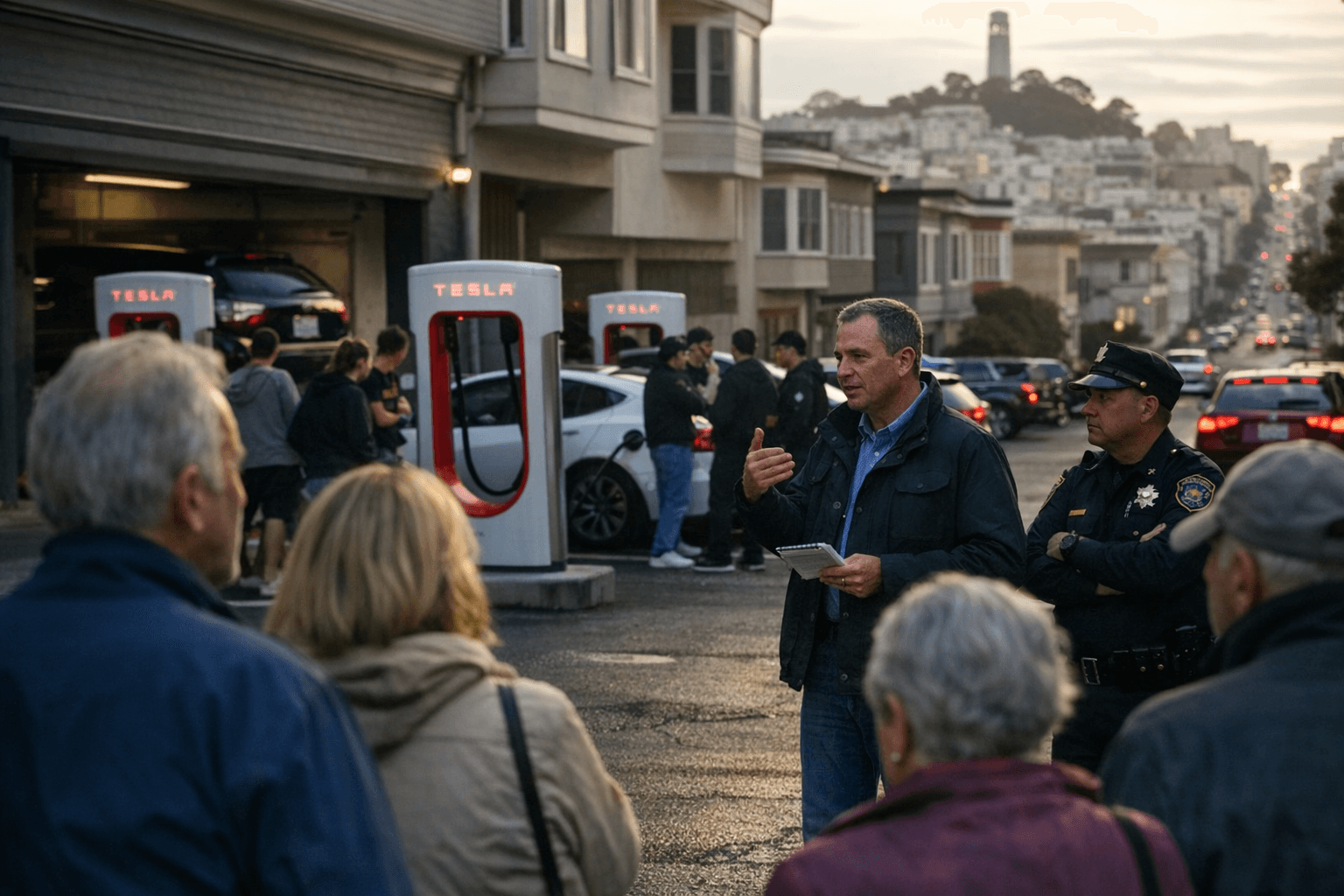
A Tesla Supercharger lot on Lombard Street has turned a quiet Cow Hollow block into a test case for what happens when charging infrastructure arrives faster than the rules meant to control it. Neighbors near 1965 Lombard St., once part of the Hotel Del Sol parking lot, say the 16-stall, unmanned site has brought late-night bass, blocked garage entrances, traffic backing up into the Moulton Street alley and, in one of the neighborhood’s most jarring complaints, drivers urinating on nearby buildings while they wait to charge.
City officials have begun responding on the ground. In early March, San Francisco installed a chain-link gate on the Moulton Street side of the lot to force cars to enter from Lombard Street, where traffic is easier to manage than on the narrow residential alley. Tesla has also added road markings, changed app routing, posted signs asking drivers to respect neighbors and said it plans to add a security camera. So far, residents and city officials say those fixes have not solved the core problem.
District 2 Supervisor Stephen Sherrill, whose district includes Cow Hollow, said he met with Tesla representatives and pulled together city departments to address the complaints. His communications director, Jack Hebb, said residents were “hesitantly optimistic” about the changes. But the scene around the lot suggests a larger issue: the city allowed a 24-hour charging hub to open in the middle of a dense neighborhood before it had a clear playbook for traffic flow, queuing and neighborhood protections.
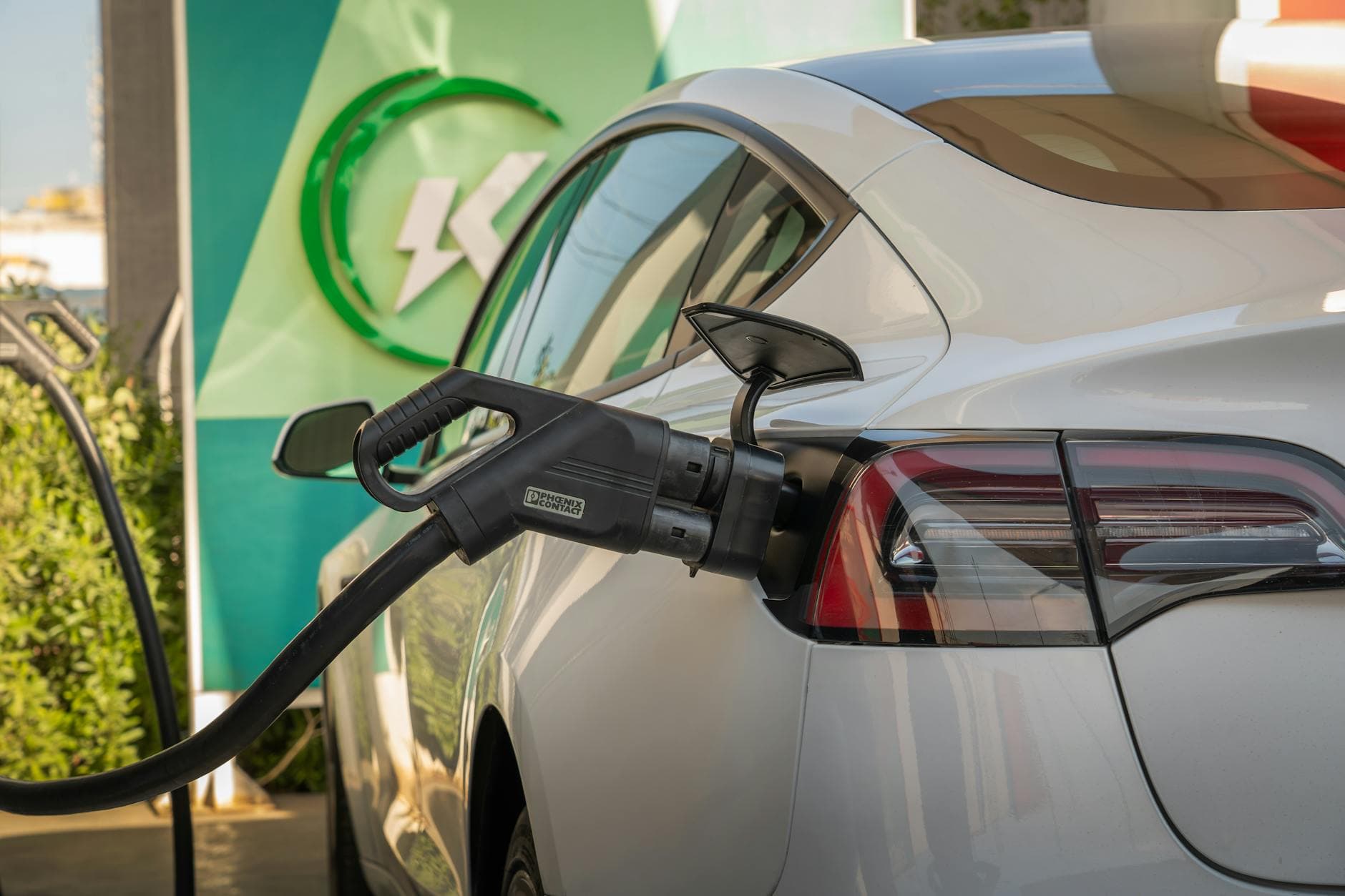
That is now driving a broader policy push in City Hall. On March 10, Mayor Daniel Lurie and Board of Supervisors President Rafael Mandelman introduced legislation to create San Francisco’s first curbside EV charging program and establish a permitting path for chargers on city curbs, especially for renters and apartment dwellers without off-street parking. The move builds on a curbside charging pilot launched in 2024 and a January 14, 2025 federal grant announcement that brought San Francisco $15 million to expand public charging, with plans for up to 300 new chargers citywide, including 270 Level 2 chargers and 30 DC fast chargers.
City building guidance already says EV charging installations must comply with San Francisco code and permit requirements. The Lombard Street dispute is now showing why that matters: in a city where more chargers are coming, officials are trying to make sure the next one does not turn another neighborhood block into a 24-hour traffic problem.
This article was produced by Prism’s automated news system from verified source data, official records, and press releases, then run through automated quality and moderation checks before publishing. The system is built and supervised by the people who set the standards it runs under. Read our full AI policy.
Did this article answer your question?