San Francisco libraries turn into free clothing repair hubs
At Parkside, San Franciscans brought one worn garment each to a free repair clinic that helped them save money, keep clothes in use and cut textile waste.

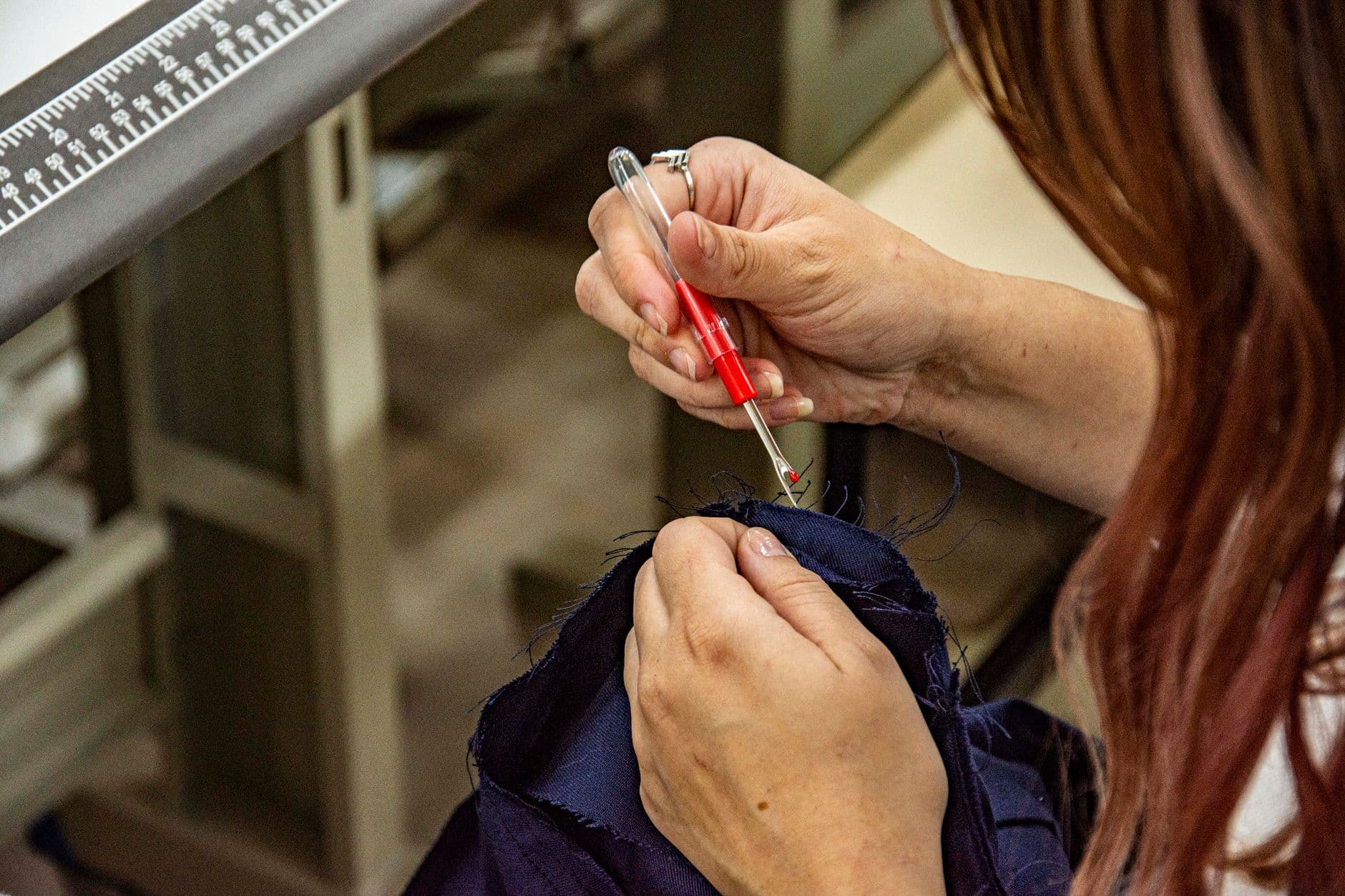
At the Parkside branch, the line on a recent Saturday was for a different kind of checkout: residents came with fraying cuffs, torn seams and favorite shirts they could not afford to replace. Instead of dropping clothes in the trash, they handed them to repair coaches and walked away with a longer life for garments they still wanted to wear.
The free clothing repair clinics are part of a growing city service run by the San Francisco Public Library, the San Francisco Environment Department, SCRAP and Bay Area Bike Mobile. The program began in 2023 and has since spread through the library system, with 39 repair clinics funded across 24 branches and 587 bikes restored alongside 538 items of clothing or textiles repaired. The 2026 schedule added 21 new clothing and bike repair clinics, reflecting four years of rising demand.

The clinics are built to be simple and accessible. No appointment is required, the events are first come, first served, and each person can bring one clothing item. Repairs are limited to minor fixes, not alterations or complex work, and every participant is paired with a SCRAP repair coach while materials are provided. At the library, that makes the service useful for people who do not have time, tools or money for a tailor, but still want to rescue a jacket, shirt or pair of pants that matters.
The city says the need is bigger than any single branch. San Franciscans send 4,500 pounds of textiles to landfill every hour, and about 39 million pounds of textiles enter the city’s waste stream each year. Most of that material could be reused or recycled. The U.S. Environmental Protection Agency says discarded clothing is the main source of textiles in municipal solid waste, while the U.S. Government Accountability Office has noted that fast fashion adds to the problem and sends much of it to landfills.
For libraries, the clinics have become more than a sustainability program. They are a neighborhood service that teaches a practical skill, keeps useful clothing in circulation and turns branch buildings into places where residents can solve everyday problems close to home. SCRAP, founded in San Francisco in 1976 by Anne Marie Theilen and Ruth Asawa, brings a reuse ethic that fits the moment: repair what you can, waste less and make the fix available to anyone who walks through the door.
This article was produced by Prism’s automated news system from verified source data, official records, and press releases, then run through automated quality and moderation checks before publishing. The system is built and supervised by the people who set the standards it runs under. Read our full AI policy.
Did this article answer your question?