San Francisco man regains voice with experimental brain implant in ALS trial
A San Francisco man with ALS spoke again through a brain implant that decoded his thoughts with up to 97% accuracy and even gave his voice back.
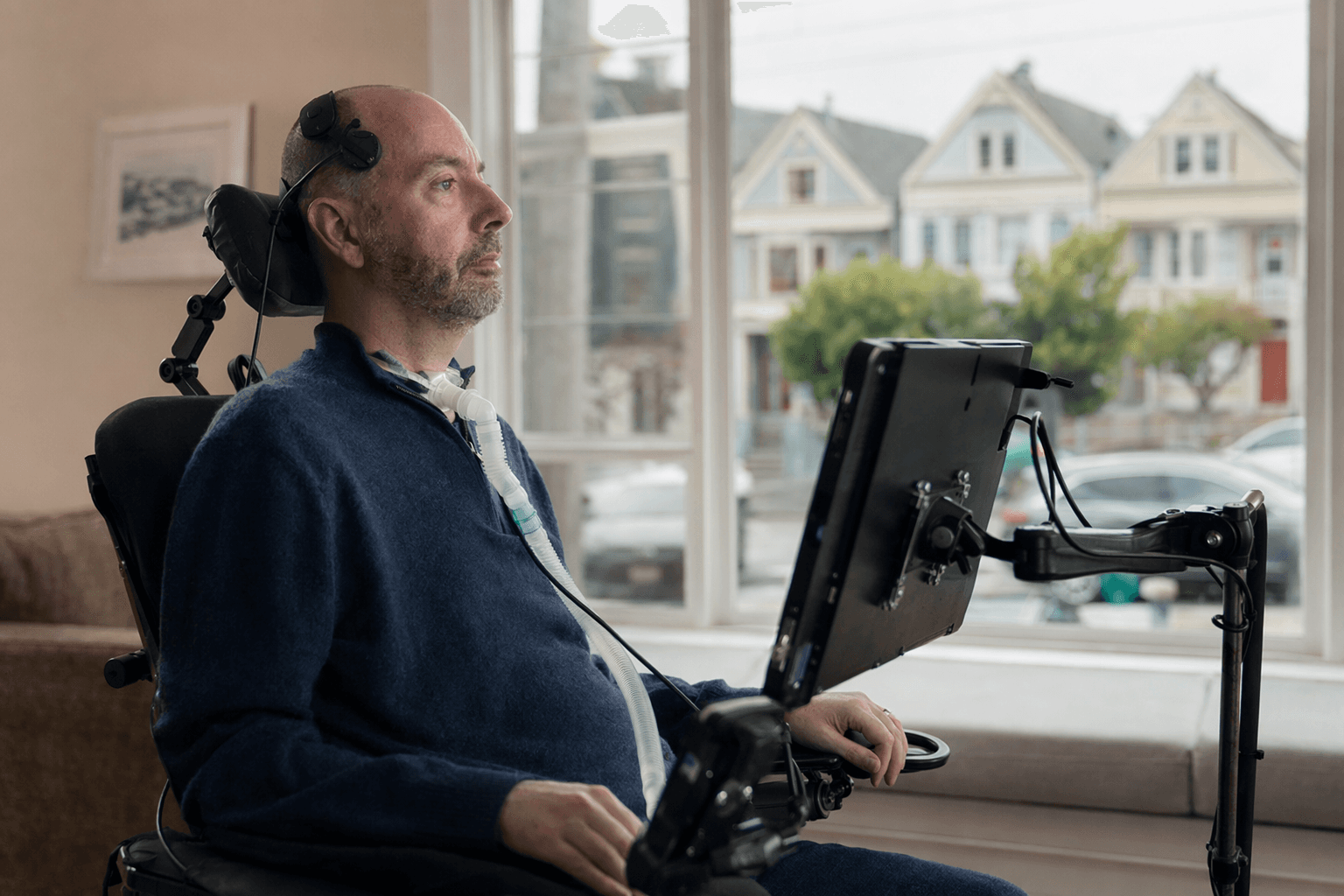
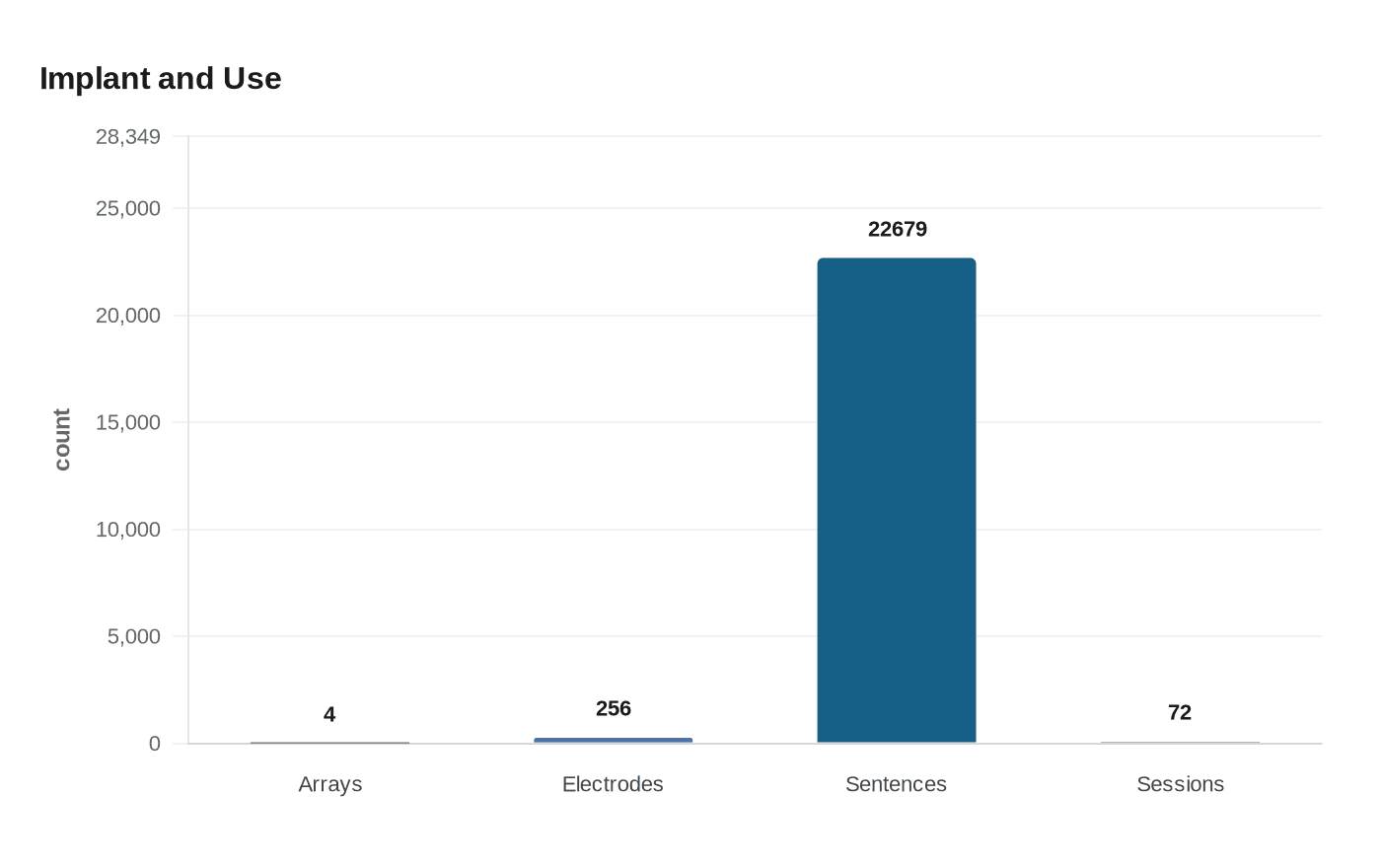
Casey Harrell, a San Francisco man who lost his voice to ALS, regained it through an experimental brain implant that translated his attempted speech in near real time. Surgeons at UC Davis Health placed four microelectrode arrays in his left precentral gyrus in July 2023, a speech-related area of the brain, and the system recorded from 256 cortical electrodes. UC Davis said the device reached up to 97% accuracy and let Harrell communicate intended speech within minutes of activation.
Harrell was 45 when he enrolled in the BrainGate clinical trial and was living with ALS-related tetraparesis, along with severe dysarthria that made his speech very hard to understand. In the research literature, he was identified as T-15. His case became the test bed for a brain-to-voice system that researchers at UC Davis and Brown University described as the most accurate speech neuroprosthesis ever reported.
The emotional impact was immediate. Brown University said the first moments of restored communication brought tears to Harrell and his family. In a Nature paper published June 12, 2025, researchers reported an instantaneous voice-synthesis neuroprosthesis that used closed-loop audio feedback to synthesize Harrell’s voice in real time. The system also decoded paralinguistic features such as intonation and allowed him to sing short melodies, giving the synthesized speech a more natural and expressive feel.
The study also tackled one of the biggest technical barriers in speech restoration: training a decoder without ground-truth speech. By using neural activity from the implanted electrodes, the researchers built a system that could follow what Harrell meant to say rather than forcing him to rely on slow text selection. Blackrock Neurotech said Harrell communicated 22,679 sentences over 72 sessions across 8.4 months, showing that the system could sustain accuracy over time, not just in a one-time demonstration.
For Bay Area families facing ALS, the promise is real but still limited. Harrell’s breakthrough came through a clinical trial at UC Davis Health, not a treatment available in everyday care. The work builds on earlier speech neuroprosthesis advances from 2023 and 2024, and it shows how much further the field must go before a laboratory milestone becomes something patients can actually access.
Harrell’s earlier life as an environmental activist and public speaker gave the result added force. For a man known for using his voice in public, the implant turned a scientific achievement into something deeply personal, and pointed toward a future where speech loss may no longer mean permanent silence.
This article was produced by Prism’s automated news system from verified source data, official records, and press releases, then run through automated quality and moderation checks before publishing. The system is built and supervised by the people who set the standards it runs under. Read our full AI policy.
Did this article answer your question?