San Francisco nears borrowing limit, complicating major infrastructure plans
San Francisco is nearing its borrowing cap, a squeeze that could force City Hall to choose between street repairs, transit upgrades, housing and quake-safety work.
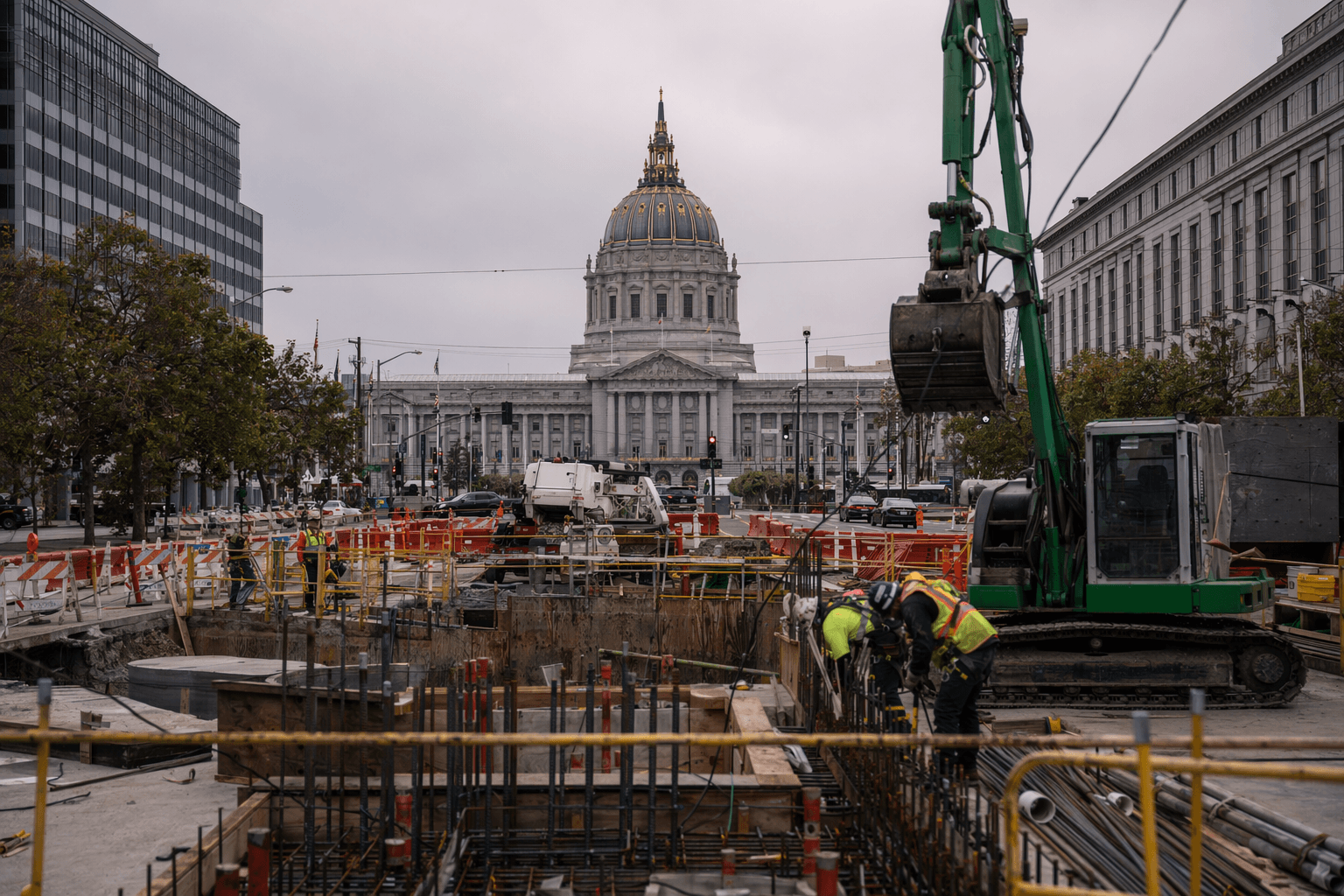
San Francisco is running out of room to borrow just as residents still expect the city to keep streets passable, transit functional and aging public buildings safe. City Hall has nearly used up the debt it can safely take on, which means the next major repair bill may be harder to finance than officials would like.
That matters because the city’s needs are not getting smaller. Streets, buildings, transit systems and public facilities all require long-range investment, and many of those projects depend on bond financing or similar debt. If borrowing headroom keeps tightening, major plans can slow down, be scaled back or get pushed into future budgets that are already under strain.
The constraint also changes the politics of infrastructure. When the city has room to borrow, officials can spread costs over time and move ahead on large capital projects. When borrowing capacity is limited, that flexibility disappears. City Hall will have to decide which projects matter most, which neighborhoods or departments get priority and whether some repairs or expansions should wait. That could force tougher choices between street repairs, transit upgrades, housing-related work and earthquake-safety projects.
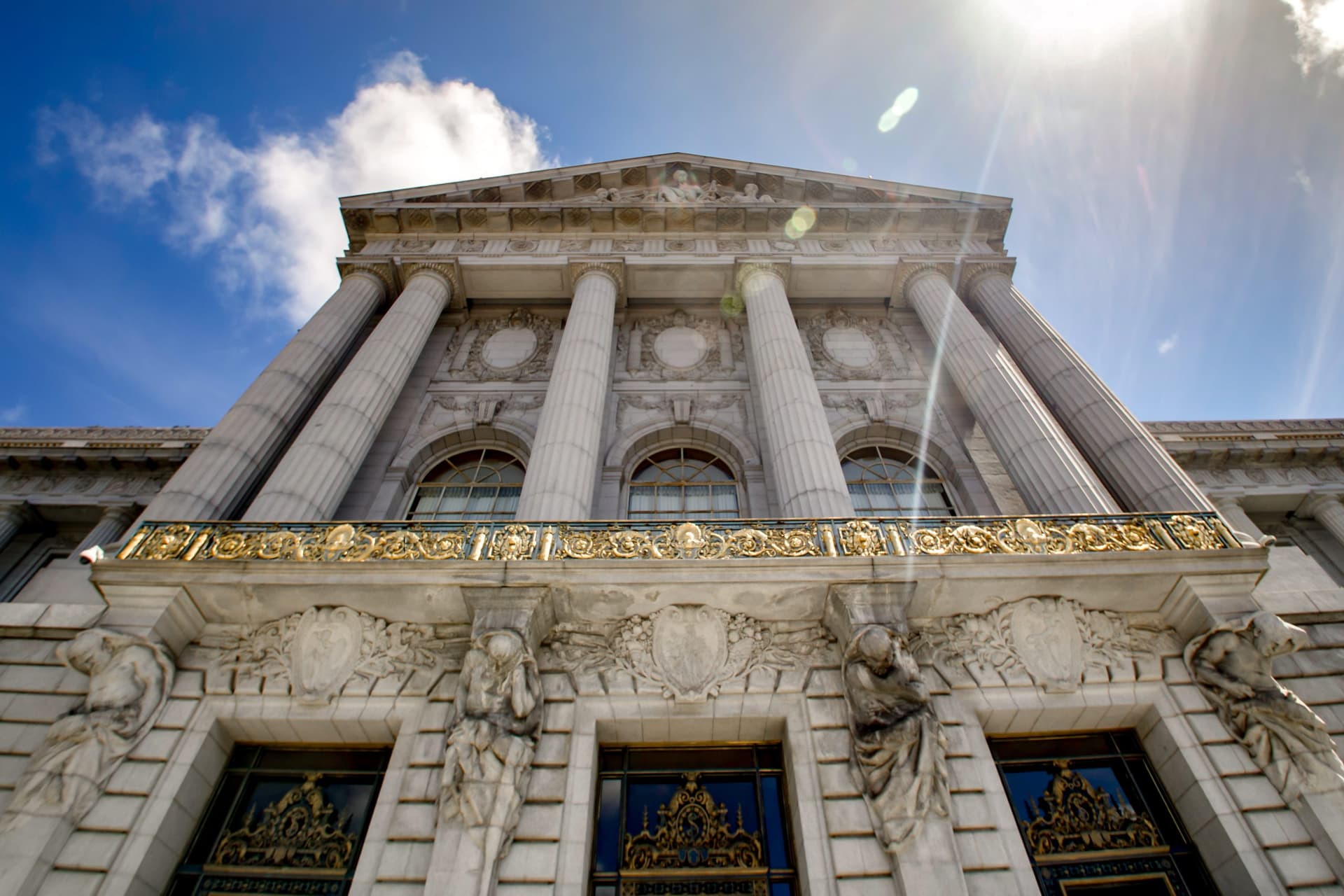
For residents, the warning is concrete. Deferred maintenance does not disappear because the city wants to borrow less, and public complaints about aging infrastructure tend to rise when repairs are delayed. A tighter debt limit means San Francisco may have to do more triage, choosing where limited borrowing goes and what gets postponed, even as everyday demands on the system continue.

The larger lesson is that financial capacity is itself a civic resource. A city can be wealthy and still hit a wall if it has borrowed close to its limit. For San Francisco, that leaves fewer easy answers and a narrower set of choices at exactly the moment when the city’s public ambitions still depend on big-ticket investments.
This article was produced by Prism’s automated news system from verified source data, official records, and press releases, then run through automated quality and moderation checks before publishing. The system is built and supervised by the people who set the standards it runs under. Read our full AI policy.
Did this article answer your question?