San Francisco Pride House welcomes World Cup fans, athletes, allies
Pride House is turning the World Cup into a queer gathering spot in San Francisco, even as advocates warn city cuts could hit HIV and trans services.
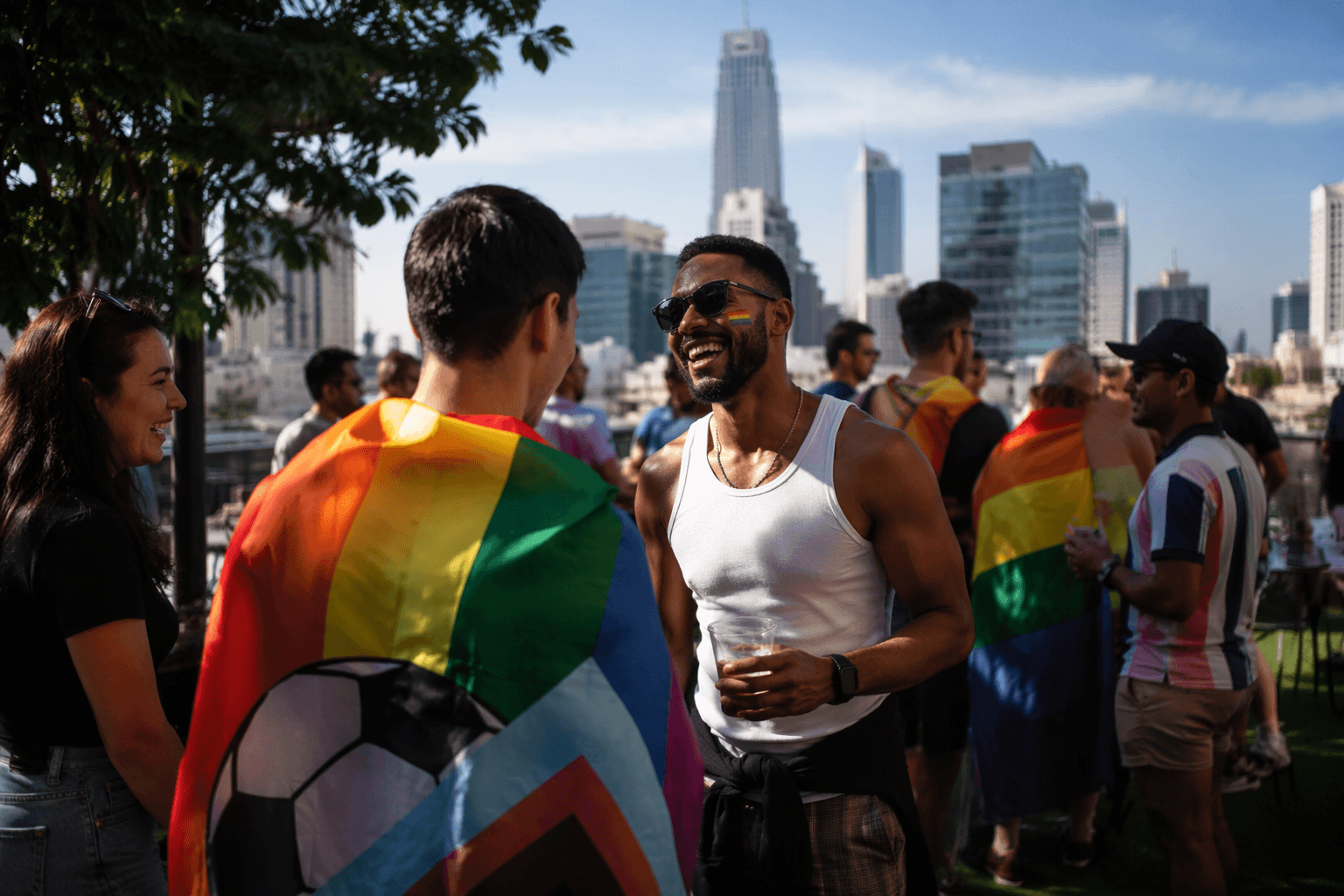
At San Francisco’s Pride House, the World Cup is being framed as more than a soccer spectacle. Organizers are planning watch parties and a block party for athletes, fans and allies, trying to give queer visitors a safe place to gather while tying the tournament to the city’s long activist history.
Nick Ward, Pride House’s director of programming, says the goal is to make sure queer people are seen, welcomed and included in the World Cup experience. Pride House is also aiming to pair celebration with context, offering what organizers describe as a history lesson alongside a place to watch the matches. That approach fits Pride House International’s broader mission, which traces the first Pride House to the 2010 Winter Olympics in Vancouver and Whistler and describes these spaces as places to watch competition, learn about LGBTQ sport and homophobia in sport, and build relationships with mainstream athletics.
The local stakes are substantial. FIFA says the San Francisco Bay Area will host six matches in 2026, including five group-stage games and one Round of 32 match. The first Bay Area match is scheduled for June 13, 2026, and the knockout match is set for July 2, 2026. FIFA says the tournament will be the first 48-team World Cup, and San Francisco Travel says the city will have free, public celebrations and watch parties starting June 11.
San Francisco’s sports history gives the effort extra weight. FIFA points to the Bay Area’s past as a host for the 1984 Olympics, the 1994 FIFA World Cup and the 1999 FIFA Women’s World Cup. The Bay Area host committee has also highlighted the region’s soccer roots stretching back to the 1994 and 1999 tournaments. Pride House is trying to insert queer visibility into that legacy, making sure the city’s global image includes not just stadium crowds, but LGBTQ residents and visitors who want to be safe, recognized and part of the moment.
The question, though, is whether a global sports influx will leave anything lasting for queer San Franciscans once the celebrations end. That issue was already visible at City Hall on June 5, when about 30 protesters interrupted Mayor Daniel Lurie’s Pride remarks to warn that proposed budget cuts of about $17 million could affect HIV prevention, trans care and youth case management. In that context, Pride House reads as both a welcome mat and a reminder that visibility alone is not enough. For San Francisco’s LGBTQ community, the measure of success will be whether the welcome extends beyond the tournament and into everyday city support.
This article was produced by Prism’s automated news system from verified source data, official records, and press releases, then run through automated quality and moderation checks before publishing. The system is built and supervised by the people who set the standards it runs under. Read our full AI policy.
Did this article answer your question?