San Francisco Pride returns June 27-28 with Resistance in Action theme
Pride returns downtown June 27-28 with a free Civic Center celebration, a 10:30 a.m. Market Street parade and a Saturday Trans Ally Rally.
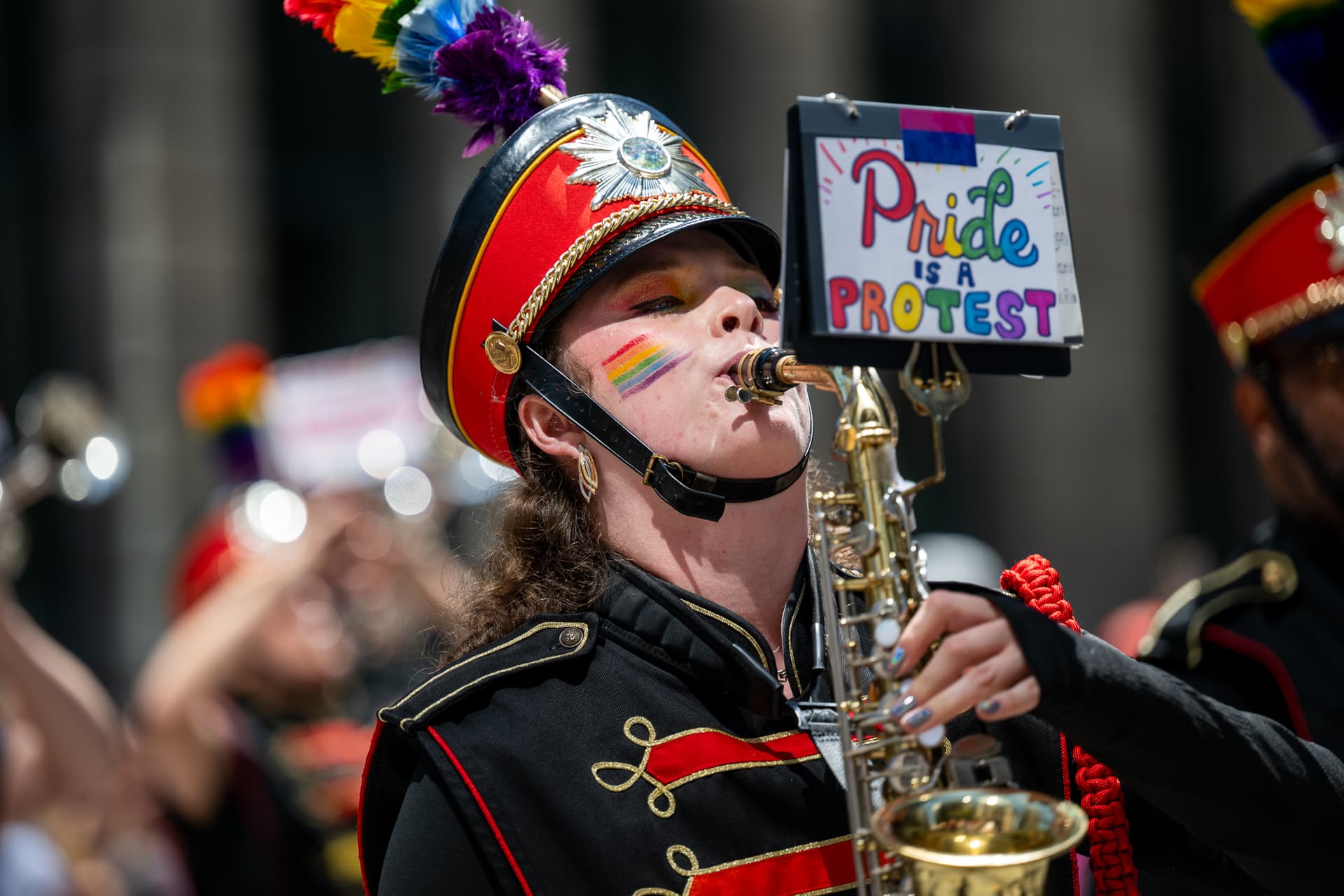
Pride is back downtown with a weekend built for both celebration and strategy: June 27-28 will turn Civic Center and Market Street into the city’s biggest queer gathering, with Resistance in Action as the guiding theme. After a difficult fundraising year, executive director Suzanne Ford says the message is simple, Pride will happen, and the free street fair, music and celebration belong to the city. The weekend also lands at a politically charged moment, as organizers are centering support for trans and nonbinary people while national policy fights continue to target LGBTQ+ communities.
What is happening and when
San Francisco Pride 2026 is the 56th annual SF Pride Parade, and the official celebration runs Saturday, June 27, and Sunday, June 28, at Civic Center Plaza. San Francisco Pride says the festival is free, while the FAQ notes a suggested $5 to $10 donation at the celebration entry gates to help cover production costs and support nonprofit community partners. The celebration runs 11 a.m. to 6 p.m. both days and includes five community stages plus the main stage, making Civic Center a full-day destination rather than a quick march-and-go stop.
Sunday’s main stage is the headline draw for many attendees. It will be hosted by Honey Mahogany and Sister Roma and is set to feature Kamaiyah, Aly & AJ, Oakland to All and other performers, which means the stage programming will pull a steady crowd into the Civic Center area well after the parade starts. For residents and workers downtown, that matters as much as it does for ticketless spectators, because the parade finish and celebration both anchor the same core blocks around Market Street and Civic Center Plaza.
Saturday starts with the Trans Ally Rally
Before the parade crowds hit full force, Saturday morning brings a separate downtown march: the Trans Ally Rally, organized by Indivisible SF with SF Pride partners and Dykes on Bikes. It is scheduled for Saturday, June 27, from 10 a.m. to 12:30 p.m., starting at Embarcadero Plaza and ending at Civic Center Plaza. That adds a second layer of foot traffic through the Embarcadero-to-Market corridor and underscores the weekend’s political tone, especially for San Franciscans showing solidarity with trans loved ones.
Sunday is the biggest downtown pinch point
The parade itself begins Sunday, June 28, at 10:30 a.m. from Beale and Market streets and travels about 1.6 miles directly up Market Street to Civic Center Plaza. Downtown SF says the main grandstands are on Market Street near Civic Center, which makes that stretch the most important viewing zone and the hardest area for drivers, rideshares and casual cross-town movement. If you are not going, expect the blocks nearest the route to feel crowded long before the first contingents arrive, and plan on slower walking, longer crossing times and a lot of curbside congestion.
The city’s own Pride transit page is blunt about the smartest way in: take transit. BART says Civic Center/UN Plaza is one block from the celebration, and Pride notes that downtown stations provide easy access to the parade route. Multiple Muni lines serve the area, including the 5, 6, 7, 9, 19, 21, 47, 49 and F-Market, with the historic streetcar line running along the parade route. The official transit guidance also recommends using Clipper or MuniMobile, avoiding cash, arriving early, and being ready for heavy crowds, with parking extremely limited and Market Street from Embarcadero to Civic Center closed for the parade on Sunday, along with numerous cross streets.
Why the theme hits harder this year
Resistance in Action is not just a slogan for banners and stage backdrops. KQED reports that Ford framed the theme as a call for allies to show up for trans people, and the outlet notes that Pride arrives as LGBTQ+ organizations continue pushing back against Trump administration policies aimed at transgender and nonbinary people. That makes the weekend feel like more than a cultural festival, especially for San Franciscans who know Pride has always been part celebration and part public defense of community dignity.
Pride’s roots still shape the city
San Francisco’s Pride story starts far from today’s grandstands. The GLBT Historical Society says the city’s first Pride celebration was on June 27, 1970, when a small group marched down Polk Street and followed it with a gay-in in Golden Gate Park. OpenSFHistory says the first official Pride parade, Christopher Street West, took place on June 25, 1972, when about 2,000 people marched from Montgomery Street to Civic Center and about 15,000 spectators watched.
That growth changed the scale, but not the meaning. The GLBT Historical Society says Pride now welcomes hundreds of thousands of participants and spectators from around the world, and its history makes clear why the event still matters as a civic demonstration of visibility, rights and solidarity. For San Francisco County, Pride weekend is not just another downtown event. It is one of the few times the city’s political history, transit system, public space and queer community all collide in the same blocks, at the same hour, in plain view.
This article was produced by Prism’s automated news system from verified source data, official records, and press releases, then run through automated quality and moderation checks before publishing. The system is built and supervised by the people who set the standards it runs under. Read our full AI policy.
Did this article answer your question?